Should You Get a Personal Loan? Pros, Cons, and Key Considerations
Understand the advantages and disadvantages of personal loans to make an informed financial decision.

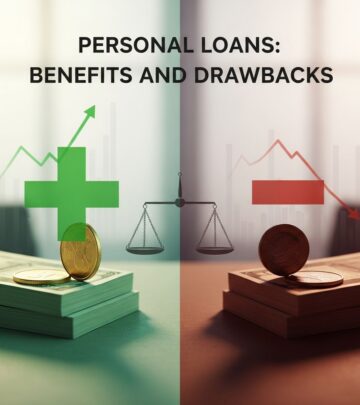
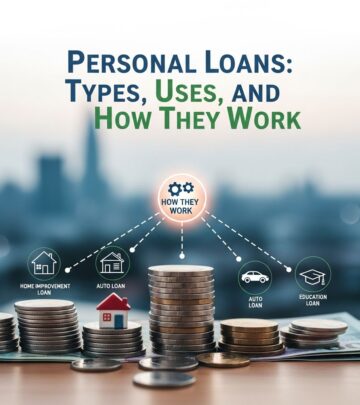
Personal loans can be a valuable financial tool when you need cash quickly, but they’re not the right choice for everyone. Understanding the pros and cons of personal loans is essential before you commit to borrowing. This comprehensive guide will help you determine whether a personal loan aligns with your financial goals and circumstances.
What Is a Personal Loan?
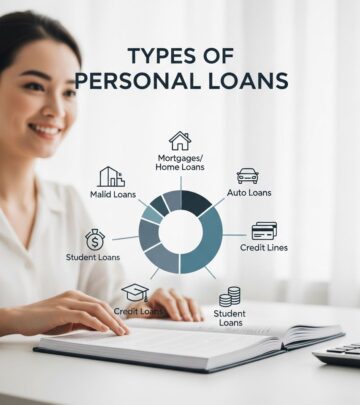
A personal loan is an unsecured installment loan that provides you with a lump sum of money that you repay over a fixed period, typically ranging from two to seven years. Unlike secured loans such as home equity loans or auto loans, personal loans do not require collateral. Instead, lenders evaluate your creditworthiness based on your credit score, income, and debt-to-income (DTI) ratio to determine your eligibility and interest rate.
Personal loans offer flexibility in how you use the funds. You can borrow anywhere from a few thousand dollars to $100,000 from many lenders, making them suitable for various financial needs. However, some restrictions apply—personal loan funds generally cannot be used for college tuition, post-secondary education expenses, investing, or anything illegal.
The Pros of Getting a Personal Loan
Lower Interest Rates Than Credit Cards
One of the most significant advantages of personal loans is their competitive interest rates. As of January 2026, the average personal loan rate is 12.20%, while the average credit card rate is 19.65%. This substantial difference can result in considerable savings over time. Borrowers with excellent credit may qualify for rates under 10%, making personal loans an economical choice for managing debt.
Debt Consolidation Benefits
Personal loans are an effective tool for consolidating high-interest debt, particularly credit card balances. By combining multiple debts into a single personal loan with a lower interest rate, you can simplify your finances and potentially save thousands in interest charges. This strategy works best if you commit to not accumulating additional credit card debt after consolidation.
Fast Funding and Convenience
Personal loans offer quick access to cash. Many lenders can deposit funds into your account within days, making them ideal for emergencies or time-sensitive expenses. The high loan limits available through personal loans provide greater borrowing power than most credit cards allow, giving you flexibility to fund major projects or life events.
Predictable Monthly Payments
Personal loans feature fixed interest rates and set repayment terms, resulting in predictable monthly payments. This consistency makes budgeting easier and allows you to plan financially with confidence. You’ll know exactly how much you need to pay each month and when your loan will be fully repaid.
Flexible Use of Funds
Personal loans offer significant flexibility regarding how you use the money. Whether you need funds for home renovations, medical expenses, wedding costs, or any other purpose (excluding restricted categories), personal loans accommodate diverse financial needs. This freedom makes them more versatile than many specialized loan types.
No Collateral Required
Because personal loans are unsecured, you don’t need to pledge personal assets like your home or vehicle. This eliminates the risk of losing collateral if you encounter financial difficulties, making personal loans a less risky borrowing option for many people.
Build Credit Through On-Time Payments
Making on-time payments on a personal loan can positively impact your credit score. This benefit allows you to improve your creditworthiness while borrowing the money you need, creating a win-win situation for your financial profile.
The Cons of Getting a Personal Loan
Higher Interest Rates Than Secured Loans
While personal loans offer lower rates than credit cards, they typically carry higher interest rates than secured loans such as home equity loans or home equity lines of credit (HELOCs). This difference exists because lenders take on greater risk with unsecured loans. Interest rates on personal loans can range from less than 6% to 36% or higher, depending on your creditworthiness and the lender.
Fees and Penalties
Many personal loans come with additional fees beyond interest charges. These may include origination fees, administrative fees, and early payoff penalties. Some lenders charge origination fees ranging from 1% to 10% of the loan amount, which can significantly increase your borrowing costs. Always review the fine print to understand all associated fees before committing to a loan.
Increased Debt-to-Income Ratio
Taking out a personal loan increases your DTI, which can make it difficult to qualify for future financing such as mortgages or auto loans. Many lenders set a maximum payment period of five years, which could result in a monthly payment that substantially increases your DTI ratio. A high DTI may prevent you from accessing credit at competitive interest rates.
Rigid Repayment Schedule
Once you select your loan amount and repayment term, you’re locked into that payment until the repayment period ends. While fixed payments are generally beneficial for budgeting, this rigidity can become burdensome if your financial situation changes. If your income decreases or unexpected expenses arise, you cannot adjust your monthly payment without refinancing.
Risk of Increased Debt
Personal loans are not solutions to overspending problems. If you consolidate credit card debt but continue accumulating new credit card balances, you’ll end up with more total debt than before. This can create a difficult-to-escape cycle of debt accumulation and financial stress.
Impact on Credit Score
Applying for a personal loan involves a hard credit inquiry, which temporarily lowers your credit score. Additionally, missed payments or defaults on personal loans significantly damage your credit profile, making future borrowing more difficult and expensive. This makes it crucial that you only borrow what you can realistically repay.
Limited Continual Borrowing
Personal loans provide a one-time lump sum. If you need additional funds beyond your initial loan amount, you must apply for another loan or seek alternative funding sources. This lack of revolving credit flexibility differs from credit cards, which allow you to borrow up to your credit limit repeatedly.
Comparing Personal Loans to Other Borrowing Options
| Borrowing Option | Average Interest Rate (January 2026) | Collateral Required | Use Restrictions | Payment Flexibility |
|---|---|---|---|---|
| Personal Loan | 12.20% | No | Limited | Fixed |
| Credit Card | 19.65% | No | None | Flexible |
| Home Equity Loan | 6-10% | Yes (Home) | None | Fixed |
| Home Equity Line of Credit (HELOC) | 7-12% | Yes (Home) | None | Flexible |
When Should You Get a Personal Loan?
Debt Consolidation
If you’re carrying multiple high-interest credit card balances, a personal loan can be an excellent way to consolidate this debt into a single, lower-interest payment. This approach works best if you have good or excellent credit to qualify for competitive rates.
Emergency Expenses
Personal loans provide quick access to cash for unexpected emergencies such as medical bills, urgent home repairs, or vehicle maintenance. Their rapid funding timeline makes them ideal when you need money quickly.
Home Improvement Projects
If you’re planning a home renovation that will increase your property’s value, a personal loan can provide the necessary funds. The improved home equity may offset the interest costs of the loan.
Major Life Events
Personal loans can fund significant life events like weddings or educational expenses (with some limitations). However, consider whether borrowing for discretionary purchases aligns with your long-term financial goals.
When Should You Avoid a Personal Loan?
- Poor credit score: If your credit is fair or poor, you may face double-digit or credit card-like APRs, making the loan expensive and potentially unfavorable compared to alternatives.
- Unpredictable income: If your income fluctuates significantly, the rigid repayment schedule may become unmanageable.
- Insufficient budget: If you don’t have room in your budget to comfortably afford monthly payments, a personal loan could damage your credit and create financial stress.
- Recreational purchases: Borrowing for non-essential items like vacations or hobby equipment is generally not recommended.
- Already high debt: If your DTI is already elevated, adding a personal loan could further limit your borrowing capacity for critical needs.
How to Determine if a Personal Loan Is Right for You
Before applying for a personal loan, ask yourself these critical questions:
- Do I have stable income to support monthly payments?
- Is my credit score in good standing (670 or higher)?
- Have I exhausted other borrowing options with lower rates?
- Is the loan amount necessary, or could I save the money instead?
- Have I reviewed all fees and penalties associated with the loan?
- Will this loan help me achieve a specific financial goal?
- Can I afford the monthly payment without straining my budget?
If you answer yes to most of these questions, a personal loan may be appropriate. If you have concerns about several items, consider delaying your application or exploring alternative options.
Tips for Getting the Best Personal Loan Terms
- Improve your credit score: Before applying, work on raising your credit score to qualify for the lowest available rates.
- Compare lenders: Shop around and compare offers from multiple lenders to find the most competitive rates and terms.
- Consider a shorter repayment term: Choosing the shortest repayment term you can afford reduces total interest paid, as interest has less time to accumulate.
- Apply with a co-applicant: If your credit is fair or poor, applying with someone who has excellent credit can help you qualify for better rates.
- Review all fees: Calculate the total cost of the loan, including all fees and interest, before committing.
- Avoid unnecessary borrowing: Borrow only what you need to avoid taking on excess debt.
Frequently Asked Questions (FAQs)
Q: What credit score do I need to qualify for a personal loan?
A: Credit score requirements vary by lender, but most prefer a score of 620 or higher. However, borrowers with scores of 670 or higher typically qualify for the most competitive rates.
Q: Can I pay off a personal loan early?
A: Many lenders allow early repayment, but some charge prepayment penalties. Review your loan agreement to understand any penalties associated with early payoff.
Q: How long does it take to receive personal loan funds?
A: Most lenders deposit funds within 1-3 business days, though some offer same-day or next-day funding.
Q: Will a personal loan affect my credit score?
A: A hard credit inquiry when applying temporarily lowers your score. However, on-time payments can help rebuild your credit over time, and a healthy credit mix improves your score long-term.
Q: Can I use a personal loan for anything?
A: Personal loans have some restrictions. You typically cannot use them for college tuition, post-secondary education, investing, or illegal purposes.
Q: What’s the difference between a secured and unsecured personal loan?
A: Unsecured personal loans (most common) don’t require collateral, while secured personal loans require you to pledge an asset. Secured loans typically offer lower rates but risk losing your collateral if you default.
The Bottom Line
Personal loans can be valuable financial tools for the right situation. If you have stable income, good credit, and a specific financial goal, a personal loan may help you access cash quickly at a reasonable interest rate. However, if your credit needs improvement, your income is unpredictable, or you’re struggling with overspending, alternative approaches such as budgeting and saving may be more appropriate.
Before committing to a personal loan, thoroughly compare interest rates and terms across multiple lenders, review all associated fees and penalties, and honestly assess whether you can comfortably afford the monthly payments. Taking time to make an informed decision now can help you avoid financial difficulties later and ensure that a personal loan genuinely serves your financial goals.
References
- Pros and Cons of Personal Loans — Experian. 2025. https://www.experian.com/blogs/ask-experian/pros-cons-personal-loans/
- Pros and Cons of Personal Loans — NerdWallet. 2025. https://www.nerdwallet.com/personal-loans/learn/pros-and-cons-of-personal-loans
- Pros And Cons Of Personal Loans: Should You Get One? — Bankrate. 2026. https://www.bankrate.com/loans/personal-loans/pros-cons-of-personal-loans/
- Pros and Cons of Personal Loans in 2026 — Fortune. 2026. https://fortune.com/article/personal-loans-pros-and-cons/
- Pros and Cons of Personal Loans — Academy Bank. 2025. https://www.academybank.com/article/what-are-the-pros-and-cons-of-personal-loans
- Exploring the Pros & Cons of Personal Loans — SoFi. 2025. https://www.sofi.com/learn/content/pros-and-cons-of-personal-loans/
Similar Articles








Read full bio of Sneha Tete