Should George W. Bush Write for WiseBread?
Exploring whether former President George W. Bush's fiscal policies align with WiseBread's frugal living principles and if he should contribute articles.
In the world of personal finance blogging, WiseBread stands out as a beacon for frugal living, budget hacks, and smart money management. But what if we invited a guest author with a dramatically different track record on fiscal responsibility? Enter former President George W. Bush. This provocative question sparks debate: Does his economic legacy—marked by tax cuts, wars, and massive bailouts—align with WiseBread’s ethos of thriftiness? Or could his post-presidency insights offer unexpected value? Let’s dissect his policies, spending habits, and leadership style to see if he’d make a fitting contributor.
Bush’s Fiscal Track Record: A Frugal President’s Nightmare?
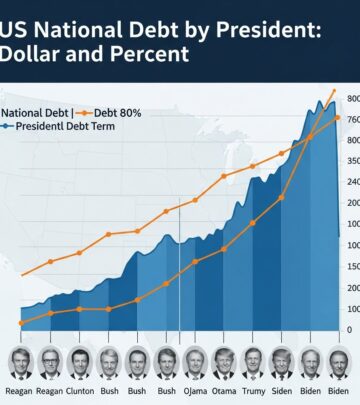
George W. Bush’s presidency (2001-2009) coincided with unprecedented U.S. government spending. Critics argue he abandoned fiscal conservatism, turning budget surpluses into deficits. At the start of his term, the federal budget enjoyed a surplus projected at $5.6 trillion over a decade. By 2009, the national debt had ballooned by $5 trillion.
Key culprits? The Iraq and Afghanistan wars cost over $2 trillion by some estimates. Meanwhile, the 2001 and 2003 tax cuts, totaling around $1.35 trillion, reduced revenue without corresponding spending cuts. Add Medicare Part D (prescription drugs, $534 billion over 10 years) and the 2008 financial bailout ($700 billion TARP), and you have a spending spree that frugal bloggers decry.
“Bush has not been spending our money without prejudice. In fact, you could very easily argue that keeping taxes low IS NOT being fiscally responsible…”
From a personal finance perspective, these moves resemble living beyond one’s means—racking up credit card debt while cutting income. WiseBread readers, who clip coupons and avoid impulse buys, would likely balk at such extravagance on a national scale.
Tax Cuts: Boon or Budget Buster?
Bush championed tax relief as a growth engine. The Economic Growth and Tax Relief Reconciliation Act of 2001 and the Jobs and Growth Tax Relief Reconciliation Act of 2003 slashed rates across brackets, doubled the child tax credit, and eliminated estate taxes temporarily. Proponents claim they spurred GDP growth from 1.7% in 2001 to 3.5% by 2004.
However, detractors note revenues dropped 15% initially, exacerbating deficits. In personal terms, it’s like slashing your paycheck to “stimulate” spending—great short-term, disastrous long-term without cuts elsewhere. Bush vetoed few spending bills, only 12 in eight years, earning him the label of “big spender” from conservatives.
| Policy | Cost (Trillions) | Frugal Equivalent |
|---|---|---|
| Tax Cuts (2001-2003) | $1.35 | Reducing your salary to boost shopping |
| Wars (Iraq/Afghanistan) | $2+ | Impulse-buying luxury vacations |
| Medicare Part D | $0.534 | Adding premium cable without budgeting |
| TARP Bailout | $0.7 | Bailing out a failed side hustle |
The 2008 Financial Crisis Response: Savior or Enabler?
As the housing bubble burst, Bush’s administration orchestrated the Troubled Asset Relief Program (TARP). On October 14, 2008, he announced measures including capital injections into banks, FDIC debt guarantees, expanded deposit insurance, and Federal Reserve commercial paper support. These aimed to thaw frozen credit markets and prevent systemic collapse.
“The federal government will use a portion of the $700 billion financial rescue plan to inject capital into banks by purchasing equity shares.” This stabilized institutions, with most TARP funds repaid plus profit. Yet, for frugalists, it was moral hazard—rewarding recklessness with taxpayer money, akin to cosigning a deadbeat friend’s loan.
- Pros: Prevented deeper recession; banks repaid $442 billion of $426 billion disbursed core funds.
- Cons: Encouraged risky behavior; ballooned deficits to $1.4 trillion in 2009.
- WiseBread Angle: Better to let failures teach lessons than bail out bad decisions.
Nepotism and Bush’s Rise: Lessons in Networking?
Bush’s path to power exemplifies nepotism, a “stupid reason” people ascend professionally. Son of President George H.W. Bush, he leveraged family ties in Texas oil, baseball (Texas Rangers), and politics. “It’s amazing to think that in a country that’s home to over 307 million people, we ended up with Bush Sr. and Bush Jr. in the White House.”
In career advice terms, WiseBread might advise building merit-based networks, not dynasties. Yet, Bush’s story underscores connections’ power—frustrating but real for salary climbers.
Personal Habits: Thrifty or Not?
Beyond policy, Bush’s personal frugality is mixed. He quit drinking at 40, embraced exercise (ran marathons), and read voraciously—biographies of Lincoln, Carnegie, Twain. At the ranch, he lived simply, avoiding White House extravagance. However, Air Force One trips and Crawford retreats cost millions annually, clashing with penny-pinching ideals.
Why Bush Shouldn’t Write for WiseBread
- Spending Hypocrisy: Deficits tripled under his watch; WiseBread preaches living within means.
- Policy Mismatches: Bailouts contradict “let the market decide” frugality.
- Audience Clash: Readers seek bootstrap tips, not presidential rationales.
- Polarization: His name evokes division, harming site neutrality.
Why Bush Could Write for WiseBread
- Lessons Learned: Post-presidency, his library and institute focus on education, health—potential for reflective pieces on mistakes.
- Historical Insight: Economic crisis stories offer context for today’s readers facing inflation.
- Humor Value: Satirical guest post could go viral, boosting traffic.
- Balanced View: Defending tax cuts as pro-growth fits some libertarian frugalists.
Frequently Asked Questions (FAQs)
Q: Was Bush fiscally responsible?
A: No, deficits rose from surpluses to records; spending outpaced revenue growth despite tax cuts.
Q: Did TARP work?
A: Yes, it stabilized banks with repayments and profits, but ethically questionable for frugal principles.
Q: Could Bush offer good personal finance advice now?
A: Possibly on discipline (sobriety, reading), but policy legacy undermines credibility.
Q: Is nepotism key to success like Bush’s?
A: Often yes, but combined with charisma and timing; still unfair per merit-based views.
Q: What’s WiseBread’s stance on government spending?
A: Emphasizes personal thrift; government excess is cautioned against in articles.
Conclusion: Entertaining Idea, Poor Fit
Inviting George W. Bush to WiseBread is a fun thought experiment highlighting fiscal contrasts. His era teaches deficits’ dangers, vital for personal finance. Yet, his record screams “do as I say, not as I did.” Better as history lesson than contributor—WiseBread thrives on actionable thrift, not presidential what-ifs.
References
- President Bush Discusses Economy — The White House Archives. 2008-10-14. https://georgewbush-whitehouse.archives.gov/news/releases/2008/10/20081014.html
- George W. Bush was right: It’s wise to read history — Farm Progress. 2023-05-15. https://www.farmprogress.com/commentary/george-w-bush-was-right-it-s-wise-to-read-history
- Should George W. Bush write for Wisebread? — WiseBread. 2008-10-20. https://www.wisebread.com/should-george-w-bush-write-for-wisebread
- Stupid Reasons Why People Make More Money — WiseBread. 2009-07-12. https://www.wisebread.com/stupid-reasons-why-people-make-more-money
Similar Articles








Read full bio of Sneha Tete