Should I Cosign My Child’s Private Student Loan?
Understand the financial risks and benefits of cosigning your child's private student loan before making this important decision.

One of the most significant financial decisions a parent can face is whether to cosign their child’s private student loan. While cosigning can help your child secure funding for education, it comes with substantial financial and legal responsibilities that you need to understand thoroughly. Before you put your name on the dotted line, it’s essential to weigh both the advantages and disadvantages carefully to determine if this is the right choice for your family.
Understanding What It Means to Cosign
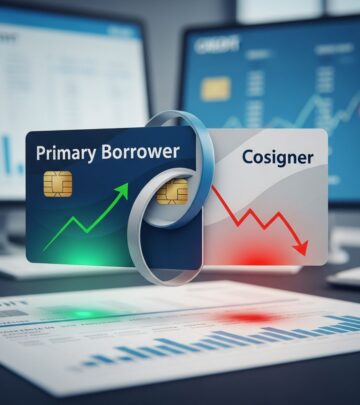
When you cosign a private student loan, you’re not simply providing a character reference or endorsement. Instead, you become a co-borrower on the loan, which means you’re legally liable for the entire debt if the primary borrower fails to pay. Lenders treat you as if you personally borrowed the money, and the full loan amount appears on your credit report. This distinction is crucial because many parents underestimate the true implications of cosigning. You’re accepting equal responsibility for the loan, including any missed payments, late fees, and interest charges that accrue over time.
Your credit score will be affected by the loan just as much as your child’s, regardless of who actually makes the payments. This means that both your financial futures are intertwined for the duration of the loan, which typically spans 10 years or longer.
Pros of Cosigning a Student Loan
Increases the Chances of Your Child Getting Approved
The primary reason many parents cosign private student loans is to increase their child’s chances of loan approval. Private lenders conduct thorough credit checks before approving loans, and they want assurance that borrowers will repay the debt. Young students fresh out of high school often lack an established credit history or may not meet the lender’s credit requirements on their own. By adding your name as a cosigner, you’re allowing the lender to evaluate your creditworthiness instead, significantly improving the likelihood of approval. Without a cosigner, many students would be unable to access private student loans at all.
Helps Your Child Qualify for Lower Interest Rates
Beyond approval, having a creditworthy cosigner can result in substantially lower interest rates and fees on the loan. A strong credit history demonstrates financial responsibility to lenders, who reward this by offering more favorable terms. Over the life of a multi-year loan, these reduced rates can translate to significant savings for your child. For example, even a one percent difference in interest rate can save thousands of dollars in interest payments over a 10-year repayment period. By cosigning, you’re potentially helping your child start their adult life with a more manageable debt burden.
Helps Build Your Child’s Credit History
While the loan primarily benefits your child’s financial future, there’s also a potential advantage for the cosigner. If your child makes all payments on time, the cosigned loan will appear as a positive account on your credit report, potentially improving your credit score. This works both ways, so it’s important to ensure your child understands the importance of timely payments.
Cosigner Release Options May Be Available
Many lenders offer cosigner release programs that allow you to be removed from the loan after the borrower demonstrates a pattern of responsible payment behavior, typically after 24 consecutive on-time payments. This provides an exit strategy and means your obligation isn’t necessarily permanent. However, not all lenders offer this option, so you should inquire about it before cosigning.
Cons of Cosigning a Student Loan
Can Hurt Your Credit Score
One of the most significant risks of cosigning is the potential negative impact on your credit score. Your credit score is influenced by several factors, including your total amount of debt. By adding a large student loan to your credit report, you’re increasing your overall debt load, which could lower your credit score even if your child makes every payment on time. Additionally, if your child misses payments or defaults on the loan, this negative information will be reported to credit bureaus and will directly damage your credit score.
May Limit Your Borrowing Ability
Because the cosigned student loan appears on your credit report as your debt, it affects your debt-to-income ratio. This ratio is a critical factor that lenders consider when evaluating your creditworthiness for other loans. If you’re planning to apply for a mortgage, car loan, or other credit in the future, the cosigned student loan could jeopardize your approval or result in less favorable interest rates than you might otherwise qualify for. In some cases, you may be denied entirely for new credit because lenders view you as already carrying substantial debt obligations.
You’re Legally Responsible for the Full Debt
If your child experiences financial difficulties, faces job loss, or simply decides not to pay, you become responsible for the entire loan balance. This includes not only the principal amount borrowed but also all accrued interest and fees. In the worst-case scenario, if your child defaults on the loan, the lender can pursue legal action against both of you, potentially initiating debt collection proceedings or even suing for the full amount owed.
Could Strain Your Relationship with Your Child
Tying your financial lives together for 10 years or more can introduce tension into your parent-child relationship. If your child faces unexpected financial hardship or simply forgets to make a payment, both of your credit scores suffer the consequences. What may have started as a well-intentioned gesture to help your child pursue education could turn into a source of family conflict if payment problems arise.
Affects Your Ability to Cosign for Others
If you have multiple children or other family members seeking education financing, cosigning for the first child could limit your ability to cosign for subsequent children due to the debt impact on your credit profile and debt-to-income ratio.
Comparing the Pros and Cons
| Pros of Being a Cosigner | Cons of Being a Cosigner |
|---|---|
| Increases approval chances for your child | Can negatively impact your credit score |
| Helps qualify for lower interest rates and fees | May limit your ability to obtain other credit |
| Can help build your child’s credit history | You’re legally liable for the entire debt |
| May be released after 24 consecutive payments | Could strain your relationship with your child |
| Sets child up for repayment success | Affects your ability to cosign for other children |
Key Considerations Before Cosigning
Assess Your Financial Stability
Before agreeing to cosign, honestly evaluate your own financial situation. Ask yourself: Can I afford to take over the entire loan payment if my child cannot pay? If the answer is no, you should seriously reconsider cosigning. Taking on a responsibility you cannot realistically fulfill puts both you and your child at risk.
Review Loan Terms Carefully
Examine the interest rate, monthly payment amount, loan term, and any associated fees. Understand the total amount you’re potentially on the hook for, and ensure you’re comfortable with this figure. Different lenders offer different terms, so compare options before your child commits to a specific loan.
Discuss Payment Expectations
Have an explicit conversation with your child about who will be responsible for making payments and what happens if they face financial difficulty. Establish clear expectations and consider having a written agreement, even within the family. This prevents misunderstandings and protects both parties.
Explore Federal Student Loan Options First
Federal student loans typically offer more borrower protections and flexible repayment options than private loans. They should generally be exhausted before pursuing private loans with cosigners. Federal loans don’t require cosigners and offer income-driven repayment plans, loan forgiveness programs, and deferment options that private loans typically don’t provide.
Monitor the Loan Account
Once you’ve cosigned, stay informed about the loan’s status. Know when payments are due, monitor your credit reports regularly, and stay in contact with your child about their repayment progress. Early intervention if problems arise can prevent serious damage.
When You Should NOT Cosign
You should avoid cosigning a private student loan if:
- You cannot afford to take over full payments if necessary
- You’re planning major purchases that require credit approval in the near future
- You have concerns about your child’s financial responsibility or commitment to repayment
- You already carry substantial personal debt
- Your credit score is already damaged or being actively improved
- You don’t fully understand the terms of the loan
- You feel pressured by your child or the lender to decide quickly
Alternatives to Cosigning
Before committing to cosigning, consider these alternatives:
- Your child applies for federal student loans independently
- You help your child build credit before applying for private loans
- You provide financial support directly without cosigning
- Your child explores scholarships, grants, or work-study opportunities
- You investigate community college options for the first two years to reduce borrowing needs
Frequently Asked Questions
Q: Can I be released from a cosigned student loan?
A: Some lenders offer cosigner release programs that allow you to be removed after 24 consecutive on-time payments. However, not all lenders provide this option, so ask your lender about their specific policy before cosigning.
Q: What happens if my child defaults on a cosigned loan?
A: If your child defaults, the lender can pursue collection actions against both you and your child, potentially including lawsuits and wage garnishment. Your credit will be severely damaged, and you’ll be responsible for the full outstanding balance plus accumulated interest and fees.
Q: Will cosigning affect my ability to get a mortgage?
A: Yes, cosigning a student loan increases your debt-to-income ratio, which lenders use to assess your creditworthiness for mortgages. This could result in loan denial, higher interest rates, or less favorable terms.
Q: How long am I responsible for the loan as a cosigner?
A: You remain responsible for the loan for its entire term—typically 10 years or longer—unless the lender offers a cosigner release program and your child qualifies by making all on-time payments.
Q: Can my child refinance to remove me as a cosigner?
A: If your child builds sufficient credit and income, they may be able to refinance the loan independently, which would remove you as a cosigner. However, this requires their financial situation to improve significantly.
Q: What’s the difference between cosigning and co-borrowing?
A: When you cosign, you’re taking on legal responsibility for repayment but aren’t receiving the loan funds. As a co-borrower, you’d receive the funds jointly. In both cases, you’re equally liable for repayment.
The Bottom Line
Deciding whether to cosign your child’s private student loan is a significant financial decision that deserves careful consideration. While cosigning can help your child access education financing and secure better loan terms, it comes with real risks to your credit score, borrowing power, and financial security. Before you commit, make sure you fully understand your obligations, honestly assess your financial situation, and have detailed conversations with your child about expectations and contingency plans. Consider all alternatives first, and only cosign if you’re truly comfortable with the possibility of taking over full repayment responsibility. Your financial future is too important to leave to chance.
References
- Private Student Loan Cosigner: Everything you Need to Know — Edvisors. Accessed 2025-11-29. https://www.edvisors.com/student-loans/private-student-loans/student-loan-cosigner/
- The Risks Cosigning a Loan for a Student — College Raptor. Accessed 2025-11-29. https://www.collegeraptor.com/paying-for-college/articles/student-loans/understand-the-risks-of-being-a-student-loan-cosigner-before-signing/
- Student Loans Co-signer: Pros, Cons, and Do I Need One? — NC Assist. Accessed 2025-11-29. https://www.ncassist.org/paying-for-college-101/blog/student-loan-cosigner/
- Should I Cosign My Child’s Private Student Loan? — Money Magazine. Accessed 2025-11-29. https://money.com/should-i-cosign-private-student-loan/
- Pros & Cons of Cosigning a Student Loan — Ascent Funding. Accessed 2025-11-29. https://www.ascentfunding.com/blog/should-i-cosign-a-student-loan-weighing-the-pros-and-cons/
- Cosigning a Loan: Risks and Benefits — The Maryland People’s Law Center. Accessed 2025-11-29. https://www.peoples-law.org/cosigning-loan-risks-and-benefits
- 7 Things to consider when cosigning a student loan — Sallie Mae. Accessed 2025-11-29. https://www.salliemae.com/blog/things-you-should-know-about-cosigning-student-loans/
Similar Articles








Read full bio of Sneha Tete