Shortage: Definition, Causes, and Economic Impact
Understanding shortages: When supply falls short of demand in markets.

Understanding Shortage: Definition and Fundamental Concepts
A shortage occurs when the quantity of a good or service demanded by consumers exceeds the quantity supplied by producers at a given price. This fundamental economic concept represents a critical imbalance in market dynamics where buyers want more of a product than sellers are willing or able to provide. Unlike scarcity, which is a permanent condition reflecting the limited nature of all resources, a shortage is typically a temporary market situation that can be resolved through price adjustments or increased production.
The distinction between scarcity and shortage is important for understanding economics. Scarcity refers to the basic economic problem that unlimited human wants exist but resources are finite. A shortage, however, is specifically about the gap between what consumers demand at a particular price point and what producers supply at that same price. Every economy deals with scarcity, but not every market experiences a shortage at all times.
The Core Mechanics of Shortage
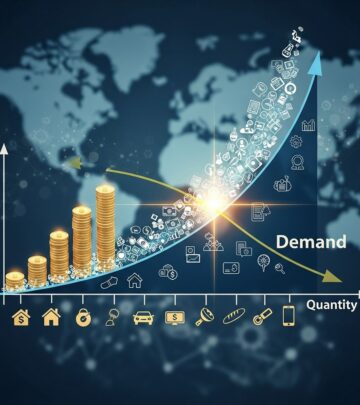
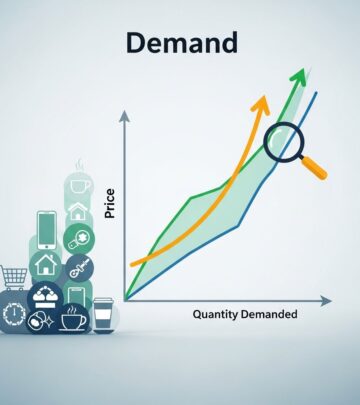
Shortages arise from the fundamental principle of supply and demand. When demand for a product increases while supply remains constant or decreases, a shortage emerges. Consider a scenario where a popular new technology is released. Initial production capacity might be limited while consumer demand is extremely high, creating a shortage. This excess demand signals to producers that they should increase production or raise prices to balance the market.
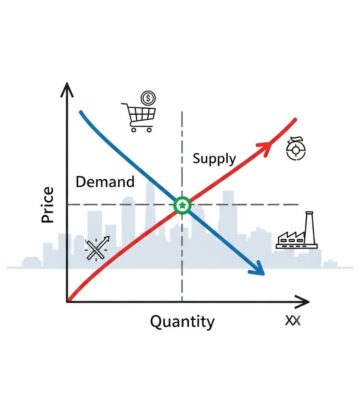
In a freely functioning market, shortages typically resolve themselves through price mechanisms. As demand exceeds supply, sellers can increase prices, which accomplishes two things: it encourages more consumers to exit the market or purchase less (reducing demand), and it incentivizes producers to increase output (increasing supply). Eventually, the market reaches an equilibrium where the quantity demanded equals the quantity supplied.
Primary Causes of Shortages
Several factors can trigger shortages in markets:
Price Controls and Government Intervention
One of the most common causes of persistent shortages is government-imposed price controls, particularly price ceilings that mandate maximum prices below the market equilibrium. When governments artificially limit how high prices can go, they prevent the natural price adjustment mechanism from functioning. At the controlled lower price, demand increases while suppliers find it less profitable to produce, creating a shortage. Historical examples include rent control in cities like New York and price caps on gasoline during energy crises.
Supply Disruptions
Unexpected events that reduce production capacity can rapidly create shortages. Natural disasters, pandemics, wars, or infrastructure failures can all disrupt supply chains. The COVID-19 pandemic provided a stark illustration, creating shortages of medical equipment, semiconductors, and consumer goods as factories closed and supply chains broke down. Similarly, droughts can cause agricultural shortages, and political instability can disrupt energy supplies.
Increased Demand
Sometimes demand surges unexpectedly due to changing preferences, seasonal factors, or demographic shifts. A viral social media trend, for instance, can suddenly spike demand for a product that manufacturers weren’t prepared for. During holiday seasons, retail shortages commonly occur because demand temporarily exceeds production and inventory capacity.
Production Constraints
Limitations in production capacity can lead to shortages even when prices adjust. If all manufacturers are already operating at maximum capacity and cannot easily expand, they cannot meet demand increases. This is particularly true for goods requiring specialized manufacturing or rare raw materials.
The Consequences of Shortages
Consumer Impact
Shortages directly affect consumers through several mechanisms. First, those who do manage to purchase the product pay a premium price if prices have risen, or they might face difficulty finding the product at all if prices are controlled. Consumers may spend significant time and effort searching for the scarce good, or they might substitute with alternative products that are less preferred.
Market Inefficiency
Persistent shortages indicate market inefficiency. Resources are not being allocated optimally—some consumers who value the product highly cannot obtain it, while potential sellers are either not producing or producing below capacity. This represents a deadweight loss to the economy, where both consumers and producers are worse off than they would be in an equilibrium market.
Black Markets and Underground Economies
When shortages persist due to price controls, black markets often emerge. People with access to the scarce good sell it at higher prices illegally, capturing the surplus that the price ceiling prevented legitimate sellers from earning. This underground activity is inefficient, difficult to tax, and often involves criminal elements.
Quality Deterioration
Sellers facing shortage conditions may reduce product quality to maintain profitability under price constraints. If they cannot raise prices, they might use cheaper materials, reduce service quality, or cut corners in production. Consumers ultimately suffer from lower-quality offerings.
Real-World Examples of Shortages
Energy and Gasoline
The 1970s oil crisis created significant gasoline shortages in the United States. OPEC’s oil embargo combined with price controls led to long lines at gas stations and rationing in many areas. Prices were artificially kept below market equilibrium, preventing supply from adjusting to demand.
Housing Shortages
Many cities worldwide experience housing shortages, partly due to rent control policies and zoning restrictions that limit new construction. These supply-side restrictions keep prices artificially low, discouraging new building and creating persistent shortages of affordable housing.
Semiconductor Shortage
Following the pandemic, the semiconductor industry faced severe shortages as demand for electronics surged while manufacturing capacity remained limited. This shortage cascaded through multiple industries, affecting automotive production, consumer electronics, and computers.
Pharmaceutical Shortages
Shortages of essential medicines periodically occur, often due to manufacturing disruptions, low profitability for certain medications, or regulatory issues. These shortages can have serious health consequences for patients depending on those medications.
Shortage Versus Scarcity: Key Differences
While these terms are sometimes used interchangeably, they describe different economic concepts. Scarcity is the universal economic condition that resources are finite while human wants are infinite. Every economy operates under scarcity. A shortage, however, is a specific market situation where quantity demanded exceeds quantity supplied at the current price. Shortages may be temporary and market-specific, while scarcity is permanent and universal. Eliminating a shortage is possible through price adjustment or increased production; scarcity cannot be eliminated.
Solutions to Shortages
Price Adjustment
In unregulated markets, allowing prices to rise naturally solves shortages by reducing demand and incentivizing increased supply. This market mechanism is the most efficient way to resolve temporary shortages.
Increased Production
Producers can expand capacity, invest in new facilities, or bring existing production online to increase supply. This requires time but addresses the root cause of many shortages.
Removing Price Controls
Eliminating government price ceilings allows markets to clear naturally. Historical evidence shows that price decontrol typically ends persistent shortages, though it usually involves higher prices for consumers in the short term.
Rationing and Allocation Systems
During severe shortages that cannot be quickly resolved, governments sometimes implement rationing systems to ensure fair distribution of limited supplies. While not ideal for market efficiency, rationing prevents complete market collapse during extreme shortage conditions.
Frequently Asked Questions
Q: What is the difference between shortage and deficit?
A: In economics, shortage refers to insufficient supply of goods relative to demand at current prices. A deficit, particularly in government contexts, refers to spending exceeding revenue. While related concepts in some contexts, they are distinct economic measures.
Q: How do shortages affect inflation?
A: Shortages typically put upward pressure on prices, contributing to inflation. When supply cannot meet demand, producers can raise prices, and consumers compete by bidding prices higher. Widespread shortages across multiple sectors can contribute significantly to overall inflation.
Q: Can shortages exist in developed economies?
A: Yes, shortages occur in all economies, developed or not. Temporary shortages are normal market phenomena. Persistent shortages typically indicate market failures, often caused by price controls or supply disruptions.
Q: How long do shortages typically last?
A: Duration varies widely. Market-driven shortages can resolve within days or weeks as prices adjust. Shortages caused by price controls may persist indefinitely until regulations change. Supply-driven shortages depend on how quickly production can expand or supply chains can recover.
Q: What role do expectations play in shortages?
A: Expectations can amplify shortages through panic buying and hoarding. When consumers expect a shortage, they increase purchases, which can transform a potential shortage into an actual one. This behavioral response is particularly pronounced during crises.
The Bottom Line
Shortages represent a fundamental market imbalance where quantity demanded exceeds quantity supplied at current prices. They arise from various causes including price controls, supply disruptions, demand surges, and production constraints. While temporary shortages are normal market occurrences that typically resolve through price adjustments, persistent shortages usually indicate government intervention or structural supply problems. Understanding shortage dynamics helps explain many real-world economic phenomena and illustrates why free market price mechanisms are crucial for efficient resource allocation. Policymakers and economists continue to debate the best approaches to managing shortages, balancing immediate relief through price controls against longer-term market efficiency through deregulation and increased production capacity.
References
- Scarcity – The Decision Lab — The Decision Lab. Accessed November 2025. https://thedecisionlab.com/reference-guide/anthropology/scarcity
- What Is Scarcity? — Investopedia Editorial Team. Updated June 2024. https://www.investopedia.com/terms/s/scarcity.asp
- Supply and Demand in Economics — U.S. Bureau of Labor Statistics. Last Updated November 2025. https://www.bls.gov/opub/mlr/2021/article/the-labor-market-during-the-covid-19-pandemic.htm
Similar Articles








Read full bio of Sneha Tete