Short Selling: 5 Key Steps, Risks, And Strategies
Master the mechanics of short selling, from basic steps to advanced risks and market impact in modern trading.

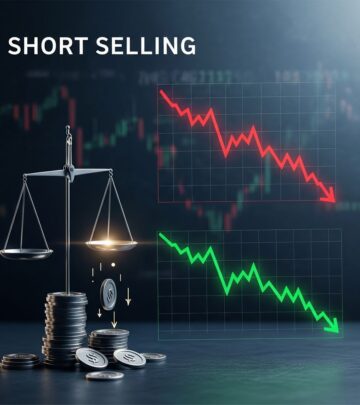
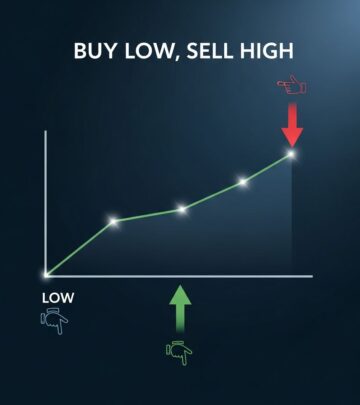
Short selling represents a contrarian investment approach where traders profit from declining asset prices rather than rising ones. Unlike traditional buying low and selling high, short sellers initiate positions by selling borrowed securities, anticipating a price drop to repurchase them cheaper later. This method demands precision, as markets can move unpredictably against expectations.
Core Mechanics of Short Selling
The process begins when a trader identifies an overvalued stock or anticipates negative developments like poor earnings or scandals. They contact a broker to borrow shares, typically from institutional inventories or other clients. Upon borrowing, the shares are sold immediately at the current market price, crediting the trader’s account with proceeds. The trader then monitors the market, aiming to buy back the shares at a reduced price to return to the lender, pocketing the difference minus fees.
Key steps include:
- Identify target: Select stocks with high short interest or fundamental weaknesses.
- Borrow shares: Broker locates and lends securities, charging a borrow fee.
- Sell short: Execute sale in open market.
- Monitor position: Track price movements and news.
- Cover position: Repurchase shares (“cover”) and return to lender.
This sequence flips traditional investing, exposing sellers to unique dynamics.
Profit and Loss Dynamics
Profits materialize when the stock falls: for instance, borrowing and selling 100 shares at $50 yields $5,000. If the price drops to $25, repurchasing costs $2,500, netting $2,500 profit before costs. Losses occur oppositely; if the price rises to $100, repurchasing costs $10,000, resulting in a $5,000 loss. Unlike long positions limited to a stock’s drop to zero, short losses theoretically have no cap, as prices can rise indefinitely.
| Scenario | Sell Price (100 shares) | Buyback Price | Profit/Loss (pre-fees) |
|---|---|---|---|
| Price Falls | $50 ($5,000) | $25 ($2,500) | +$2,500 |
| Price Rises | $50 ($5,000) | $100 ($10,000) | -$5,000 |
| No Change | $50 ($5,000) | $50 ($5,000) | $0 (minus fees) |
Additional costs include margin interest, borrow fees (higher for hard-to-borrow stocks), and dividend reimbursements if the stock pays out while shorted.
Risks Inherent to Short Positions
Short selling carries amplified risks. Unlimited loss potential tops the list, as seen in historic short squeezes where rapid buying forces prices skyward. A margin call can force premature covering if account equity falls below requirements, often during volatility. Borrow fees escalate for popular shorts, eroding profits. Regulatory restrictions, like the SEC’s uptick rule, limit timing.
- Short squeeze: Heavy short interest plus positive catalysts trigger mass covering, spiking prices.
- Unlimited upside risk: No ceiling on stock gains.
- Liquidity issues: Hard-to-borrow stocks command premiums.
- Opportunity cost: Capital tied in margin reduces other trades.
Beginners often overlook these, leading to outsized losses. Experienced traders mitigate via stops or paired hedges.
Strategic Applications Beyond Speculation
While speculative, short selling serves hedging. Portfolio managers short indices or sectors to offset long holdings during downturns, reducing beta exposure. Pairs trading shorts one stock against a long in a peer, profiting from relative underperformance. Activist shorts, like those by firms targeting fraud, combine research with public disclosure to catalyze drops.
In efficient markets, shorts enhance price discovery by countering optimism bias, curbing bubbles. Data shows markets with shorting bans experience greater volatility and slower corrections.
Regulatory Framework and Restrictions
Governments regulate shorting to prevent manipulation. In the US, the SEC mandates locate requirements: brokers must confirm share availability before executing. Naked shorting—selling without borrowing—is illegal, as it floods markets with phantom shares, delaying settlements.
During crises, like 2008, temporary bans halt shorting on financials to stabilize prices. The uptick rule requires shorts on rising prices only after a tick up, curbing momentum abuse. Internationally, rules vary; some nations ban shorting outright periodically.
Real-World Case Studies
GameStop’s 2021 saga exemplifies short squeeze peril. Hedge funds shorted heavily, betting on decline. Retail frenzy via social media drove shares from $20 to $483, forcing $billions in losses as funds covered. Conversely, successful shorts like Volkswagen in 2008 profited from a squeeze in reverse, where a Porsche stake revelation trapped shorts.
Enron’s collapse rewarded shorts prescient to accounting fraud, amplifying returns amid bankruptcy.
Tools and Platforms for Shorting
Retail access has grown via brokers like Interactive Brokers or Thinkorswim, requiring margin accounts (typically 150% initial equity). Platforms display short interest ratios, borrow rates, and days-to-cover metrics. Advanced users employ options (puts) or inverse ETFs as synthetic shorts, bypassing direct borrowing.
- Key metrics: Short interest (% float), borrow fee rate, utilization %.
- Alternatives: Put options, futures, CFDs.
Psychological and Market Impacts
Shorting demands steel nerves against crowd euphoria. Bears face social backlash, as in “short and distort” accusations. Yet, shorts provide liquidity, tighten spreads, and expose fraud, benefiting long-term investors. Studies affirm shorting’s role in healthier markets.
Is Short Selling Right for You?
Suitable for seasoned traders with high risk tolerance, robust research, and diversification. Avoid if new to markets; start with paper trading. Consult advisors on margin implications and tax treatments—short profits are ordinary income, unlike long-term capital gains.
Frequently Asked Questions
What happens if a stock goes to zero while shorted?
You profit maximally, buying back for near-nothing, but pay any dividends accrued.
Can retail investors short stocks?
Yes, via margin-enabled brokers, but minimums and approvals apply.
What’s the difference between short selling and put options?
Shorts involve borrowing shares; puts grant rights to sell at strike, with defined risk.
How do short squeezes happen?
High short interest meets buying pressure, forcing covers that fuel rises.
Is short selling legal everywhere?
Regulated in most markets; some impose bans during stress.
References
- Short Selling | Definition + Process Example — Wall Street Prep. 2023-01-15. https://www.wallstreetprep.com/knowledge/short-selling/
- Short Selling: The Risks and Rewards — Charles Schwab. 2024-05-20. https://www.schwab.com/learn/story/ins-and-outs-short-selling
- Short (finance) — Wikipedia (sourced from primary finance refs). 2025-02-01. https://en.wikipedia.org/wiki/Short_(finance)
- Short Selling: 5 Steps for Shorting a Stock — NerdWallet. 2024-11-10. https://www.nerdwallet.com/investing/learn/shorting-a-stock
- Short Sales — Investor.gov (SEC). 2023-07-12. https://www.investor.gov/introduction-investing/investing-basics/glossary/short-sales
- Short Selling is Essential for Healthy Markets — Managed Funds Association. 2024-03-05. https://www.mfaalts.org/issue/short-selling-is-essential-for-healthy-markets/
Similar Articles








Read full bio of medha deb