Short Selling ETFs: Strategies and Risks
Unlock the potential of short selling exchange-traded funds to profit from market declines while navigating inherent risks and regulatory hurdles.

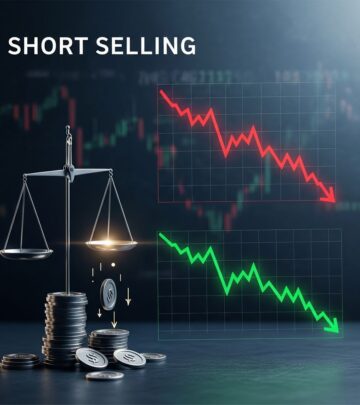
Short selling exchange-traded funds (ETFs) allows investors to profit from anticipated declines in market indices, sectors, or asset classes by betting against their performance. This advanced tactic contrasts with traditional long positions, offering opportunities in bearish conditions but demanding careful risk assessment due to unlimited potential losses.
Understanding the Mechanics of Shorting ETFs
At its core, short selling an ETF involves borrowing shares from a broker, selling them at the current market price, and later repurchasing them at a hopefully lower price to return to the lender. The difference represents profit, adjusted for borrowing fees and dividends. ETFs, being exchange-traded like stocks, facilitate this process seamlessly on major platforms.
Unlike individual stocks, ETFs bundle diverse assets, providing broader exposure. Investors might short an S&P 500 ETF expecting economic downturns or a technology sector ETF amid regulatory pressures. Brokers require margin accounts, where initial requirements often stand at 50% of the position value, per FINRA and SEC guidelines. Maintenance margins ensure ongoing viability, triggering calls if equity dips below thresholds.
Why Traders Turn to ETF Short Selling
Shorting ETFs serves multiple purposes beyond pure speculation. Key motivations include:
- Directional Bets: Positioning against overvalued sectors, such as energy during oversupply or tech in bubble scenarios.
- Hedging Portfolios: Offsetting long holdings; for instance, shorting a broad market ETF to protect against systemic risks in owned stocks.
- Diversification: Targeting baskets of assets reduces single-stock risk compared to shorting individuals.
- Market Timing: Capitalizing on short-term corrections in upward-trending markets.
Operational shorting by authorized participants (APs) also plays a role, where they sell ETF shares before creating them to meet demand, buffering liquidity shocks to underlying assets. This mechanism enhances market efficiency without directional intent.
Step-by-Step Guide to Executing ETF Shorts
Initiating a short position requires preparation:
- Select the Target: Analyze ETFs via fundamentals, technicals, or macroeconomic indicators. Tools like volatility indices or earnings forecasts aid decisions.
- Verify Broker Capabilities: Ensure access to ETF borrowing inventory; popular ones like SPY or QQQ typically have high availability.
- Fund Margin Account: Meet initial deposit rules, often 150% of trade value for volatile assets.
- Place the Order: Sell short at market or limit prices, specifying quantity.
- Monitor and Cover: Track positions, using stop-loss orders to cap losses; buy to cover when targets hit.
Derivatives like CFDs offer leveraged shorting without direct borrowing, amplifying exposure but heightening risks. Position sizing remains critical—limit to 1-2% of portfolio per trade.
Comparing Traditional Shorting to Inverse and Leveraged ETFs
Inverse ETFs rise when underlying indices fall, simplifying bearish exposure without borrowing. Leveraged variants multiply daily moves, e.g., -2x or -3x. However, distinctions matter:
| Aspect | Traditional Short Selling | Inverse ETFs |
|---|---|---|
| Access | Margin account required; borrow shares | Buy like stocks; no margin needed |
| Leverage | Broker-dependent, typically 2:1 | Built-in (1x, 2x, 3x daily) |
| Costs | Borrow fees, margin interest, dividends | Management fees; decay over time |
| Hold Period | Flexible, but indefinite holds costly | Best for daily trades; compounding erodes multi-day |
| Liquidity | High for major ETFs | Moderate; lower volume |
| Risk | Unlimited upside loss | Capped at investment; volatility drag |
Short selling suits longer horizons, while inverse products excel in intraday volatility. Prolonged holds in inverse ETFs suffer from daily resets, deviating from expected multiples.
Navigating Risks in ETF Short Positions
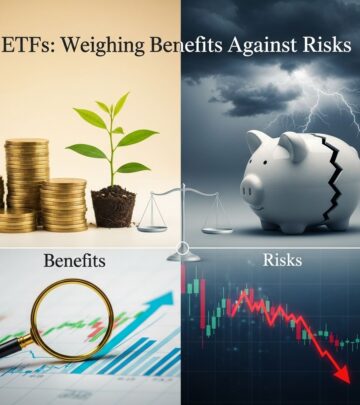
Short selling carries asymmetric dangers: profits cap at 100% loss for the asset, but losses theoretically unlimited if prices surge. Key hazards include:
- Short Squeezes: Sudden buying forces covering at higher prices, amplifying losses.
- Margin Calls: Price rallies erode equity, demanding deposits or liquidation.
- Borrow Costs: ‘Hard-to-borrow’ ETFs incur high fees, eroding gains.
- Dividend Payments: Shorts owe dividends to lenders.
- Regulatory Halts: Upticks rules or bans during crises limit new shorts.
ETFs mitigate some stock-specific risks via diversification, yet sector ETFs remain volatile. Operational shorting by APs reduces failures-to-deliver, stabilizing markets.
Advanced Tactics for Shorting ETFs
Seasoned traders layer strategies:
- Pairs Trading: Long undervalued ETF, short overvalued peer for market-neutral bets.
- Options Overlays: Use puts on ETFs for defined-risk shorts.
- Volatility Plays: Short equity ETFs while longing VIX products.
- Event-Driven: Target earnings seasons or geopolitical events.
Risk management mandates stop-losses, position limits, and diversification across uncorrelated shorts. Backtesting via historical data refines entries/exits.
Regulatory Landscape and Broker Considerations
SEC’s Regulation SHO mandates locate requirements pre-short, curbing naked shorting. FINRA enforces margin rules: 50% initial, 25-30% maintenance for ETFs. Brokers like Interactive Brokers or Schwab detail fees transparently.
Choose platforms with robust ETF borrow pools, low commissions, and real-time inventory. Demo accounts build proficiency without capital risk.
Real-World Examples and Outcomes
During 2022’s market rout, shorting leveraged Nasdaq ETFs yielded gains as tech faltered. Conversely, 2021 squeezes in meme-inspired ETFs punished shorts. A Wharton study highlights operational shorts’ role in liquidity, uncorrelated with directional returns.
Hedgers shorted energy ETFs amid 2020 crashes, offsetting oil majors. Success hinges on timing, conviction, and discipline.
Frequently Asked Questions (FAQs)
Can beginners short sell ETFs?
Novices should practice on demos; requires margin approval and risk tolerance.
What are typical borrow fees for ETFs?
Range 0.5-5% annualized for liquid ETFs, higher for illiquid ones.
Are there taxes on short sale profits?
Short-term capital gains apply if held under a year; wash-sale rules differ.
How does ETF creation/redemption affect shorts?
APs arbitrage mispricings, often via operational shorts, aiding price alignment.
Is shorting ETFs safer than stocks?
Diversification lowers idiosyncratic risk, but systemic moves amplify losses.
Mastering ETF short selling demands education, tools, and stoicism. While powerful for bear markets or hedges, prioritize capital preservation amid volatility.
References
- What is a short ETF and how can you go short on ETFs? — IG. 2023-04-17. https://www.ig.com/en-ch/trading-strategies/what-is-a-short-etf-and-how-can-you-go-short-on-etfs–230417
- ETF Short Interest and Failures-to-Deliver: Naked Short-Selling or Market Stabilization? — Jacobs Levy Center, Wharton School, University of Pennsylvania. 2018-08. https://jacobslevycenter.wharton.upenn.edu/wp-content/uploads/2018/08/ETF-Short-Interest-and-Failures-to-Deliver.pdf
- The Basics of Short Selling — ETF Trends. Accessed 2026. https://www.etftrends.com/financial-literacy-channel/basics-short-selling/
- Short Selling: The Risks and Rewards — Charles Schwab. Accessed 2026. https://www.schwab.com/learn/story/ins-and-outs-short-selling
- Short Selling and Margin — Interactive Brokers. Accessed 2026. https://www.interactivebrokers.com/campus/trading-lessons/short-selling-and-margin/
Similar Articles








Read full bio of Sneha Tete