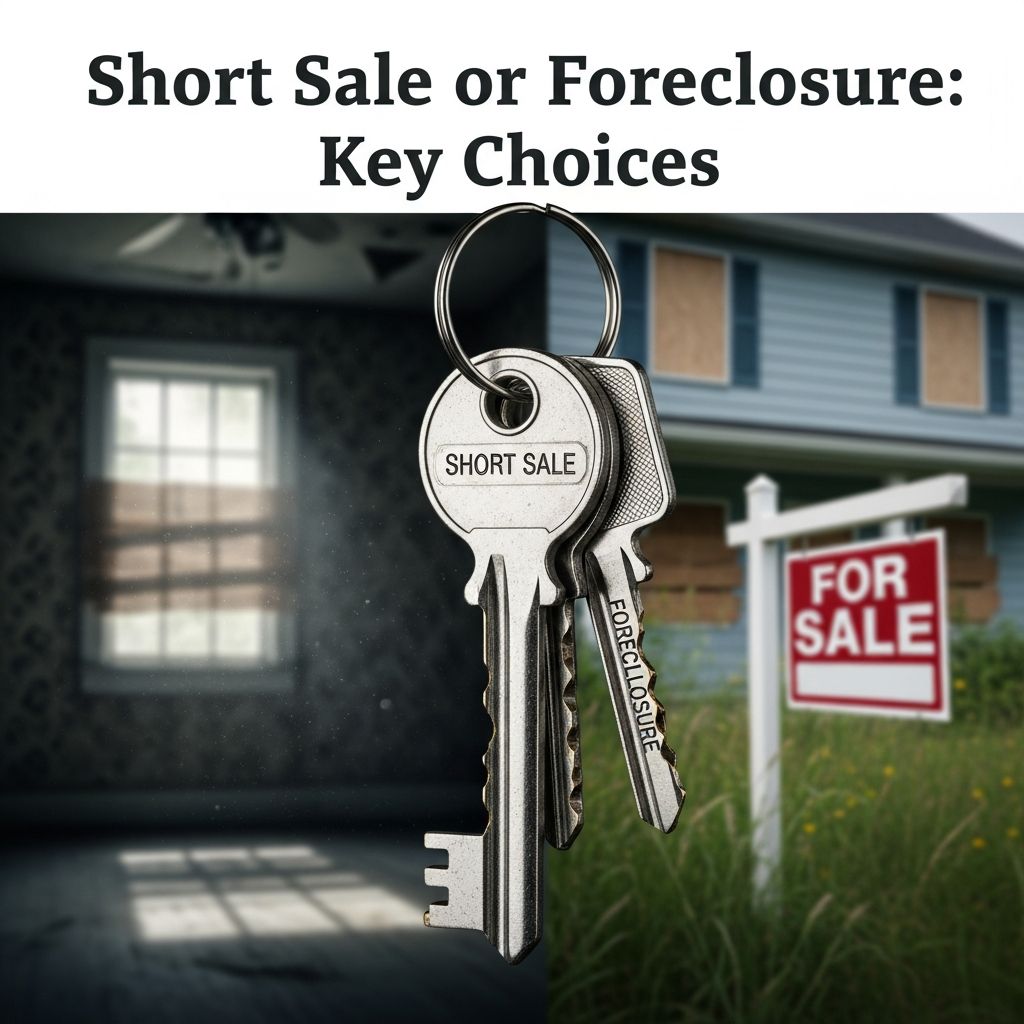
Short Sale or Foreclosure: Key Choices
Explore the differences between short sales and foreclosures to make informed decisions on credit impact, timelines, and recovery options for homeowners facing mortgage hardship.
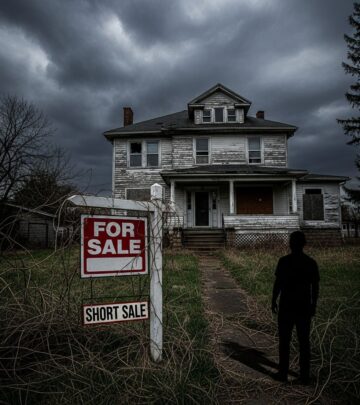
When homeowners struggle with mortgage payments, two primary paths emerge: pursuing a short sale or facing foreclosure. A short sale involves selling the property for less than the owed mortgage with lender approval, while foreclosure occurs when the lender repossesses and sells the home due to default. Understanding these options is crucial for minimizing long-term financial damage and planning recovery.
Defining the Core Processes
A
short sale
allows owners to market their home through a real estate agent, negotiate offers, and seek lender consent to close below the loan balance. This homeowner-driven approach often preserves some dignity and control during hardship.In contrast,
foreclosure
is lender-initiated after prolonged delinquency, typically starting after 120 days of missed payments. The bank takes ownership, auctions or lists the property, and evicts occupants, stripping sellers of influence.Timeline Comparisons and What to Expect
Short sales demand patience, spanning 4-12 months as lenders scrutinize finances and multiple offers. This delay lets owners stay in the home longer while arranging alternatives.
Foreclosure durations vary by state: non-judicial processes wrap in 3-5 months, but judicial ones can extend to years. Banks prioritize speed post-repossession to recoup funds.
| Aspect | Short Sale | Foreclosure |
|---|---|---|
| Average Duration | 4-12 months | 3 months to 3+ years |
| Key Delays | Lender approval | Court proceedings (judicial states) |
| Owner Occupancy | Often until closing | Forced eviction |
Credit Score Consequences and Reporting
Both events harm credit, but severity differs. Short sales typically reduce scores by 50-150 points, appearing as ‘settled’ and fading faster in lender eyes. Foreclosures cause steeper 100-300 point drops, lingering as severe defaults for seven years.
Recovery timelines reflect this: short sale survivors may qualify for mortgages in 2-4 years, versus 7 years post-foreclosure, depending on loan type and down payment.
- Short Sale Credit Profile: Moderate hit; quicker rebuilding possible with on-time payments elsewhere.
- Foreclosure Credit Profile: Major setback; requires extensive positive history to offset.
Financial and Tax Ramifications
Forgiven debt in short sales may trigger taxable income, though exemptions like the Mortgage Forgiveness Debt Relief Act (expired but influential) once mitigated this. Consult tax professionals, as rules evolve. Foreclosures carry similar risks, often with added fees from legal actions.
Owners avoiding deficiency judgments—where lenders pursue remaining balances—benefit more from short sales, especially in recourse states.
Control and Emotional Factors in Decision-Making
Short sales empower owners to select agents, screen buyers, and negotiate terms, reducing stress amid crisis. Foreclosures eliminate this agency, with banks dictating timelines and outcomes, amplifying emotional toll.
Homeowners often prefer short sales for dignity, staying longer, and softer credit blows, particularly if equity exists or hardship documentation strengthens cases.
Advantages and Drawbacks for Sellers
Short Sale Benefits
- Lesser credit damage enables faster financial rebound.
- Retained process oversight avoids abrupt displacement.
- Potential mortgage eligibility in 2-4 years.
Short Sale Challenges
- Prolonged uncertainty during approval waits.
- Lender rejection risk if offers fall short.
- Taxable forgiven debt possible.
Foreclosure Benefits
- Definitive end to payments once complete.
- No further debt pursuit in non-recourse states.
Foreclosure Challenges
- Severe, prolonged credit harm.
- Total loss of home control and equity.
- Longer wait for new homeownership.
Buyer Perspectives: Opportunities and Risks
For buyers, short sales offer negotiable deals on better-maintained properties with inspection rights, though competition is low due to delays. Foreclosures attract price hunters with ‘as-is’ sales, clean titles, and swift closings, ideal for flippers.
Short sale purchases involve homeowner then lender approvals, allowing contingencies. Foreclosures demand cash preferences and buyer-funded repairs.
| Buyer Factor | Short Sale | Foreclosure |
|---|---|---|
| Property Condition | Generally better | Often needs work |
| Negotiation Flexibility | High | Low |
| Closing Time | 2-6 months | Faster |
| Competition Level | Lower | Higher |
Alternatives to Consider Before Escalation
Explore options like
loan modification
to adjust terms,forbearance
for payment pauses, ordeed in lieu
to surrender the deed voluntarily, sidestepping full foreclosure. Bankruptcy can delay proceedings but adds complexity.Consult HUD-approved counselors early via government resources for tailored strategies.
State-Specific Variations and Legal Notes
Processes differ: Texas favors quick non-judicial foreclosures, narrowing short sale windows. Florida homeowners gain more short sale control versus bank-driven foreclosures. Research local laws, as judicial requirements prolong timelines.
Frequently Asked Questions
Which option hurts credit less?
Short sales generally cause smaller drops (50-150 points) than foreclosures (100-300+ points).
Can I buy a home soon after either?
Post-short sale: 2-4 years; post-foreclosure: up to 7 years, varying by lender.
Are short sales always approved?
No—lenders assess hardship proof and offer viability, potentially denying if underwater extent is extreme.
Do buyers prefer one over the other?
Short sales for condition and terms; foreclosures for price and speed.
What about taxes on forgiven debt?
Both may tax forgiven amounts; check IRS rules and state exemptions.
Steps for Homeowners Facing Hardship
- Contact lender immediately to discuss options.
- Gather financial docs: income, assets, hardship letters.
- Engage a realtor experienced in distressed sales.
- Seek free counseling from HUD or nonprofits.
- Weigh short sale viability versus alternatives.
Proactive steps preserve options and credit. For buyers, patience in short sales yields rewards; boldness in foreclosures captures deals.
References
- Buying A Short Sale vs Foreclosure — Redfin. 2023. https://www.redfin.com/blog/short-sale-vs-foreclosure/
- Short sale vs foreclosure: Learn the differences — Better Mortgage. 2024. https://better.com/content/short-sale-vs-foreclosure
- Short Sale vs Foreclosure: Key Differences & Legal Guidance — Kelly Legal Group. 2024. https://www.kellylegalgroup.com/blog/short-sale-vs-foreclosure/
- Short Sales vs. Foreclosure: Which Is Better for Florida Homeowners? — JHerzog Law. 2023. https://jherzoglaw.com/short-sales-vs-foreclosure-which-is-better-for-florida-homeowners/
- Foreclosure vs. short sale — Rocket Mortgage. 2024. https://www.rocketmortgage.com/learn/short-sale-vs-foreclosure
- Short Sale vs. Foreclosure: What’s the Difference? — Experian. 2025. https://www.experian.com/blogs/ask-experian/short-sale-vs-foreclosure/
Similar Articles








Read full bio of Sneha Tete