Shift in Demand Curve: When Price Doesn’t Matter
Explore how non-price factors drive demand curve shifts and market equilibrium changes.
In microeconomics, understanding demand curves is fundamental to comprehending how markets function. While many assume that price is the only factor determining how much consumers will purchase, the reality is far more complex. Demand curves can shift dramatically based on numerous factors that have nothing to do with the product’s price. This comprehensive guide explores the concept of demand curve shifts, explaining how and why they occur, what causes them, and how they impact market equilibrium and consumer behavior.
Understanding Demand Curves and Their Movement
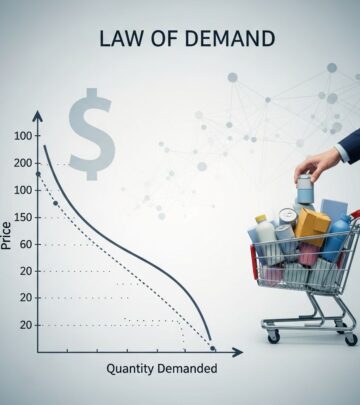
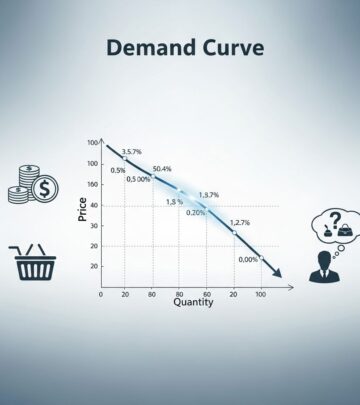
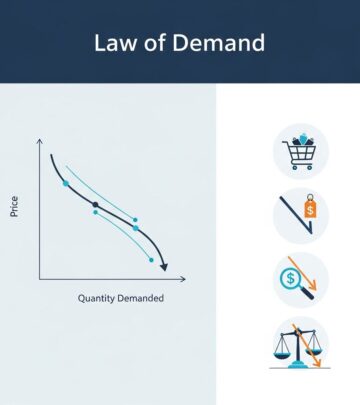
A demand curve represents the relationship between the price of a good or service and the quantity demanded by consumers, assuming all other factors remain constant. This assumption is known as ceteris paribus, which means “all else being equal.” However, in the real world, other factors are rarely constant, which leads to shifts in the demand curve itself.
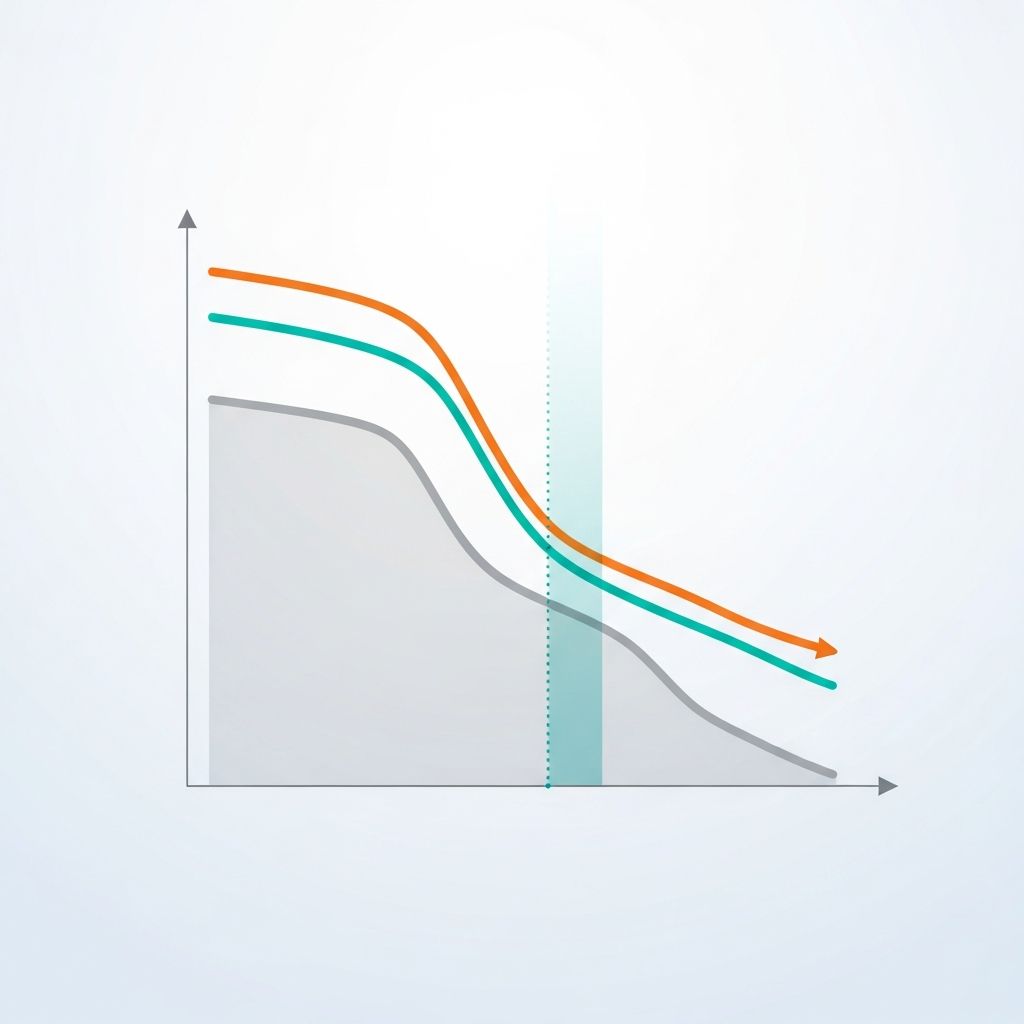
It’s crucial to distinguish between two related but different concepts: movement along a demand curve and shift in the demand curve. Movement along a demand curve occurs when the quantity demanded changes solely due to a change in price, while the curve itself remains stationary. A shift in the demand curve, by contrast, represents a change in the quantity demanded at every price point, caused by factors other than the product’s price.
Movement Along the Demand Curve
When price changes and all other factors remain constant, consumers respond by adjusting their quantity demanded along the same demand curve. This movement can occur in two directions:
- Downward Movement (Expansion of Demand): When price decreases, quantity demanded increases, creating movement down the demand curve from a higher price point to a lower one.
- Upward Movement (Contraction of Demand): When price increases, quantity demanded decreases, creating movement up the demand curve from a lower price point to a higher one.
These movements are direct responses to price changes and don’t represent a shift in the underlying demand for the product.
What Causes Demand Curves to Shift?
A shift in demand occurs when the quantity demanded changes at every price level, caused by factors other than the good’s own price. Understanding these shifters is essential for predicting market behavior and making informed economic decisions. The primary factors that cause demand curves to shift include:
Changes in Consumer Income
One of the most significant demand shifters is a change in consumer income. When consumers have more disposable income, they typically purchase more goods at every price level, causing the demand curve to shift rightward (outward). Conversely, a decrease in income leads to a leftward (inward) shift in the demand curve.
For normal goods (goods that people buy more of as income increases), higher income shifts demand to the right. For inferior goods (goods that people buy less of as income increases), higher income shifts demand to the left. The distinction is crucial for understanding market dynamics in different economic conditions.
Changes in Consumer Preferences and Tastes
Consumer preferences are powerful demand shifters. When tastes change in favor of a particular product, the demand curve shifts to the right. Conversely, when preferences shift away from a product, the demand curve shifts to the left. Preferences can change due to advertising, cultural trends, health consciousness, environmental awareness, or simply changing social norms.
For example, increased health consciousness has shifted demand curves for organic foods to the right while shifting demand for high-sugar beverages to the left. Marketing campaigns can also dramatically influence preferences, causing significant demand shifts regardless of price.
Population Changes
The size and composition of the population directly affect market demand. An increase in population generally shifts demand curves to the right, as more consumers enter the market. Similarly, changes in the demographic composition—such as an aging population or increased immigration—can shift demand curves for specific products.
For instance, an increase in the elderly population might shift demand for healthcare services, mobility aids, and retirement communities to the right, while potentially shifting demand for certain youth-oriented products to the left.
Prices of Related Goods
The prices of substitute and complementary goods significantly influence demand. Substitute goods are products that serve similar purposes (like butter and margarine). When the price of a substitute increases, demand for the original product shifts right. Complementary goods are products typically consumed together (like hot dogs and hot dog buns). When the price of a complement increases, demand for the original product shifts left.
Understanding these relationships is critical for businesses operating in competitive markets. A coffee shop, for instance, must consider how changes in tea prices affect coffee demand.
Consumer Expectations
Expectations about future prices, income, or availability can cause immediate shifts in current demand. If consumers expect prices to rise in the future, they may increase their current demand to avoid paying higher prices later. If they expect income to increase, they might increase current demand for certain goods in anticipation. Conversely, expectations of future price decreases or income reductions can shift demand to the left.
During economic recessions, for instance, consumers may reduce current demand based on expectations of lower future income, shifting demand curves leftward across many product categories.
Rightward vs. Leftward Shifts
Rightward Shift (Increase in Demand)
A rightward shift in the demand curve indicates an increase in demand. At every price point, consumers are willing to purchase a greater quantity than before. This can result from increased income, improved preferences, population growth, decreased prices of complements, increased prices of substitutes, or positive future expectations. A rightward shift is also called an outward shift, forward shift, or upward shift.
Leftward Shift (Decrease in Demand)
A leftward shift in the demand curve indicates a decrease in demand. At every price point, consumers are willing to purchase a smaller quantity than before. This can result from decreased income, worsened preferences, population decline, increased prices of complements, decreased prices of substitutes, or negative future expectations. A leftward shift is also called an inward shift, backward shift, or downward shift.
Distinguishing Between Price Changes and Demand Shifts
A critical mistake many people make is confusing a price change with a demand shift. This distinction is fundamental to microeconomic analysis:
| Aspect | Price Change (Movement Along Curve) | Demand Shift |
|---|---|---|
| What Changes | Only the quantity demanded changes | The entire demand relationship changes |
| Cause | Change in the good’s own price | Change in factors other than price |
| Visual Representation | Movement along the same curve | The curve shifts to a new position |
| Impact on Market | Affects quantity but same relationship | Changes relationship at every price |
| Examples | When coffee price rises, coffee demand falls | When income rises, coffee demand increases |
Market Equilibrium and Demand Shifts
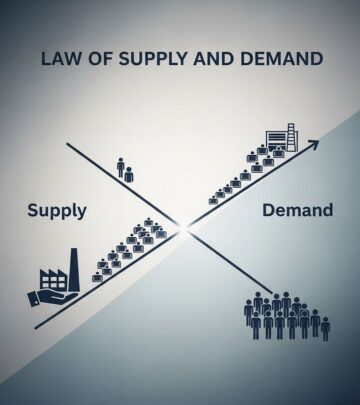
When demand curves shift, market equilibrium—the point where quantity demanded equals quantity supplied—changes. This disequilibrium creates pressure for price and quantity adjustments until a new equilibrium is reached.
When demand shifts right (increase in demand), the new equilibrium typically occurs at a higher price and higher quantity. When demand shifts left (decrease in demand), the new equilibrium typically occurs at a lower price and lower quantity. These adjustments happen as suppliers and consumers respond to the imbalance between quantity demanded and quantity supplied.
Real-World Examples of Demand Shifts
The Housing Market
The housing market provides excellent examples of demand shifts. When interest rates decrease, the monthly mortgage payment for a given home price decreases, making homes more affordable. This causes the demand curve for housing to shift right, even though house prices haven’t changed. Conversely, when interest rates increase, the demand curve shifts left.
Consumer Electronics
The demand for smartphones shifted dramatically to the right when they were introduced and became status symbols. Later, as preferences evolved and alternatives emerged, demand patterns changed further. Additionally, as incomes increased in developing countries, demand for electronics shifted right in those markets.
Organic Food Products
Over the past two decades, increased consumer awareness about health and environmental issues has shifted demand for organic foods to the right, even as prices remained relatively high compared to conventional alternatives.
The Ceteris Paribus Assumption in Practice
The assumption that all other factors remain constant when drawing a demand curve is rarely true in reality. In practice, multiple factors change simultaneously. Understanding the individual effects of each factor requires isolating them conceptually while recognizing that in real markets, complex interactions occur.
Economists and business analysts must carefully consider which factors are likely to shift demand for their products or markets. By understanding demand shifters, businesses can better forecast sales, adjust production levels, and make strategic pricing and marketing decisions.
Frequently Asked Questions
Q: What is the difference between a shift in demand and a change in quantity demanded?
A: A change in quantity demanded occurs when price changes while other factors remain constant, resulting in movement along the same demand curve. A shift in demand occurs when factors other than price change, causing the entire curve to move to a new position.
Q: How do substitute goods affect demand curves?
A: When the price of a substitute good increases, consumers switch to purchasing the original product more, shifting its demand curve to the right. When the price of a substitute decreases, consumers switch away, shifting the original product’s demand curve to the left.
Q: Can a demand curve shift even if prices don’t change?
A: Yes, absolutely. Demand curves shift due to changes in income, preferences, population, prices of related goods, or expectations—none of which involve the product’s own price changing.
Q: Why is understanding demand shifts important for businesses?
A: Understanding demand shifts helps businesses forecast sales, adjust inventory, make pricing decisions, plan marketing strategies, and anticipate market changes. This knowledge enables better strategic planning and improved profitability.
Q: How do economic recessions affect demand curves?
A: Economic recessions typically shift demand curves left for most goods as consumer income decreases and negative expectations about future income reduce current purchasing. However, demand for inferior goods might shift right during recessions.
Q: Can multiple factors shift the demand curve simultaneously?
A: Yes, in real markets multiple factors change at once. Understanding individual shifters helps analysts predict the net effect on demand, though isolating each factor’s impact requires careful analysis.
References
- Principles of Microeconomics 3e: Shifts in Demand and Supply for Goods and Services — OpenStax. 2024. https://socialsci.libretexts.org/Bookshelves/Economics/Microeconomics/Principles_of_Microeconomics_3e_(OpenStax)/03:_Demand_and_Supply/3.02:_Shifts_in_Demand_and_Supply_for_Goods_and_Services
- What Factors Change Demand? — Khan Academy. https://www.khanacademy.org/economics-finance-domain/microeconomics/supply-demand-equilibrium/demand-curve-tutorial/a/what-factors-change-demand
- Movement Along Demand Curve and Shift in Demand Curve — GeeksforGeeks. https://www.geeksforgeeks.org/microeconomics/movement-along-demand-curve-and-shift-in-demand-curve/
- Demand Curve Shift — Fiveable AP Microeconomics. https://fiveable.me/key-terms/ap-micro/demand-curve-shift
- Worked Example: Shift in Demand — Lumen Learning SUNY Microeconomics. https://courses.lumenlearning.com/suny-microeconomics/chapter/worked-example-shift-in-demand/
- What Shifts the Demand Curve? — Marginal Revolution University. https://mru.org/courses/principles-economics-microeconomics/what-shifts-demand-curve
Similar Articles








Read full bio of Sneha Tete