Shielding Your Wallet from Gas Pump Skimmers
Discover proven strategies to spot and avoid credit card skimmers at fuel stations, keeping your financial data secure during every refuel.
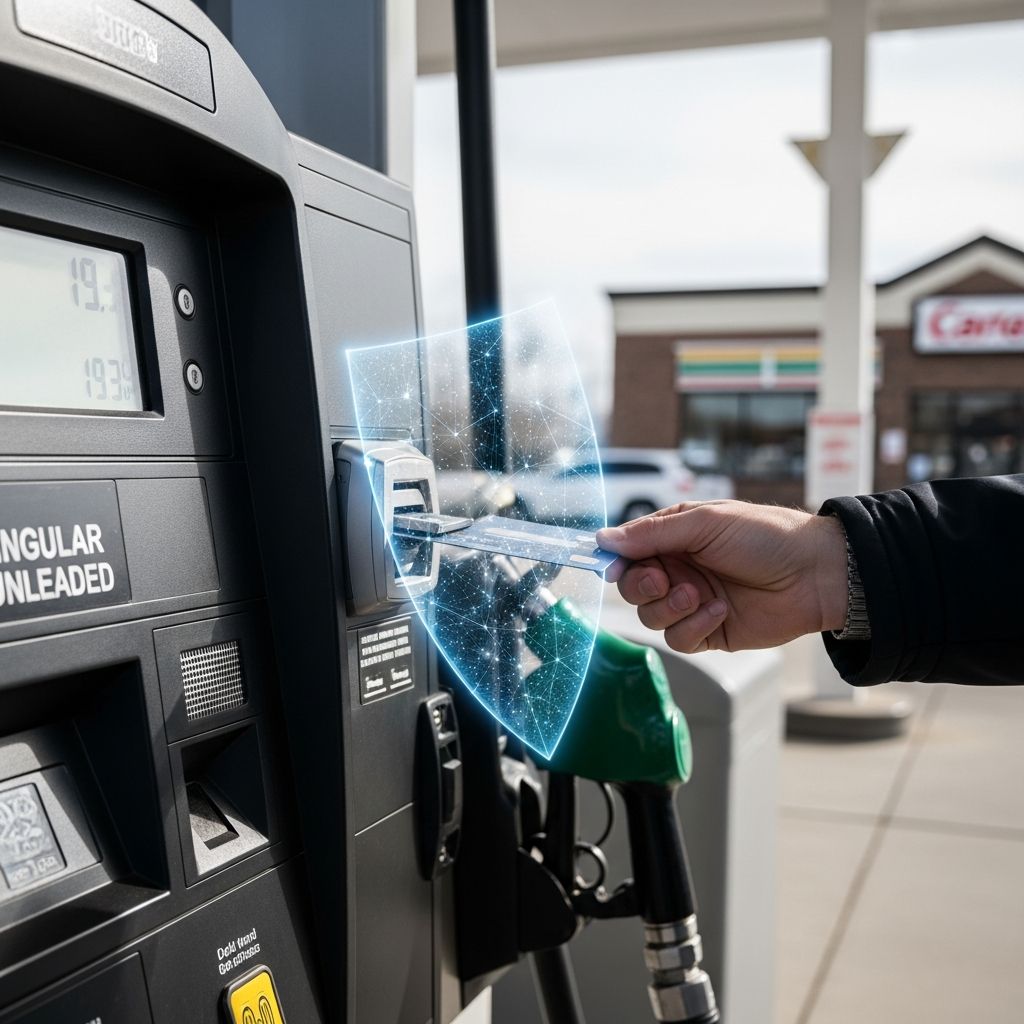
Gas station credit card skimmers pose a significant threat to consumers, capturing card details through illicit devices attached to payment terminals. These fraud tools lead to billions in annual losses for individuals and businesses alike, with reports indicating sharp rises in compromised accounts.
The Growing Danger of Fuel Station Fraud
Criminals target gas pumps because they offer easy access to unattended machines, allowing installation of skimming hardware that records magnetic stripe or chip data. Unlike indoor retail points, outdoor pumps are vulnerable to tampering without immediate detection. The Federal Bureau of Investigation notes that skimming inflicts over a billion dollars in damages yearly across the U.S.
Recent statistics reveal a 759% surge in credit compromise events from 2021 to 2022, alongside a 501% increase in detected fraudulent cards, signaling an escalation in sophisticated attacks on payment systems. Thieves exploit these opportunities to harvest personal information, which they sell or use for unauthorized purchases and identity theft.
Understanding Skimmer Mechanics and Types
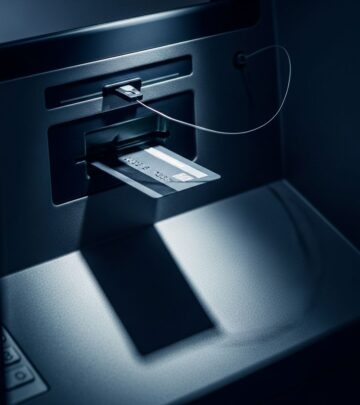
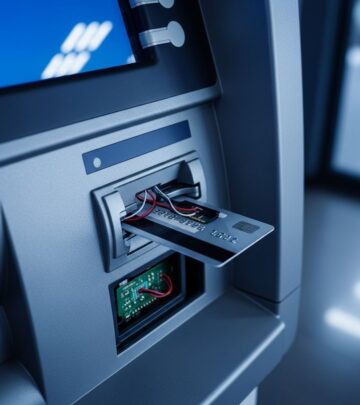
Skimmers are compact devices that overlay legitimate card readers, mimicking their appearance while secretly logging data. Basic models clip onto magnetic stripe readers, but advanced versions, known as shimmers, target EMV chip cards by intercepting encrypted signals during insertion.
Additional components include tiny cameras or keyloggers positioned above PIN pads to capture entry details. These hidden elements blend seamlessly, often evading casual glances. Internal skimmers connect directly to a pump’s wiring, making external detection challenging without disassembly.
- External overlays: Fake card slots that feel loose or bulky when tugged.
- Internal hardware: Wired devices hidden behind access panels.
- Surveillance add-ons: Pinhole lenses recording keystrokes.
Recognizing these distinctions empowers users to assess risks before transacting.
Visual Inspection Techniques for Pump Safety
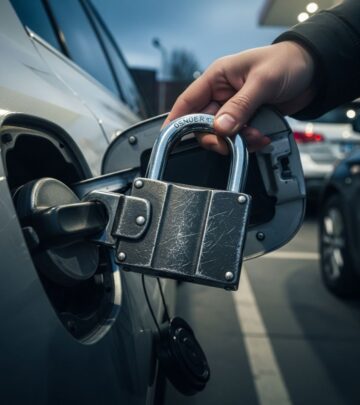
Before fueling, perform a quick but thorough check of the payment area. Start with the pump’s access panel, typically a lockable door covering internal components. It should appear intact, with no signs of prying, scratches, or mismatched paint.
Tamper-evident seals, often featuring messages like “VOID OPEN” upon removal, provide crucial alerts. If broken or absent, avoid the pump and notify staff. Next, examine the card reader: legitimate ones fit flush without protruding edges. Gently tug the slot; undue movement suggests an overlay.
| Normal Pump Feature | Skimmer Warning Sign |
|---|---|
| Smooth, seamless card slot | Loose, wobbly, or oversized reader |
| Secure, sealed panel door | Broken seals or forced entry marks |
| Standard keypad alignment | Bulging areas or added fixtures above keys |
Compare adjacent pumps for consistency; anomalies stand out in well-maintained stations.
Optimal Payment Choices to Bypass Risks
Contactless payments via tap-to-pay represent the safest option at modern pumps. These NFC-based transactions transmit tokenized data, evading traditional skimmers entirely. Load cards into digital wallets like Apple Pay or Google Pay for an extra encryption layer.
If unavailable, pay inside the station using cash or monitored terminals. This sidesteps outdoor vulnerabilities and places transactions under employee oversight. For card use outside, select credit over debit to limit direct account access, and always choose the “credit” run option to skip PIN entry.
- Prioritize pumps nearest the building or cameras for visibility.
- Cover the keypad hand if PIN input is unavoidable.
- Opt for well-lit stations with surveillance.
Leveraging Technology and Station Features
Many stations now integrate mobile apps for pump payments, generating unique QR codes or tokens per transaction. These app-based methods render stolen data useless. EMV chip standards further bolster protection; properly implemented, they prevent magnetic stripe cloning from chip reads.
Gas station operators enhance security with tamper-evident labels on readers and panels. These affordable stickers reveal manipulation through residue or patterned text, deterring criminals and alerting users. PCI compliance mandates such measures, including access logs and regular audits, ensuring robust defenses.
Post-Transaction Vigilance and Response
Monitor accounts daily via apps or alerts for irregularities. Set notifications for transactions over set amounts to catch issues promptly. Upon spotting unauthorized activity, contact issuers immediately to dispute charges and freeze cards.
Freeze credit reports through bureaus to block new account openings. Enable two-factor authentication on banking apps and consider virtual card numbers for high-risk uses.
Business Strategies for Pump Protection
Station owners can deploy layered defenses: install anti-skimmer tech like jamming devices, conduct frequent inspections, and train staff on tampering signs. Custom tamper labels across access points create verifiable security chains.
Compliance with PCI standards—such as restricting data access and testing systems—mitigates liability and builds customer trust.
FAQs: Gas Pump Skimmer Protection
What should I do if I suspect a skimmer?
Cease use, inform station personnel, and report to local authorities or FBI tips line. Use another pump or pay inside.
Are chip cards immune to skimming?
No, but EMV protocols make cloning harder; shimmers target chips, yet banks’ safeguards often neutralize stolen data.
Is tap-to-pay truly secure?
Yes, it uses dynamic tokens invalid for reuse, bypassing physical readers.
How often do gas stations check pumps?
Varies; diligent owners inspect daily, guided by PCI rules.
Can I get money back from fraud?
Credit cards offer zero-liability; debit requires prompt reporting, typically within 60 days.
By adopting these habits, consumers drastically cut skimming exposure. Awareness transforms routine refuels into secure routines, preserving financial peace.
References
- How a 20¢ Label Can Stop Gas Station Skimmers — NovaVision Inc. 2023. https://www.novavisioninc.com/articles/how-a-20-cent-label-can-stop-gas-station-skimmers/
- How To Spot and Avoid a Credit Card Skimmer at the Gas Pump — Security National Bank. 2023-02-16. https://www.snbonline.com/about/news/fraud-alert-how-to-detect-a-card-skimmer-
- How to Protect Yourself from Credit Card Skimmers at Gas Stations — Butler Ford Inc. 2025-05-23. https://www.butlerfordinc.com/blog/2025/may/23/protect-yourself-from-credit-card-skimmers-gas-station.htm
- Protect the Pump – Tap the App at the pump — Texas Department of Licensing and Regulation. N/A. https://www.tdlr.texas.gov/fmq/protectthepump.htm
- Ten Tips to Prevent Card Skimming Fraud — 1st United Credit Union. N/A. https://www.1stunitedcu.org/more-for-you/financial-wellness/ten-tips-to-prevent-card-skimming-fraud
- How to Protect Yourself Against Card Skimmers at Gas Stations — Discover. N/A. https://www.discover.com/credit-cards/card-smarts/how-to-protect-yourself-against-card-skimmers/
Similar Articles








Read full bio of medha deb