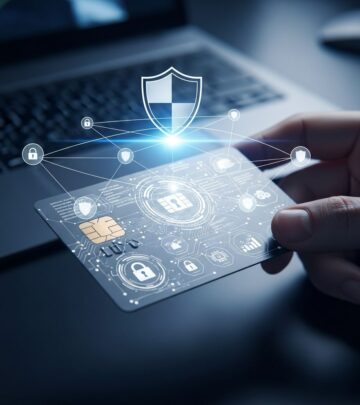
Shielding Your Cards: Top Fraud Prevention Tactics for 2026
Discover proven strategies and cutting-edge tech to protect your credit cards from AI-driven scams and fraud in 2026.
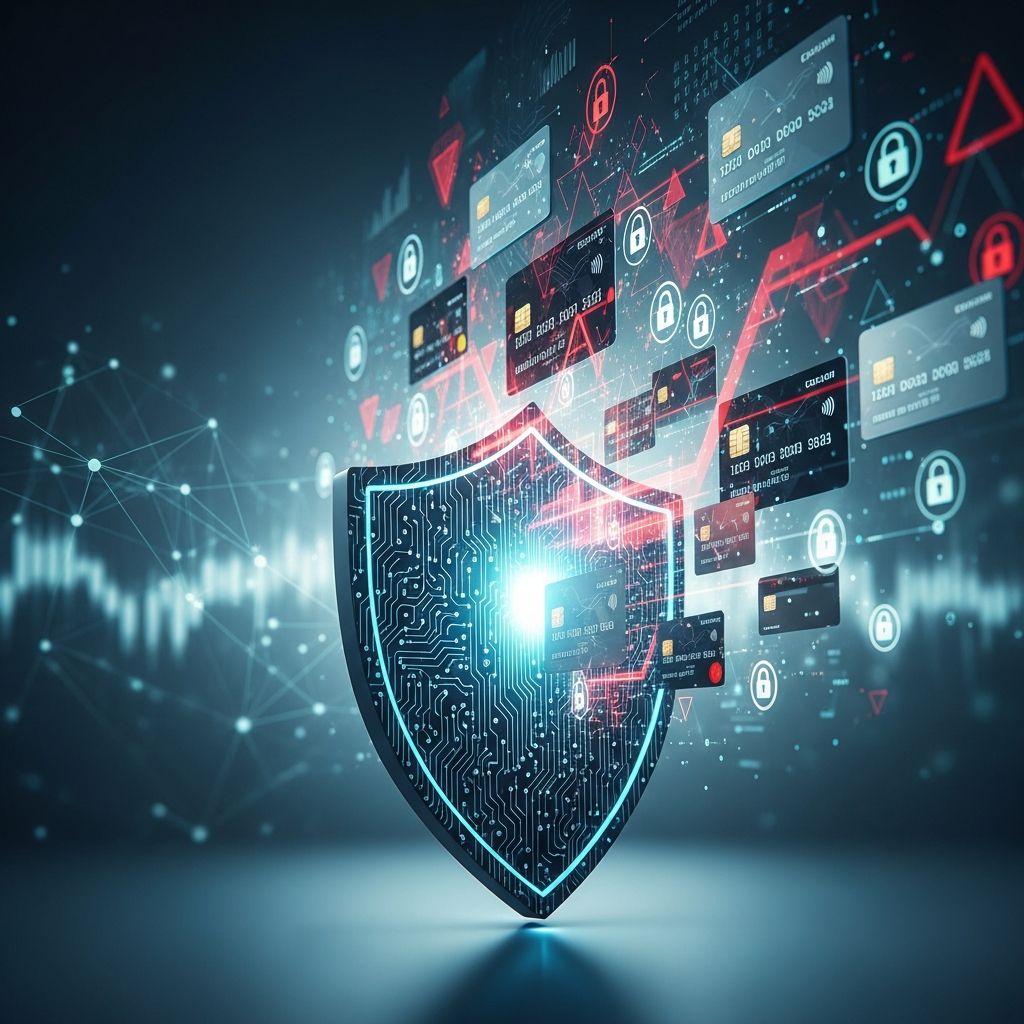
Credit card fraud is surging in 2026, fueled by advanced AI tools that enable sophisticated scams like synthetic identities and account takeovers. Financial institutions and individuals must adopt dynamic defenses to stay ahead. This guide outlines practical, technology-backed methods to safeguard your accounts, drawing from industry-leading innovations and best practices.
Understanding the Evolving Threat Landscape
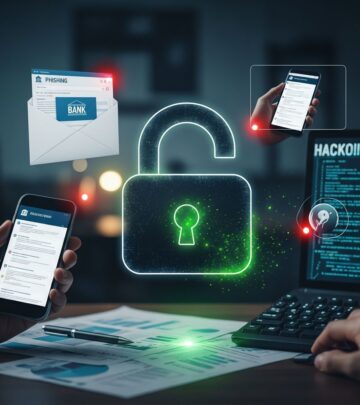
Fraudsters in 2026 leverage generative AI for hyper-realistic phishing, deepfake voices, and automated attacks that bypass traditional security. Trends include first-party fraud, where applicants use stolen data, and real-time payment exploits. Banks report exploding crime waves, with AI crime syndicates scaling operations globally.
Key risks encompass account takeover (ATO), where credentials are stolen via malware or social engineering, and synthetic identity fraud blending real and fake data to build fraudulent histories. Behavioral anomalies, once subtle, now demand real-time detection as fraud evolves faster than static rules.
Embracing Passwordless Authentication with Passkeys
Passwords are obsolete; passkeys, rooted in FIDO2 standards, offer phishing-resistant protection using device-bound cryptographic keys. These never leave your device, making them impossible to intercept during login or checkout.
Major networks like Mastercard and Visa prioritize passkeys, with goals to phase out manual entry by 2030. For consumers, enable passkeys on supported browsers and apps—your phone’s biometrics unlock them securely. Pair with multi-factor authentication (MFA) for legacy sites, but prioritize providers offering passwordless options.
- Setup tip: Use autofill on iOS/Android for seamless adoption.
- Benefit: Reduces ATO risk by 99% per industry tests.
Harnessing Behavioral Biometrics for Continuous Vigilance
Unlike one-time logins, behavioral biometrics analyze ongoing interactions—typing cadence, mouse swipes, device tilt, and pressure sensitivity—to create a unique user profile. Deviations trigger alerts, catching imposters even with valid credentials.
In 2026, this tech integrates into banking apps, flagging unusual patterns like erratic swipes from a fraudster abroad. Banks deploy it for real-time risk scoring, denying suspicious sessions without user friction. Consumers benefit via apps that learn your habits, notifying you of anomalies instantly.
| Traditional Security | Behavioral Biometrics |
|---|---|
| One-time checks | Continuous monitoring |
| Easy to bypass | Hard to mimic |
| Password-focused | Pattern-based |
Real-Time Monitoring and Smart Alerts
Instant notifications are your first defense. Set alerts for transactions over set amounts, unusual locations, or off-hours activity. Modern apps use machine learning to learn your patterns, flagging deviations like a $500 charge in another country.
For businesses, role-based limits cap exposure—e.g., $1,000 monthly per employee. Virtual cards generate single-use numbers for vendors, auto-expiring post-transaction to isolate breaches. Personal users: Toggle cards off during travel via digital wallets.
- Customize alerts: High-value, international, or rapid succession buys.
- Review daily: Scan apps for mismatches before statements arrive.
Virtual Cards and Granular Spending Controls
Virtual cards revolutionize security by issuing disposable numbers tied to specific merchants or limits. Set expiration, category locks (e.g., no gas), and spending caps. If compromised, regenerate without affecting your primary card.
Businesses layer controls: Departmental budgets, pre-approvals for travel over $500. Platforms with ERP sync automate audits, closing gaps fraudsters exploit. Individuals: Use browser extensions for one-click virtual issuance.
Proactive Habits to Minimize Exposure
Technology alone isn’t enough; vigilance matters. Avoid public Wi-Fi for banking, install antivirus, and update devices. Shred physical statements and inspect ATMs/gas pumps for skimmers—jiggle readers for tampering.
Train yourself on phishing: Hover links before clicking, verify caller IDs independently. Use password managers for unique, complex credentials across sites. For businesses, quarterly sessions on recognition and reporting keep teams sharp.
Advanced AI Defenses: Agentic Tools and Risk Orchestration
Agentic AI empowers users with scam detectors—scan suspicious texts/emails for malice before acting. Banks orchestrate risks: Low=approve, mid=review, high=block, using metadata like IP and history.
Longitudinal monitoring tracks emerging fraud, like credit line bust-outs. Consortiums share intelligence on synthetics, hardening onboarding. In 2026, expect AI to predict intent anomalies, not just transactions.
Responding Swiftly to Suspected Fraud
Time is critical: Contact issuers immediately to freeze cards. Change passwords, monitor all accounts, and file FTC reports. Dispute charges within 60 days for reimbursements—most policies cover verified fraud.
Post-incident: Enable all alerts, audit recent activity, and consider credit freezes. Businesses: Isolate affected cards, audit workflows.
FAQs: Credit Card Fraud Prevention Essentials
What are passkeys, and why switch now?
Passkeys use public-key crypto for secure, phishing-proof logins. They’re essential in 2026 as AI scams target passwords.
How do virtual cards prevent fraud?
They limit exposure with unique numbers, caps, and locks, containing breaches.
Can behavioral biometrics catch all fraud?
No, but they excel at ATO detection via interaction analysis.
What’s the best response to fraud alerts?
Verify independently, freeze card, report promptly.
Are free apps enough for monitoring?
Bank apps with ML suffice for most; prioritize PCI-compliant ones.
Building a Fraud-Resistant Future
Combine tech like passkeys and biometrics with habits like alert checks for layered defense. In 2026, proactive adaptation beats reaction—stay informed via bank updates. Secure finances start with awareness and action.
References
- The Credit Card AI Crime Wave, and How to Fight Back in 2026 — The Financial Brand. 2026. https://thefinancialbrand.com/news/credit-card-trends/the-credit-card-ai-crime-wave-and-how-to-fight-back-in-2026-194713
- How to Prevent Business Credit Card Fraud in 2026 — Brex. 2026. https://www.brex.com/spend-trends/corporate-credit-cards/business-credit-card-fraud-prevention
- 10 Effective Solutions for Fraud Prevention in 2026 — VALID Systems. 2026. https://validadvantage.com/blog/fraud-prevention-solutions
- Stay Safe in 2026: Your Guide to Fraud & Identity Theft Protection — Advia Credit Union. 2026-01-22. https://www.adviacu.org/resources/information-center/advia-financial-blog/advantageswithadvia/2026/01/22/stay-safe-in-2026–your-guide-to-fraud—identity-theft-protection
- Fraud Trends in 2026: What’s Happening and What to Know — RippleShot. 2026. https://www.rippleshot.com/post/fraud-trends-in-2026-whats-happening-and-what-to-know
- Fraud Is Evolving: How to Help Stay One Step Ahead in 2026 — Opportunity Bank. 2026. https://opportunitybank.com/FraudPrevention2026
- Real-time fraud detection in 2026: The secrets high … — Nuvei. 2026. https://www.nuvei.com/posts/real-time-fraud-detection-strategies-for-2026-boost-approvals-now
Similar Articles








Read full bio of Sneha Tete