Shielding Seniors from Phone Scams
Essential strategies to safeguard aging parents against deceptive phone calls and robocalls targeting their vulnerability.

Phone scams pose a significant threat to seniors, who often face heightened risks due to factors like cognitive decline, trust in authority, and accumulated savings. Scammers exploit these vulnerabilities through unsolicited calls demanding personal data or payments. This guide outlines comprehensive strategies to fortify defenses, drawing from reliable protection methods and official resources.
Understanding the Rising Threat of Phone Fraud Against Older Adults
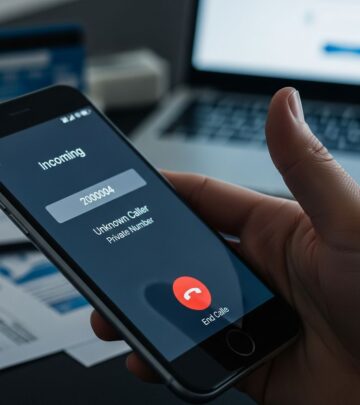
Seniors are prime targets because they tend to be more trusting, less familiar with digital tactics, and possess financial assets built over decades. Cognitive challenges, such as those from dementia, further impair judgment, making it harder to spot deception. Robocalls and spoofed numbers flood phones daily, with scammers impersonating officials to instill urgency.
Government data highlights the scale: financial scams against those over 60 are surging, prompting dedicated hotlines for support. Early awareness is crucial—family members must recognize signs like repeated unsolicited contacts or pressure for immediate action.
Building Awareness: Key Indicators of Fraudulent Calls
Recognizing scam patterns empowers seniors and caregivers. Common red flags include:
- Unsolicited calls from unknown numbers claiming urgency, such as threats of arrest or service cutoffs.
- Requests for sensitive details like Social Security numbers, bank info, or payments via gift cards.
- Spoofed caller IDs mimicking banks, government agencies, or tech support.
- High-pressure tactics refusing callbacks to verified numbers.
Legitimate entities never demand instant payments or data over the phone. Training seniors to pause and verify transforms potential victims into informed defenders.
Conversations That Matter: Starting the Protection Dialogue
Open talks with aging parents lay the foundation for safety. Approach gently: express concern without alarming, and share real-world examples of scams. Discuss their daily routines to identify risks, like answering unknown calls.
Make it ongoing—review monthly, adapting to new threats. Involve siblings or friends for reinforcement. This builds trust, encouraging them to consult before responding to suspicious contacts.
Fortifying Devices: Essential Tech Safeguards
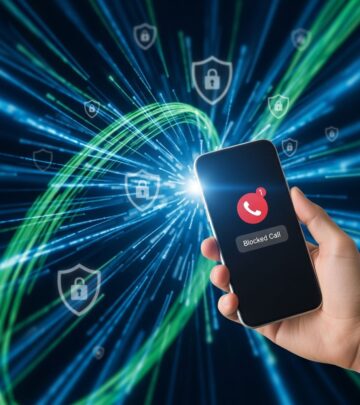
Modern phones offer built-in defenses against robocalls and spam. Here’s how to activate them:
| Device Type | Feature | Setup Steps | Benefits |
|---|---|---|---|
| iPhone | Silence Unknown Callers | Settings > Phone > Silence Unknown Callers (toggle on) | Sends non-contacts straight to voicemail |
| Android/Google Pixel | Caller ID & Spam Protection | Phone app > Settings > Caller ID & spam | Filters known scams automatically |
| Carrier Services (AT&T) | Scam Shield | App download or carrier portal activation | Advanced blocking, voicemail-only for unknowns |
| Specialized Phones (e.g., RAZ Memory) | Contact-Only Mode | Parental controls via app | Blocks all non-approved callers |
These tools drastically cut unwanted calls. For seniors with memory issues, opt for maximum restriction, routing everything unfamiliar to voicemail. Carrier apps like those from CTIA-listed providers add layers without complexity.
Enhancing Privacy: Mail and Document Security
Scams often extend beyond phones to stolen mail. Redirect statements to digital scans via services, keeping physical docs in safes. Request duplicate bank alerts sent to family—monitor for anomalies like unusual withdrawals.
Secure passports, tax forms, and IDs digitally or locked away. This prevents in-person fraud, especially with caregivers present.
Monitoring Finances: Proactive Oversight Tools
Identity protection services scan for threats like unauthorized credit applications. Options include Aura, Identity Guard, and Lifelock by Norton, which notify of risks in real-time. AARP discounts make them accessible.
Combine with bank alerts for transactions. For cognitive decline, a trusted power of attorney ensures oversight without overreach—discuss trust early.
Empowering Seniors: Daily Habits for Scam Resistance
Instill these habits:
- Check caller ID; ignore unfamiliar numbers.
- Never share info—hang up and call back officially.
- Use Do Not Call Registry for legit telemarketers.
- Report suspicious texts via carrier spam tools.
- Consult family before any wire or gift card requests.
Role-play scenarios to build reflexes. Caution against fear tactics from fake agencies.
When Scams Strike: Swift Reporting and Recovery
Act fast if targeted. Contact the National Elder Fraud Hotline at 833-372-8311 (833-FRAUD-11), staffed Monday–Friday, 10 a.m.–6 p.m. ET. Case managers guide reporting to FTC, police, or Adult Protective Services.
Beware Hotline impersonators demanding PII—verify independently. File FTC reports post-incident. Local options include state attorneys general or sheriffs.
Legal and Long-Term Planning for Protection
Establish power of attorney naming a reliable advocate before incapacity. This legal tool allows financial management if needed, countering family-perpetrated fraud risks.
Review estate plans annually. Community resources like senior centers offer workshops.
FAQs: Common Questions on Senior Phone Scam Defense
What if a senior receives a scam call claiming to be from the government?
Hang up immediately. Verify by contacting the agency directly from official sites, never the caller’s number.
Are robocall blockers free?
Yes, most carriers and phones offer free tools; apps may have premium tiers.
How to help a parent with dementia?
Maximize blocking, monitor accounts, and use simple phones limiting to contacts only.
What’s the best identity theft service for seniors?
Services like Norton Lifelock provide alerts and recovery support; check AARP partnerships.
Who to call after a scam loss?
National Elder Fraud Hotline first, then FTC and local law enforcement.
Additional Resources for Ongoing Vigilance
Leverage FTC infographics on imposter scams and CFPB advisories for long-term fraud plans. Wireless trade groups list verified apps. Stay updated via trusted newsletters.
Prevention evolves—regular tech checks and family check-ins sustain safety.
References
- How to Keep a Loved One With Cognitive Decline Safe From Scams — AARP. 2023. https://www.aarp.org/money/scams-fraud/protect-older-parents-from-scams/
- Phone Scams: A Guide to Protecting Seniors and How to Stay Safe — RAZ Mobility. 2025-05-22. https://www.razmobility.com/assistive-technology-blog/protecting-seniors-experiencing-cognitive-decline-a-guide-to-common-phone-scams-and-how-to-stay-safe/
- National Elder Fraud Hotline — Office for Victims of Crime, U.S. Department of Justice. Accessed 2026. https://ovc.ojp.gov/program/stop-elder-fraud/providing-help-restoring-hope
- Protecting Older Adults from Fraud and Financial Exploitation — Consumer Financial Protection Bureau. Accessed 2026. https://www.consumerfinance.gov/consumer-tools/educator-tools/resources-for-older-adults/protecting-against-fraud/
- Protect Your Loved Ones from Scams Targeting Seniors — Virginia Credit Union. Accessed 2026. https://www.vacu.org/learn/privacy-and-security/protect-your-loved-ones-from-scams-targeting-seniors
Similar Articles








Read full bio of medha deb