Shenandoah University: Rankings, Programs & Campus Life
Explore Shenandoah University's academic excellence, top-ranked programs, and vibrant campus community.
Shenandoah University: A Comprehensive Profile
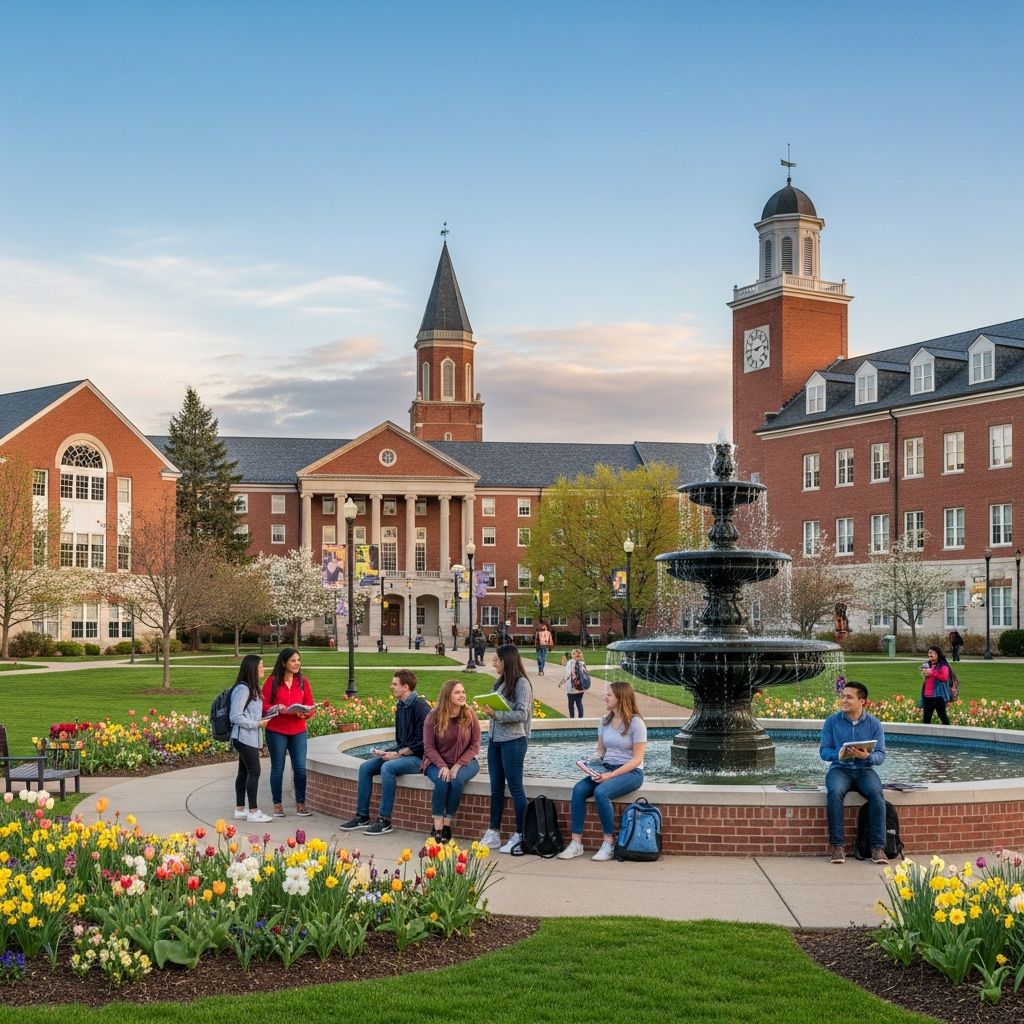
Shenandoah University, located in Winchester, Virginia, has established itself as a prominent institution in American higher education. With a commitment to academic excellence, innovative teaching methods, and student success, Shenandoah continues to attract students from across the nation. The university offers a diverse range of undergraduate and graduate programs designed to prepare students for meaningful careers and engaged citizenship in an increasingly complex world.
University Rankings and Academic Standing
Shenandoah University maintains a strong position among American universities across multiple ranking systems. According to the most recent data, the university is ranked as the third-best private national university in Virginia and 301st nationally by U.S. News & World Report for 2025. This reflects the institution’s commitment to continuous improvement and academic quality. The university has demonstrated remarkable progress in recent years, climbing significantly in various ranking metrics and earning recognition for its focus on student outcomes and institutional excellence.
On College Factual’s 2024 Best Colleges list, Shenandoah is ranked #302 out of 2,217 schools for overall quality, placing it in the top 15% of all schools in the nation. Additionally, the university is ranked #9 out of 63 schools in Virginia, further solidifying its reputation as a leading educational institution in the state.
Nationally Recognized Graduate and Professional Programs
Shenandoah University’s graduate and professional programs have garnered exceptional recognition from prestigious ranking organizations. The university’s strength lies particularly in health-related fields, where several programs rank among the best in the nation.
Top-Ranked Health Science Programs
The university’s Nurse-Midwifery program stands as a national leader, ranking first in Virginia and 32nd nationwide by U.S. News & World Report. Similarly, the Physician Assistant Studies program ranks first among Virginia private universities and 21st nationally, making it one of the most respected PA programs in the country. The School of Pharmacy is ranked tops among private colleges in Virginia and 86th nationwide, demonstrating the program’s commitment to pharmaceutical education excellence.
The Physical Therapy and Occupational Therapy programs also maintain strong national standings. According to recent graduate school rankings, Physical Therapy ranks 83rd nationally, while Occupational Therapy ranks 108th nationally, showcasing the university’s dedication to allied health education.
Outstanding Nursing Programs
Shenandoah’s nursing programs have achieved remarkable recognition. The Bachelor of Science in Nursing ranks second among private colleges in Virginia and 294th nationwide by U.S. News & World Report for 2025. The Master’s-level nursing program ranks second among private universities in Virginia and 109th in the United States, reflecting the quality of graduate nursing education offered at the institution. These rankings demonstrate the university’s commitment to preparing highly skilled nursing professionals.
Diverse Academic Offerings
Beyond health sciences, Shenandoah University offers comprehensive academic programs across multiple disciplines. The university’s most popular majors according to recent data include Nursing with 125 bachelor’s degrees awarded, Business Administration & Management with 53 degrees, and Physiology & Pathology Sciences with 44 degrees. The breadth of academic offerings ensures that students can pursue their diverse interests and career aspirations.
The university also maintains strong recognition in specialized fields. Niche rankings identify Shenandoah as the #50 best college for music in America and #54 for kinesiology and physical therapy programs, highlighting the institution’s excellence across creative and scientific disciplines.
Campus Environment and Student Life
Shenandoah University’s Winchester, Virginia campus provides students with a vibrant and supportive academic environment. The university welcomed its largest first-year class with 518 new students in recent years, alongside 296 transfer students and 879 graduate students, demonstrating strong enrollment growth. Currently, approximately 1,000 students reside in residence halls on the main campus, creating an engaged residential community.
The university offers both in-person and online classes, providing flexibility for students with varying educational needs and circumstances. This hybrid approach to education has been particularly valuable for non-traditional students and those requiring scheduling flexibility.
Faculty Resources and Class Size
A defining characteristic of the Shenandoah experience is the emphasis on intimate class sizes and close faculty interaction. The university’s student-to-faculty ratio stands at 9:1, well below national averages, ensuring personalized attention for students. Notably, 67% of classes contain fewer than 20 students, while only 1% of classes exceed 50 students, reflecting the institution’s commitment to quality classroom instruction.
Shenandoah’s faculty resources ranking has improved significantly, climbing from 120 to 84 among national universities. This ranking measures multiple factors including class size, faculty salaries, faculty with terminal degrees in their fields, and the proportion of full-time faculty members. The university’s investment in faculty excellence directly translates to enhanced student learning experiences.
Student Retention and Graduation Success
Shenandoah University demonstrates strong commitment to student success, as evidenced by its retention and graduation metrics. The university’s first-year student retention rate reaches 82%, significantly higher than many peer institutions. This metric reflects not only academic quality but also the university’s dedication to student support services and campus engagement.
The university has also made substantial strides in social mobility, a key indicator of institutional effectiveness. Social mobility measures how well schools graduate students who received federal Pell Grants, indicating support for economically disadvantaged students. Shenandoah’s two-year average graduation rate for Pell Grant recipients increased from 46% to 52%, demonstrating meaningful progress in supporting low-income students’ educational attainment.
Admissions and Student Profile
Shenandoah University maintains selective admissions standards while remaining accessible to qualified students from diverse backgrounds. The university evaluates applications holistically, considering academic achievement, standardized test scores, extracurricular involvement, and personal characteristics. For prospective students, understanding the admissions process and requirements is essential to successful application.
The university’s commitment to diversity and inclusion is reflected in its enrollment practices and campus initiatives. The institution actively recruits and supports students from underrepresented backgrounds, recognizing that diverse perspectives enrich the educational experience for all community members.
Financial Aid and Affordability
Making college education affordable remains a priority for Shenandoah University. The institution offers comprehensive financial aid packages combining merit scholarships, need-based aid, federal student loans, and work-study opportunities. Students and families are encouraged to complete the Free Application for Federal Student Aid (FAFSA) to determine eligibility for need-based assistance.
The university’s scholarship programs recognize academic achievement, athletic talent, artistic abilities, and demonstrated financial need. Merit scholarships for high-achieving students can significantly reduce out-of-pocket educational costs. Additionally, veteran students benefit from GI Bill benefits and specialized veteran support services.
Peer Assessment and Institutional Reputation
Shenandoah’s peer assessment score, which reflects how other colleges and universities view the institution, has improved from 1.9 to 2.1 in recent assessments. This metric demonstrates growing recognition of Shenandoah’s academic quality and institutional effectiveness among higher education professionals. The improvement reflects the university’s efforts in advancing student outcomes, graduation rates, and social mobility initiatives.
Graduate Outcomes and Career Preparation
Shenandoah University’s graduates demonstrate strong career outcomes across multiple fields. For example, recent data shows that nursing graduates earn an average salary of $63,690, while business administration graduates average $37,313 in starting salaries. These figures reflect the practical value of Shenandoah’s education and the strong demand for graduates in their respective fields.
The university maintains strong connections with employers and actively facilitates internship and experiential learning opportunities. Career services offices provide comprehensive support including resume development, interview preparation, and job placement assistance. Alumni networks extend across industries nationwide, creating valuable connections for recent graduates.
Accreditation and Quality Assurance
Shenandoah University maintains regional accreditation and numerous program-specific accreditations from recognized accrediting bodies. This accreditation status ensures that academic programs meet rigorous quality standards and that credentials are recognized nationally and internationally. Students can pursue education with confidence that their degrees meet established quality benchmarks.
Academic Support and Student Services
Beyond classroom instruction, Shenandoah provides comprehensive student support services designed to promote academic success. Writing centers, tutoring services, and academic coaching help students develop essential skills. Disability services ensure accommodations for students with documented needs, promoting inclusive education practices.
Mental health and wellness services address the holistic needs of student populations. Counseling, health services, and wellness programming support student wellbeing and resilience. Residence life staff create supportive living communities that extend learning beyond the classroom.
Frequently Asked Questions
Q: What is Shenandoah University’s overall ranking nationally?
A: Shenandoah University is ranked 301st in the nation as a private national university by U.S. News & World Report for 2025, and ranked #302 out of 2,217 schools nationally for overall quality by College Factual’s 2024 rankings, placing it in the top 15% of all schools.
Q: Which programs at Shenandoah are ranked highest nationally?
A: Shenandoah’s Nurse-Midwifery program ranks 32nd nationally, Physician Assistant Studies ranks 21st nationally, Pharmacy ranks 86th nationally, and Physical Therapy ranks 83rd nationally according to U.S. News & World Report rankings.
Q: What is the student-to-faculty ratio at Shenandoah University?
A: Shenandoah University maintains a 9:1 student-to-faculty ratio, significantly below national averages, ensuring personalized attention and close interaction between students and faculty members.
Q: What percentage of classes at Shenandoah have fewer than 20 students?
A: Approximately 67% of classes at Shenandoah University contain fewer than 20 students, with only 1% of classes exceeding 50 students, reflecting the institution’s commitment to intimate classroom sizes.
Q: What is Shenandoah’s first-year retention rate?
A: Shenandoah’s first-year student retention rate is 82%, significantly higher than many peer institutions, reflecting the quality of student life and support services.
Q: How does Shenandoah support low-income students?
A: Shenandoah has demonstrated strong social mobility outcomes, with the two-year average graduation rate for Pell Grant recipients increasing from 46% to 52%, indicating meaningful institutional commitment to supporting economically disadvantaged students.
Q: What are the most popular majors at Shenandoah University?
A: The most popular majors include Nursing (125 bachelor’s degrees), Business Administration & Management (53 degrees), and Physiology & Pathology Sciences (44 degrees), with nursing graduates earning average salaries of $63,690.
Q: Does Shenandoah offer online classes?
A: Yes, Shenandoah University offers both in-person and online classes, providing flexibility for students with varying educational needs and schedules.
Q: How many students live on campus at Shenandoah?
A: Approximately 1,000 students reside in residence halls on the main campus in Winchester, Virginia, creating an engaged residential community.
Q: What ranking does Shenandoah hold among Virginia private universities?
A: Shenandoah University is ranked as the third-best private national university in Virginia and the ninth-best school overall in the state, demonstrating its strong reputation within Virginia’s higher education landscape.
References
- Shenandoah Climbs in 2021 U.S. News & World Report Rankings — Shenandoah University. 2020-09-14. https://www.su.edu/blog/2020/09/14/shenandoah-climbs-in-2021-u-s-news-world-report-rankings/
- Shenandoah University Overview — College Factual. 2025. https://www.collegefactual.com/colleges/shenandoah-university/
- Shenandoah Top-Tier: Rankings Across Disciplines — Shenandoah University. 2025. https://www.su.edu/experience/shenandoah-top-tier/
Similar Articles








Read full bio of Sneha Tete