Sewing Tips For Beginners: 5 Easy Projects To Save Money
Master essential sewing skills to save money on repairs, alterations, and custom projects while building confidence from scratch.
Sewing empowers beginners to repair clothes, make alterations, and create custom items, potentially saving $200–500 yearly on tailoring and replacements. This guide covers essential tools, hand and machine stitches, techniques, and starter projects for cost-effective sewing mastery.
Why Learn to Sew? Save Money and Gain Skills
Learning to sew lets you fix hems, replace buttons, and alter garments instead of buying new ones or paying professionals. Basic repairs like hemming pants cost $15–25 at tailors, but take minutes at home. Over time, sewing reduces waste, customizes thrift finds, and builds a versatile skill for household items like pillows or bags.
Beginners start with hand sewing—no machine needed—progressing to simple machine projects. Practice on scrap fabric to build confidence without expensive mistakes.
Essential Sewing Tools for Beginners (Budget Under $50)
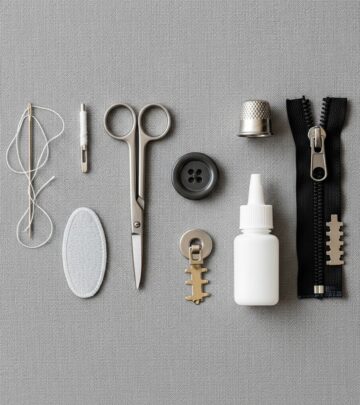
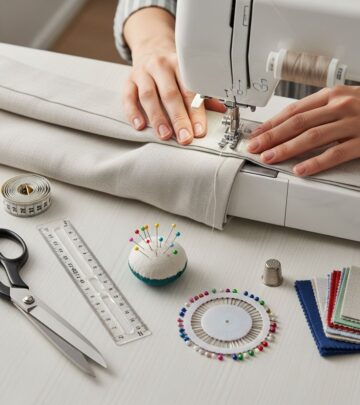
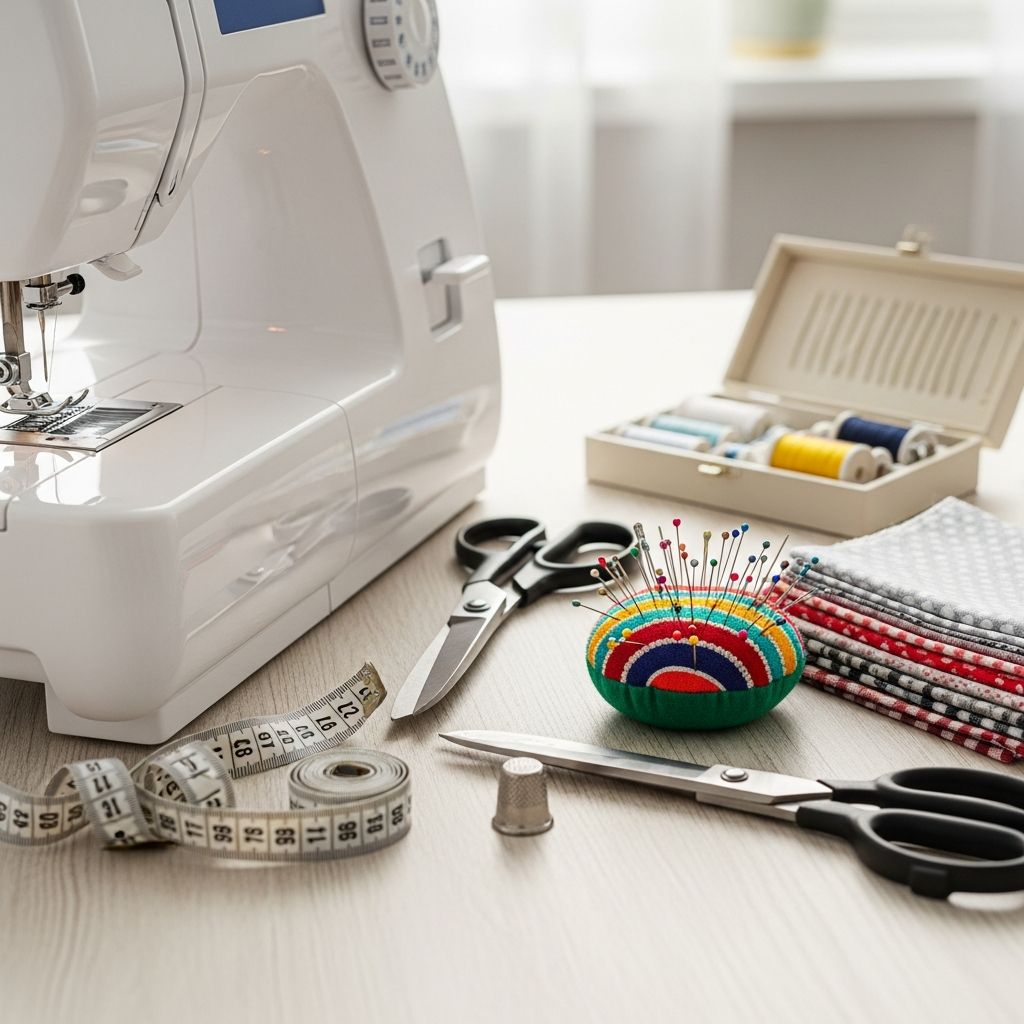
Stock a basic kit with these must-haves:
- Needles: Assorted sizes for hand sewing; sharps for general use, ballpoints for knits.
- Thread: Polyester all-purpose in black, white, navy; match to fabric.
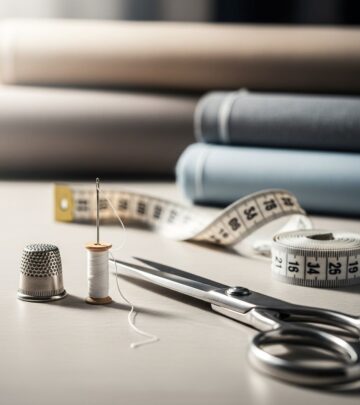
- Scissors: Sharp fabric shears (never use for paper); small thread snips.
- Pins and cushion: Straight pins with heads; magnetic cushion for storage.
- Seam ripper: Essential for undoing mistakes.
- Measuring tape: Flexible for body and fabric measurements.
- Thimble: Protects fingers during hand sewing.
- Handheld iron or mini iron: Presses seams flat for professional results.
Buy a starter kit online or at craft stores for $20–40. Add a basic sewing machine ($100–200) later for efficiency.
Basic Hand Stitching Techniques
Hand sewing builds foundational skills. Thread needle by cutting a clean end, doubling for strength, and knotting securely.
Running Stitch
The simplest stitch for basting or gathering. Bring needle up from wrong side, stitch evenly 1/8–1/4 inch apart, repeat. Ideal for temporary holds or quick seams on lightweight fabric.
- Length: Short for seams, long for basting (1/4–1/2 inch).
- Tip: Keep tension even to avoid puckering.
Backstitch
Strongest hand stitch for permanent seams. Start from wrong side, stitch forward, then back into fabric just before previous stitch, forward again overlapping. Mimics machine stitching.
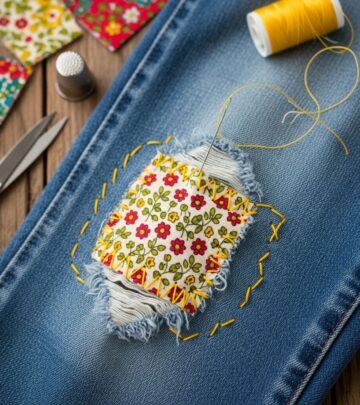
Practice on two fabric layers, right sides together. Use for repairs like side seams or patches.
Slipstitch (Ladder Stitch)
Nearly invisible for hems and closures. Fold fabric, insert needle horizontally into fold 1/4 inch, emerge on opposite fold, repeat ladder-like. Pull to close gap.
- Best for: Hemming pants, closing pillow stuffing.
- Pro tip: Use matching thread for invisibility.
Blanket Stitch and Whip Stitch
Blanket stitch decorates edges: Loop thread under needle tip at 90 degrees, pull to form bars. Whip stitch joins edges quickly: Over-and-under both layers vertically. Use blanket for applique, whip for pillows or toys.
Mastering the Sewing Machine: Beginner Setup
Modern machines simplify sewing. Key steps:
- Threading: Follow diagram: Upper thread through tension discs, needle; bobbin in shuttle.
- Needle change: Match type to fabric (universal for cotton, stretch for knits).
- Tension adjustment: Default 4–5; test on scraps if loops appear.
- Stitch selection: Straight for seams, zigzag for edges.
Practice straight lines on scrap: Align edge to seam guide (5/8 inch standard), guide fabric steadily.
Sewing Straight Seams
Pin right sides together at right angles to edge. Sew with 5/8-inch allowance, remove pins as you go. Backstitch start/end for strength. Shorten stitch at curves or points.
Pressing and Finishing: The Secret to Pro Results
Ironing sets stitches, flattens seams. Press seams open or to one side after sewing. Use right heat: Synthetic low, cotton high. Hem by folding raw edge twice (1/4 then 1/2 inch), stitch close to inner fold.
- Blind hem: For pants—fold under, stitch catching only fabric fold minimally.
- Tip: Interface hems on heavy fabrics for crispness.
Easy Beginner Sewing Projects to Save Money
| Project | Skills Used | Savings | Time |
|---|---|---|---|
| Fix a Hem | Slipstitch, ironing | $20–30/pair | 15 min |
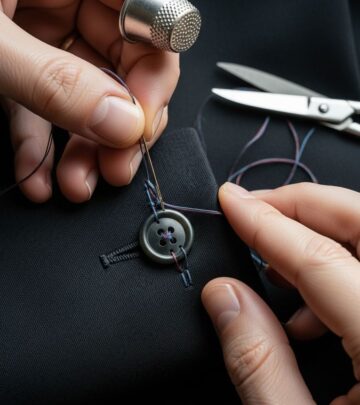
| Sew on Button | Backstitch, knot | $5–10 | 5 min |
| Pillows/Bean Bags | Seams, whip stitch | $15–40 | 1 hour |
| Apron | Straight seams, hem | $20 | 2 hours |
| Tote Bag | Seams, straps | $10–25 | 1.5 hours |
Start with household items: Straight lines, no patterns needed. Thrift fabric scraps free. Alter too-big clothes: Take in seams 1/2 inch at a time.
Common Beginner Mistakes and Fixes
- Puckered seams: Loosen tension, lighter presser foot.
- Skipped stitches: Wrong needle/fabric match; rethread.
- Uneven hems: Measure twice, pin all around.
- Thread breaks: Dull needle, cheap thread—replace often.
Seam ripper is your friend; mistakes teach precision.
Choosing Fabrics and Patterns for Success
Start with cotton weave (no stretch). Patterns: Size by measurements, add 1–2 inches ease. Cut accurately on grainline. Prewash fabric to avoid shrinkage.
Frequently Asked Questions (FAQs)
What is the easiest stitch for beginners?
The running stitch—quick for basting and practice.
Do I need a sewing machine to start?
No, hand sewing masters basics like repairs first.
How do I hem pants by hand?
Turn inside out, fold hem, slipstitch along fold.
What thread for most projects?
All-purpose polyester—strong, versatile.
How to practice straight machine seams?
Use scrap fabric, follow 5/8-inch guide, steady hands.
Next Steps: Advance Your Skills
After basics, try quilting (quarter-inch seams), buttons, darts. Join free online communities for patterns. Invest in quality tools gradually. Sewing saves money long-term while sparking creativity.
References
- How to Sew. : 7 Steps (with Pictures) — Instructables. Accessed 2026. https://www.instructables.com/How-to-Sew./
- Learn to Sew. Sewing for Beginners – Basic Sewing Techniques — YouTube (Angela Kane). Accessed 2026. https://www.youtube.com/watch?v=18W00a_6BAQ
- Sewing 101: A Beginner’s Guide to Sewing Basics — Arrow Sewing. Accessed 2026. https://www.arrowsewing.com/blog/sewing-101-a-beginners-guide-to-sewing-basics
- Sewing Techniques You Should Learn First — Madam Sew. Accessed 2026. https://madamsew.com/blogs/sewing-blog/sewing-techniques-you-should-learn-first
- Sewing for Beginners: Everything You Need to Learn to Sew — Crazy Little Projects. Accessed 2026. https://crazylittleprojects.com/sewing-for-beginners-learn-to-sew/
Similar Articles








Read full bio of medha deb