Sewer Line Insurance Essentials
Discover if sewer line insurance is worth adding to your policy to shield against costly underground pipe failures and repairs.
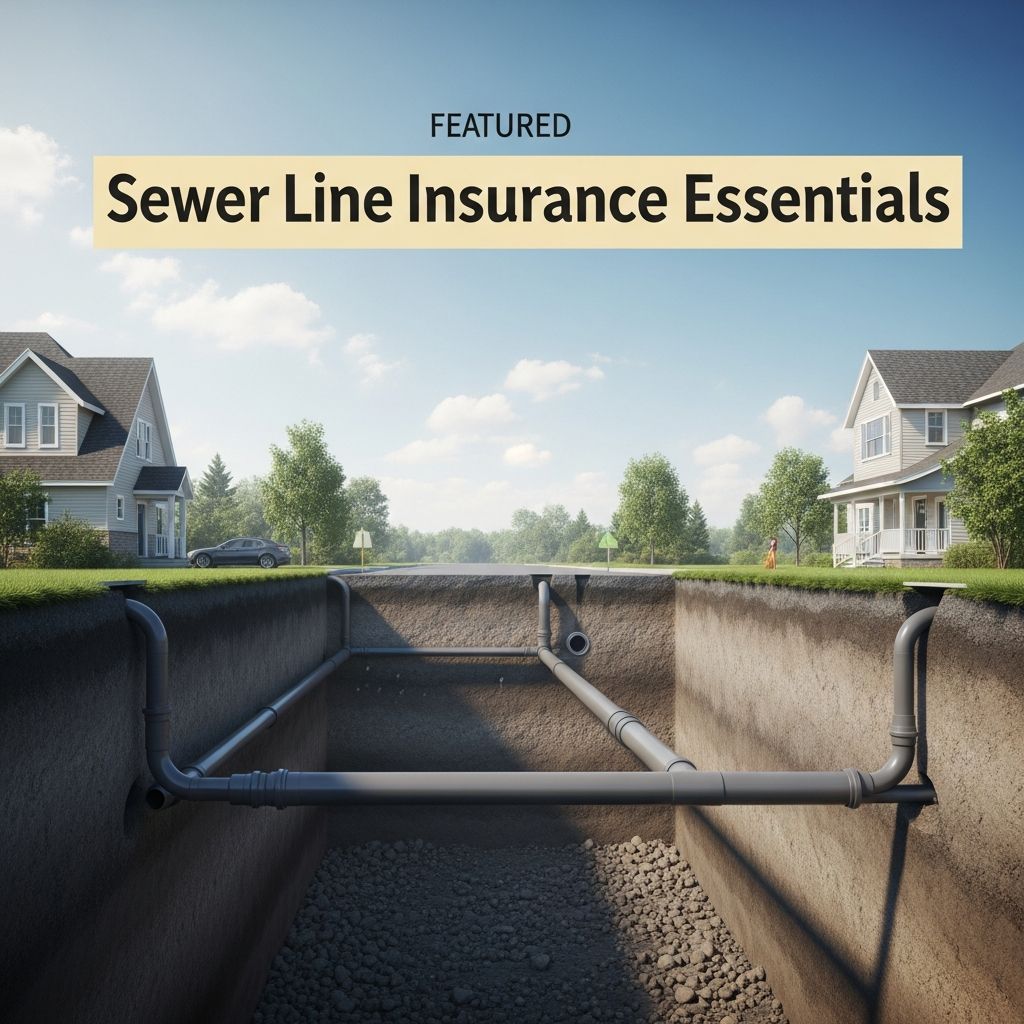
Hidden beneath your property, sewer lines connect your home to the municipal system, quietly managing wastewater until they fail. Standard homeowners insurance offers limited protection for these vital pipes, often leaving owners facing steep repair bills. Specialized sewer line insurance, or service line endorsements, bridges this gap by covering excavation, repairs, and replacements for sudden damages.
Understanding Your Sewer Line’s Vulnerability
Sewer lines, also known as sewer laterals, extend from your home’s foundation to the city’s main sewer connection, sometimes running under driveways, sidewalks, or streets. Homeowners bear full responsibility for this segment, which can span 50 to 100 feet or more. These pipes endure constant moisture, soil shifts, and invasive roots, leading to cracks, collapses, or blockages over time.
Replacement costs average $50 to $250 per foot, totaling $5,000 to $25,000 for a typical job, depending on length, material, and access challenges. Trenchless methods like pipe lining reduce expenses but still demand thousands. Without coverage, these emergencies strain finances, especially in older homes with cast iron or clay pipes prone to deterioration.
What Standard Homeowners Policies Actually Cover
Typical homeowners insurance treats sewer lines as “other structures,” capping coverage at 10% of your dwelling value—potentially $20,000 to $50,000 on a $200,000 to $500,000 home. Payouts apply only to sudden, accidental perils listed in your policy, not gradual wear.
Covered scenarios include:
- Lightning strikes igniting fires that damage pipes
- Windstorms or hail denting or cracking lines
- Falling trees or branches crushing underground sections
- Vandalism, riots, or vehicle impacts
- Explosions from nearby sources
For instance, if a storm-felled oak ruptures your line, insurers may cover excavation and repair after verifying the cause. However, claims require proof, like photos or expert reports, confirming a covered event.
Common Exclusions That Leave You Exposed
Most policies explicitly exclude damages from neglect, age, or predictable issues, shifting full costs to you. Key exclusions are:
- Tree root intrusion blocking or breaking pipes
- General wear, corrosion, or deterioration
- Clogs from grease, debris, or backups
- Floods, earthquakes, or freezes (separate policies needed)
- Poor maintenance or construction defects
| Covered Perils | Excluded Causes |
|---|---|
| Lightning, Fire, Hail | Roots, Wear & Tear |
| Vehicles, Falling Objects | Clogs, Neglect |
| Windstorms, Explosions | Floods, Earthquakes |
This table highlights the divide: insurers pay for abrupt external forces but not internal decay. A corroded pipe collapse from 30 years of rust? You’re on the hook.
Service Line Protection: The Smart Add-On
For broader safeguards, add a service line endorsement to your policy, typically $40-$50 annually for $10,000 coverage. This rider protects sewer, water, gas, and electric lines against most sudden breaks, regardless of cause—except floods or earthquakes.
Benefits include:
- Coverage for the pipe itself, plus digging, backfill, and landscaping restoration
- No need to prove a specific peril; sudden damage suffices
- Access to vetted contractors for repairs, often with guarantees
- Protection for multiple utility lines in one endorsement
Not all insurers offer it, so shop around. American Family and others bundle it with sewer backup riders, which cover interior water damage from overflows but not the line repair.
Assessing Your Need for Extra Coverage
Evaluate based on home age, location, and budget. Older properties (pre-1980) with metal pipes risk higher failure rates. Tree-heavy yards amplify root threats. If a $10,000+ bill would hurt, the low-premium rider pays off.
Recent stats show 20-30% of homes face service line claims yearly, with averages exceeding policy limits. In seismic or flood zones, layer with specialized insurance. Consult your agent for a coverage audit—many overlook these gaps until backups flood basements.
Preventive Steps to Minimize Risks
Proactive maintenance extends line life and avoids claims:
- Schedule inspections every 2-3 years via camera scoping ($200-$500)
- Flush lines annually with enzyme treatments to deter roots and buildup
- Divert roof runoff from sewer paths to reduce soil erosion
- Plant trees 20+ feet from lines; use root barriers if needed
- Avoid flushing wipes, grease, or chemicals that corrode pipes
Early detection via slow drains or gurgling toilets prevents catastrophes. Upgrading to PVC or HDPE pipes during remodels boosts durability.
Navigating Claims and Repairs
If damage strikes, document everything: photos, videos, plumber reports. File promptly, detailing the cause. Insurers dispatch approved vendors for digs and fixes, minimizing disputes.
Trenchless relining ($80-$250/foot) or bursting ($100-$300/foot) often beat full excavation ($150-$500/foot). Coverage may cap at policy limits, so underinsured repairs leave deductibles or out-of-pocket hits.
Frequently Asked Questions
Does homeowners insurance cover tree root damage to sewers?
No, roots are wear-related and excluded; service line coverage might apply if sudden.
What’s the difference between sewer backup and line insurance?
Backup covers home interior damage from overflows; line insurance fixes the pipe and access.
How much does sewer line replacement cost without insurance?
$5,000-$25,000, varying by length and method.
Is service line coverage available everywhere?
Most major insurers offer it, but confirm with yours.
Can I add sewer coverage to renters insurance?
Rarely; it’s typically for owners, but check landlord policies.
Final Thoughts on Protecting Your Investment
Sewer line failures disrupt lives and drain savings, but informed choices fortify your defenses. Review policies annually, weigh add-ons against risks, and maintain diligently. Peace of mind underground starts with coverage above board.
References
- Does Insurance Cover Sewer Line Replacements Or Repairs? — Superior Drain. 2023. https://www.superiordrain.com/blog/does-insurance-cover-sewer-line-work/
- Are broken sewer pipes covered by homeowners insurance? — American Family Insurance. 2024. https://www.amfam.com/resources/articles/understanding-insurance/home-insurance-sewer-line-repair
- Do You Need Sewer Line Insurance? — Experian. 2024. https://www.experian.com/blogs/ask-experian/do-you-need-sewer-line-insurance/
- All About Water & Sewer Line Insurance Explained — Blair Supply USA. 2023. https://blairsupplyusa.com/water-and-sewer-line-insurance-explained/
- Sewer Line Insurance: What Homeowners Need to Know — Plumbing Doctor. 2024. https://plumbingdoctor.com/sewer-line-insurance-guide/
- The answers to all your questions about service line coverage — Hanover Insurance. 2023. https://www.hanover.com/resources/tips-individuals-and-businesses/prepare-now-learn-how/answers-questions-about-service-line
Similar Articles








Read full bio of Sneha Tete