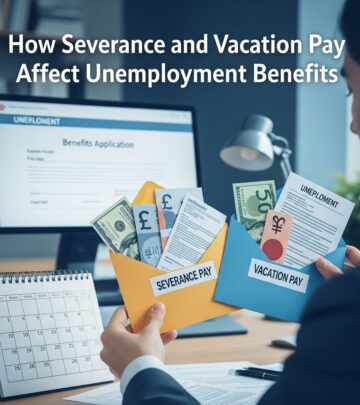
Severance Pay: Definition, Components, and Employee Rights
Understand severance pay, its components, calculation methods, and your rights as an employee.

Severance pay is financial compensation provided by employers to employees upon termination of employment. It serves as a cushion during the transition period after job loss and is typically based on factors such as length of employment, position level, and company policy. While not legally mandated by federal law in most circumstances, many employers offer severance packages as a gesture of goodwill, to mitigate legal risks, and to preserve their corporate reputation.
Understanding severance pay is essential for both employers designing these packages and employees receiving them. This comprehensive guide explores the definition, components, calculation methods, legal considerations, and negotiation strategies related to severance compensation.
What Is Severance Pay?
Severance pay is a monetary payment offered to employees whose employment is being terminated. According to the U.S. Department of Labor, severance pay is a matter of agreement between an employer and an employee rather than a legal requirement. It represents compensation beyond the employee’s final paycheck and may serve multiple purposes: recognizing years of service, easing the financial burden of job loss, or both.
The primary distinction in how severance is delivered involves payment structure. Most employers provide lump-sum payments, where the entire severance amount is paid at once. However, some companies choose to distribute severance payments periodically over several months or years, depending on the employment contract or severance plan structure.
Is Severance Pay Mandatory?
Severance packages are not legally required by federal or state law in the United States for most at-will employees. At-will employment means an employer can terminate an employee for any legally permissible reason without providing severance. However, severance may become mandatory in specific circumstances:
- An employment contract explicitly requires severance upon termination
- A collective bargaining agreement stipulates severance provisions
- State laws in certain jurisdictions mandate severance for mass layoffs
- The WARN Act (Worker Adjustment and Retraining Notification Act) requires advance notice for large-scale terminations
High-level executives, such as CEOs and other C-suite officers, frequently have severance provisions embedded in their employment contracts, making severance mandatory in these cases. For the vast majority of rank-and-file employees, however, severance remains voluntary on the employer’s part.
Common Components of Severance Packages
Severance packages vary considerably in scope and generosity. The following components are commonly included:
Severance Payment
The cornerstone of any severance package is the monetary payment. A common formula employers use to calculate severance is two weeks of pay for each year of service. For example, an employee with ten years of tenure might receive twenty weeks of severance pay. Some employers establish this formula in employee handbooks to set clear expectations, though this also commits them to a specific obligation they may later find burdensome.
Outplacement Services
Outplacement assistance helps departing employees transition to new employment. These services typically include resume writing assistance, career coaching, job search support, and interview preparation. For employees who have spent many years with a single employer and are unfamiliar with current job-seeking practices, outplacement services provide invaluable guidance and can significantly accelerate the reemployment process.
Health Insurance Continuation
Healthcare coverage is a critical concern for most employees facing job loss. Severance packages often include continuation of health insurance benefits through COBRA (Consolidated Omnibus Budget Reconciliation Act), which allows terminated employees to remain on their employer’s health plan for a specified period, typically 18 months. While the employee often bears the cost of premiums, some employers include reimbursement as part of the severance package. This continuation protects employees and their families during the vulnerable period immediately following job loss.
Unused Vacation Time Payout
Whether employers must pay out accrued paid time off (PTO) upon termination depends on specific circumstances. Employers are generally not required to pay unused vacation time except when:
- An employment contract explicitly requires such payment
- A collective bargaining agreement mandates vacation payout
- State law requires payment of accrued time
However, many employers choose to include unused vacation payouts in severance packages as a goodwill gesture and to avoid disputes.
Stock Options and Equity
For employees with equity compensation, severance packages may address the treatment of vested and unvested stock options, restricted stock units (RSUs), and other equity awards. These provisions might allow accelerated vesting of options or provide a window for exercise before expiration. The value of equity can be substantial, making this component particularly important in negotiations.
Continuation of Other Insurance Benefits
Beyond health insurance, severance packages may include continuation of life insurance, disability insurance, or other employee benefits for a specified period. These provisions protect employees’ financial security during their transition.
How Severance Pay Is Calculated
The calculation of severance pay depends on multiple factors and varies significantly across companies:
| Calculation Factor | Description | Example |
|---|---|---|
| Years of Service | Length of employment with the company | 10 years = 20 weeks severance (at 2 weeks per year) |
| Position Level | Executive roles typically receive more generous packages | Executive: 12 months salary; Entry-level: 2 weeks salary |
| Salary or Wages | Based on current compensation | $100,000 annual salary = $1,923 per week |
| Reason for Termination | Layoffs vs. termination for cause | Layoffs typically receive full packages; cause terminations may receive reduced benefits |
| Company Policy | Established severance formulas | Formula documented in employee handbook |
No universal formula exists for severance calculation. While the two-weeks-per-year-of-service standard is common, companies may adopt different multipliers or approaches based on industry standards, financial capacity, and specific circumstances.
Why Employers Offer Severance Packages
Despite the absence of legal requirements, most employers offer severance packages for several strategic reasons:
Compassion and Corporate Culture
Many employers offer severance out of genuine concern for departing employees and their families. This reflects organizational values and demonstrates commitment to treating employees fairly even during difficult transitions.
Legal Risk Mitigation
Severance packages frequently include a general release of claims, where employees waive their right to sue the company for certain matters. This provides employers with legal protection against potential lawsuits from terminated employees. By offering adequate severance, companies can negotiate employees’ acceptance of these liability waivers.
Protection Against Future Litigation
Employees who have experienced wrongful termination, workplace harassment, or wage theft may have grounds to file lawsuits for up to four years after termination. By providing severance with a comprehensive release agreement, employers significantly reduce the likelihood of expensive litigation.
Preservation of Company Reputation
How employers treat departing employees affects their reputation with current and prospective employees. Generous severance packages demonstrate that the company values its workforce, which can improve morale among remaining employees and enhance the company’s attractiveness to job candidates.
Clean Separation
Severance packages facilitate a clear break between employer and employee. This psychological and contractual closure helps both parties move forward without ongoing disputes or resentment.
Legal Considerations and Regulatory Frameworks
Several legal considerations affect severance package design and administration:
Employee Retirement Income Security Act (ERISA)
ERISA establishes minimum standards for private sector retirement and health plans. Generally, one-time severance payments are not subject to ERISA. However, if an employer maintains an ongoing severance program with specific eligibility criteria and regularly provides severance according to a broader policy, the severance plan may be classified as an ERISA-covered welfare benefit plan, subjecting it to additional regulatory requirements and recordkeeping obligations.
COBRA Considerations
If employers provide severance that includes health insurance continuation, they must comply with COBRA requirements, including providing proper notice and allowing employees to elect coverage continuation.
WARN Act Implications
The WARN Act requires employers with 100 or more employees to provide 60 days’ advance notice before mass layoffs. While not directly addressing severance, WARN Act compliance often accompanies severance package distribution during large-scale terminations.
Components of a Severance Agreement
Beyond the financial components, severance agreements typically include several contractual provisions:
General Release of Claims
This clause requires the employee to waive their right to pursue legal claims against the employer, protecting the company from future litigation related to the employment relationship.
Confidentiality Agreements
Employers typically require employees to maintain confidentiality about severance amounts and terms. This prevents other employees from learning the details of severance arrangements, which could create disputes or resentment.
Non-Disparagement Provisions
These clauses prohibit the departing employee from making negative statements about the company, often extending beyond the severance period.
Non-Compete Agreements
Some severance agreements include non-compete clauses restricting the employee’s ability to work for competitors or start competing businesses for a specified period.
Considerations for Protected Rights
Employers cannot require waiver of certain rights as a condition of severance, including worker’s compensation claims and unemployment insurance eligibility.
Negotiating Your Severance Package
Employees receiving severance offers should consider negotiation strategies:
Understand Your Legal Position
Before negotiating, assess whether you have potential legal claims against the employer. Employees with strong claims have greater negotiating leverage. Consulting with an employment attorney can clarify your position.
Document Your Value
Compile information about your contributions, years of service, salary level, and industry standards for severance in your position and geographic location. This documentation supports requests for enhanced packages.
Request Additional Components
Beyond the base severance payment, consider negotiating for extended COBRA coverage, enhanced outplacement services, extended benefits continuation, or accelerated equity vesting.
Professional Representation
Employment attorneys can review severance agreements, identify problematic provisions, calculate appropriate severance amounts based on your legal claims, and negotiate on your behalf. In some cases, professional representation significantly increases the final severance amount, justifying the legal fees.
Frequently Asked Questions
Q: Is severance pay taxable?
A: Yes, severance pay is generally considered taxable income and subject to federal, state, and local income taxes. However, certain components, such as employer-paid COBRA premiums under specific conditions, may receive favorable tax treatment. Consult a tax professional for individual circumstances.
Q: Can I negotiate a severance package if I’m an at-will employee?
A: Yes, you can attempt to negotiate. While employers are not required to offer severance to at-will employees, many are willing to negotiate improved terms, especially if you have valuable contributions, legal claims, or if the company desires a clean separation.
Q: What happens to my health insurance if I don’t accept COBRA?
A: If you decline COBRA continuation, your employer’s health insurance typically ends on your termination date. You can explore alternatives such as ACA marketplace plans or coverage through a new employer.
Q: Can an employer reduce severance if I refuse to sign a non-compete agreement?
A: This depends on state law and the specific circumstances. Some states restrict the enforceability of non-compete agreements, and many require additional consideration beyond severance for employees to waive certain rights.
Q: Are severance payments subject to Social Security taxes?
A: Yes, severance payments are subject to Social Security and Medicare taxes up to the Social Security wage base limit, similar to regular wages.
References
- What employers need to know about severance packages — Thomson Reuters Legal Insights. 2024. https://legal.thomsonreuters.com/en/insights/articles/what-employers-need-to-know-about-severance-packages
- How to Negotiate Your Severance Agreement (2025) — Drew Lewis Law. 2025. https://drewlewis.law/severance-package-negotiation-how-to-guide/
- Severance Pay — U.S. Department of Labor. 2024. https://www.dol.gov/general/topic/wages/severancepay
Similar Articles








Read full bio of medha deb