Severance Package: Definition, Components & Negotiation Guide
Complete guide to severance packages: what they include, how they're calculated, and negotiation strategies.

What Is a Severance Package?
A severance package is a combination of compensation and benefits that an employer offers to an employee when their employment ends due to circumstances beyond their control, such as a layoff, restructuring, or position elimination. Unlike regular final paychecks, severance represents an acknowledgment of the employee’s contributions to the organization and serves as a financial bridge during the transition period between jobs. The package typically includes monetary compensation, continuation of certain benefits, and support services to help the employee secure new employment.
While no federal law mandates that employers provide severance packages, many companies choose to offer them as a matter of company policy, employment contracts, or labor agreements. Severance is particularly common when organizations conduct mass layoffs, eliminate positions due to restructuring, or when severance is specified in executive employment contracts. The availability and generosity of severance packages can vary significantly depending on company policy, industry standards, employee tenure, and position level.
Key Components of a Severance Package
Severance packages typically combine several elements designed to provide financial security and practical support during an employee’s job transition. Understanding these components helps both employers design fair packages and employees evaluate what they’re receiving.
Monetary Compensation
The primary component of most severance packages is a cash payment, typically calculated based on the employee’s tenure with the company. The most common formula is one to two weeks of pay for every year of service, though senior executives and long-tenured employees may receive more generous multiples. For example, an employee with seven years of service might receive seven to fourteen weeks of salary as a lump sum. Some companies also include accrued performance bonuses or other incentive payments earned before termination as part of the severance package.
Paid Time Off Payout
Many severance packages include payment for unused vacation days, sick leave, and other paid time off (PTO) that the employee accrued but did not use before termination. This compensation ensures employees don’t lose the value of benefits they earned. The amount depends on company policy and may be substantial for long-tenured employees with generous vacation allowances.
Health Insurance Continuation
Continuation of health, dental, and vision insurance is a valuable component of severance packages, especially important for employees with significant medical needs or family coverage requirements. Some employers extend coverage directly for a specified period, typically three to six months, while others subsidize COBRA (Consolidated Omnibus Budget Reconciliation Act) premiums, allowing employees to maintain their existing coverage by paying the premiums themselves. COBRA eligibility allows employees to continue group health plan coverage for up to 18 months after termination, though employees must pay the full premium plus an administrative fee.
Outplacement Services
Career transition support has become an increasingly common component of severance packages. These services typically include resume writing assistance, interview coaching, job search support, career counseling, and access to job boards or recruitment networks. Outplacement services can be particularly valuable for employees who have been with a company for many years and may be unfamiliar with contemporary job search processes and techniques. Some packages include access to professional outplacement firms that provide comprehensive career transition support.
Stock Options and Equity
For employees with stock options or equity in the company, severance packages may include accelerated vesting, allowing them to exercise options or claim their equity stake before the standard vesting schedule would permit. This component recognizes the employee’s long-term commitment and can provide significant financial value, particularly for senior employees or those who have been with the company since its early stages.
Retirement Benefits
While severance packages typically do not include continued employer contributions to retirement plans such as 401(k)s, they often allow employees to retain and manage their vested benefits. Employees can typically roll over their 401(k) balance to an IRA or new employer’s retirement plan without penalty. Some severance packages also include continued access to company retirement benefits or accelerated vesting of certain retirement components.
Additional Benefits
Some comprehensive severance packages may include continuation of other company benefits such as employee discounts, professional development subscriptions, or even permission to retain company equipment like laptops or mobile devices. These additional perks, though seemingly minor, can provide ongoing value during the transition period.
How Severance Packages Are Calculated
The calculation of severance packages follows several common methodologies, though without federal standards, the exact formula varies by employer.
Tenure-Based Calculation
The most prevalent approach ties the severance amount directly to the employee’s years of service. A standard formula provides one week of salary for each year employed, though variations exist. Some companies use two weeks per year for more generous packages, while others may use different multiples for different employee levels. An employee with ten years of tenure earning $50,000 annually would receive $10,000 to $20,000 in salary-based severance under these common formulas.
Position and Responsibility Level
Senior executives typically receive more generous severance packages than entry-level or mid-level employees. A C-suite executive might receive six months to two years of salary, whereas an entry-level employee might receive two to four weeks. This reflects the greater financial impact of losing specialized expertise and the longer time such individuals typically require to secure comparable positions.
Company Discretion and Policy
Because severance is not legally mandated in most situations, employers have significant discretion in determining amounts. Company policy, financial condition, industry standards, and the circumstances of the termination all influence the calculation. Some companies maintain formal severance policies that specify exactly what employees at different levels will receive, while others handle severance on a case-by-case basis.
When Severance Packages Are Offered
Understanding when severance is typically provided helps employees know what to expect and when to negotiate.
Layoffs and Restructuring
Severance packages are most commonly offered when employees are laid off or their positions are eliminated due to organizational restructuring, downsizing, or business changes unrelated to individual performance. These involuntary terminations are distinguished from terminations for cause, which typically do not include severance.
Mass Layoff Events
When employers conduct large-scale layoffs affecting many employees, severance becomes particularly important as a legal and ethical consideration. The WARN Act (Worker Adjustment and Retraining Notification Act) requires employers with 100 or more employees to provide 60 days’ notice before mass layoffs or plant closures, and severance packages often accompany these situations.
Executive Contracts
Severance is often a contractual requirement for executive-level employees. Many executives negotiate severance terms as part of their employment contracts, sometimes including provisions for severance even in cases of termination for performance-related reasons. These packages may also include extended health benefits, stock option acceleration, and bonus payout provisions.
Long-Service Recognition
Some companies extend severance to long-tenured employees as a gesture of appreciation for their loyalty and contributions, even when not contractually obligated to do so.
Legal Considerations and Mandatory Severance
Understanding the legal landscape surrounding severance helps both employers and employees navigate this complex area.
Federal Requirements
No federal law mandates that employers provide severance pay to at-will employees in the United States. As the U.S. Department of Labor states, “Severance pay is a matter of agreement between an employer and an employee.” This means employers have broad discretion regarding severance decisions for most employees.
Employment Contracts
When severance is specified in employment contracts or collective bargaining agreements, it becomes a binding obligation. Executives and unionized employees frequently have contractual severance provisions that employers must honor.
State and Local Laws
While federal law does not mandate severance, some state laws or local regulations may impose requirements in specific situations. Additionally, the WARN Act requires advance notice for mass layoffs, and some interpretations include severance considerations in certain contexts.
ERISA Compliance
If a severance package is offered as a one-time gesture, it typically falls outside the Employee Retirement Income Security Act (ERISA) regulations. However, if an employer maintains an ongoing severance program with specific eligibility criteria, the program may be classified as an ERISA-covered welfare benefit plan, requiring compliance with specific regulations regarding notification, eligibility, and benefit calculations.
Negotiating Your Severance Package
Employees have opportunities to negotiate severance in multiple situations, and understanding negotiation strategies can result in significantly better outcomes.
During the Hiring Process
Job offers sometimes include severance terms as part of the overall compensation package. If severance terms are not mentioned, candidates can request them, particularly for senior positions. Even entry-level offers may be negotiable, especially in competitive job markets. Requesting severance terms during hiring establishes expectations and may result in more favorable terms than negotiating after termination is announced.
During Termination
When facing layoff or termination, employees can negotiate severance package terms, though the employer’s willingness to negotiate varies by situation. Factors that enhance negotiation leverage include length of service, knowledge of company-specific processes, potential legal exposure for the employer, and the employee’s value to training replacement staff.
Negotiation Strategies
Effective severance negotiation requires understanding your leverage and presenting reasonable requests. Document your contributions to the organization, research industry standards for your position and tenure level, and approach negotiations professionally. Consider engaging an employment attorney, particularly for senior positions or complex negotiations. Request specific components separately rather than simply accepting or rejecting a total package offer, as employers may be more flexible on certain elements.
Frequently Asked Questions
Q: Is severance pay taxable?
A: Yes, severance pay is generally subject to federal income tax and state income taxes. Employers typically withhold taxes from severance payments as they would from regular wages. Employees should plan for tax implications when evaluating severance offers.
Q: What happens to my health insurance if I don’t take COBRA?
A: If you decline COBRA continuation, your employer’s health coverage ends on your termination date. You may be eligible for ACA marketplace coverage or other insurance options. Some severance packages subsidize COBRA to maintain continuous coverage.
Q: Can I negotiate severance after being told the amount?
A: Yes, severance is often negotiable, particularly if you have significant tenure, specialized skills, or if the employer faces legal risks. While not all employers will renegotiate, many will if presented with reasonable requests backed by market data.
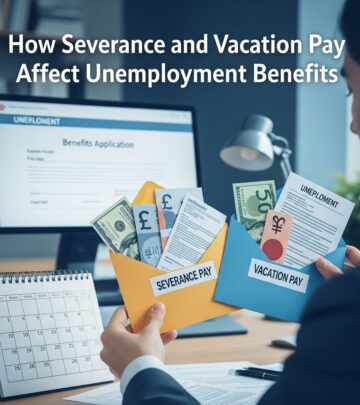
Q: Does severance affect unemployment benefits?
A: Severance payments may affect unemployment insurance eligibility, depending on how they’re classified and your state’s regulations. Some states consider lump-sum severance as wages that extend the period before unemployment benefits begin.
Q: What should I do with a severance agreement before signing?
A: Review all terms carefully, particularly non-compete clauses, non-disparagement provisions, and release-of-claims language. Consider consulting an employment attorney, especially for substantial packages or if terms seem unclear.
Q: Are part-time or contract employees eligible for severance?
A: Severance eligibility varies by employer policy. Some companies provide severance only to full-time employees, while others may include part-time staff. Contract and temporary employees are less likely to receive severance unless specified in their agreements.
References
- What Is a Severance Package? — Metro Credit Union. 2025. https://advice.metrocu.org/workplace-finances/employee-benefits/article/what-is-a-severance-package
- What is a typical severance package? 2025 Guide — Rippling. 2025. https://www.rippling.com/blog/typical-severance-package
- What employers need to know about severance packages — Thomson Reuters Legal Insights. 2024. https://legal.thomsonreuters.com/en/insights/articles/what-employers-need-to-know-about-severance-packages
- What is severance pay and why is it offered? — Fidelity Learning Center. 2025. https://www.fidelity.com/learning-center/smart-money/severance-pay
- Severance Pay — U.S. Department of Labor. https://www.dol.gov/general/topic/wages/severancepay
Similar Articles








Read full bio of Sneha Tete