Seven Signs Of A Toxic Workplace And How To Navigate It
Learn how to recognize a toxic workplace, protect your mental health, and plan your exit while safeguarding your finances.
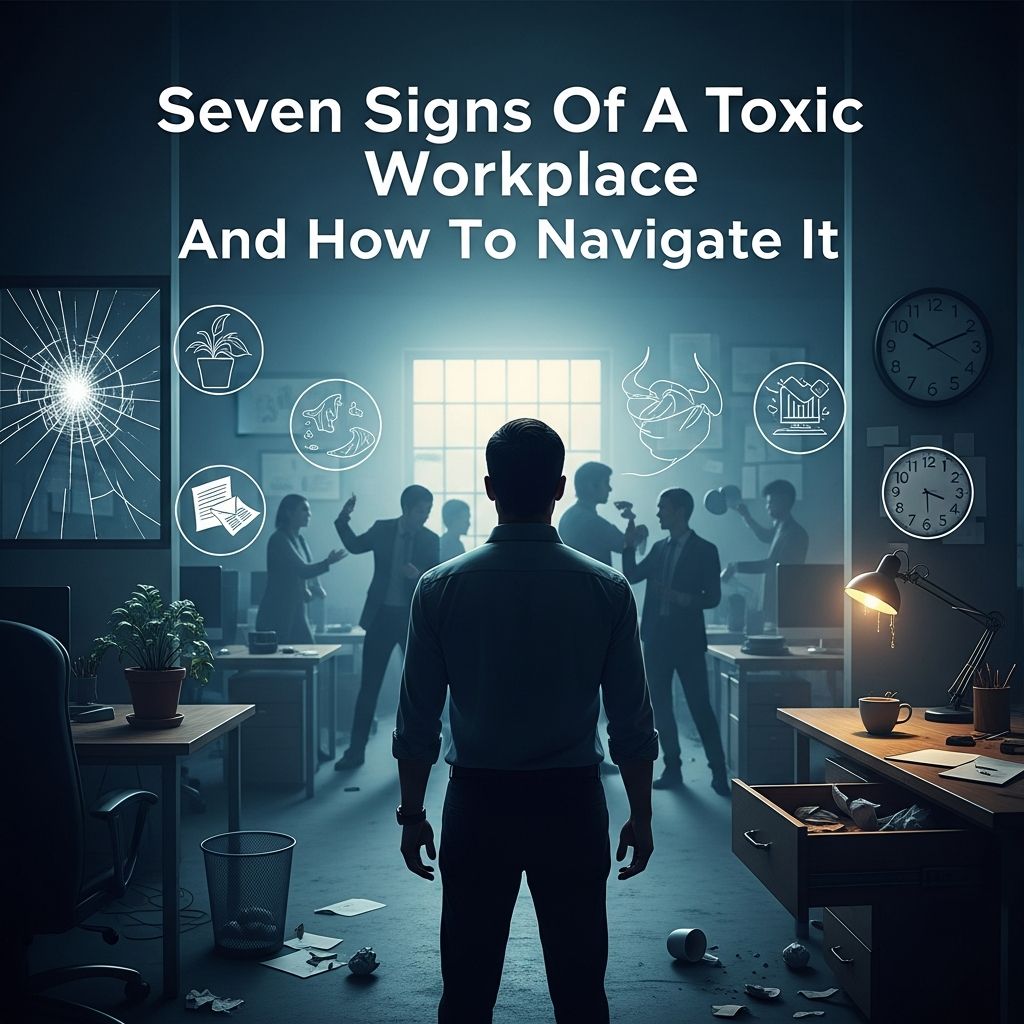
Work is a major part of your life. When your job becomes emotionally draining, unsafe, or chronically stressful, it does more than ruin your mood—it can harm your mental health, physical well-being, and long-term financial stability. Learning to recognize a toxic workplace early can help you protect yourself and make more empowered decisions about your career.
This article explains what a toxic work environment is, key warning signs to look for, how it can affect your money, and practical strategies to cope, protect yourself, and eventually leave on your own terms.
What Is A Toxic Workplace?
A toxic workplace is more than just a job you dislike. It is an environment where the culture, leadership, or day-to-day interactions consistently undermine your dignity, psychological safety, or well-being. Over time, this kind of environment can increase the risk of burnout, depression, anxiety, and even physical health problems, especially when stress is chronic and unmanaged.
Signs of toxicity can show up at different levels:
- Organizational level: Unreasonable workloads, chaotic processes, and policies that ignore employee well-being.
- Leadership level: Abusive or absent managers, favoritism, or a culture of fear and intimidation.
- Team level: Gossip, exclusion, bullying, and constant conflict.
Importantly, a workplace can be toxic even if the pay is good or the company has a strong public reputation. What matters most is the impact on the people working there.
Why A Toxic Workplace Matters For Your Money
Toxic work environments can damage not only your health but also your finances. Research connects work-related stress and burnout to increased health-care use and reduced productivity, both of which can ultimately affect your earning ability.
Common money-related impacts include:
- Higher medical costs due to stress-related health issues like insomnia, anxiety, or high blood pressure.
- Lost income from missed days, reduced performance, or needing to leave a job suddenly without a new one lined up.
- Impulsive spending as a way to cope with emotional exhaustion or unhappiness.
- Stalled career growth if toxicity prevents you from gaining experience, visibility, or promotions.
Because of these risks, recognizing a toxic environment early and planning your response can protect both your well-being and your long-term financial goals.
7 Key Signs Of A Toxic Workplace
Toxicity can be subtle at first. The following seven signs, especially when they happen consistently, are strong indicators that your work environment may be harmful.
1. Constant Stress And Burnout
Everyone experiences busy seasons at work. A workplace becomes toxic when constant stress and overwork are normal and there is little support to manage it. The World Health Organization defines burnout as a syndrome resulting from chronic workplace stress that has not been successfully managed, characterized by exhaustion, mental distance from one’s job, and reduced professional effectiveness.
Red flags include:
- You regularly work long hours or weekends just to keep up.
- You feel exhausted even after time off.
- You dread Mondays or feel sick at the thought of going to work.
- Mistakes are punished, and there is no real recovery time after crunch periods.
Over time, chronic stress can increase the risk of anxiety, depression, cardiovascular problems, and sleep issues, which may further hurt your quality of life and your ability to earn steadily.
2. Poor Communication And Lack Of Transparency
Healthy workplaces rely on clear and open communication. Toxic workplaces, by contrast, are full of confusion, secrecy, and mixed messages.
Common patterns include:
- Leaders making decisions in secret and then expecting instant compliance.
- Major changes (like restructuring) appearing without warning.
- Unclear expectations, shifting goals, or last-minute changes in priorities.
- No safe space to ask questions or share honest feedback.
This lack of transparency can make you feel on edge, unsure how to succeed, and constantly worried about doing something wrong. It can also limit your ability to make informed career or financial decisions, such as whether it is worth staying long term.
3. Bullying, Harassment, Or Discrimination
Any form of bullying, harassment, or discrimination is a serious sign of a toxic environment and may violate workplace policies or even the law, depending on where you live. Examples include repeated insults, threats, humiliation, exclusion, or unfair treatment based on characteristics such as gender, race, age, or disability.
Warning signs:
- Colleagues or managers regularly shout, belittle, or embarrass others in front of the team.
- Certain groups of people are excluded from meetings, opportunities, or social events.
- Jokes or comments are made about someone’s identity or background.
- People who speak up about mistreatment are ignored, punished, or pushed out.
Over time, working in this type of environment can seriously damage confidence, increase stress, and push talented people to quit, sometimes without another position secured—which directly affects financial stability.
4. No Work-Life Balance
In a toxic workplace, employees are often expected to be available at all hours or to sacrifice personal life for the job. While occasional extra effort is sometimes necessary, constant intrusion into your personal time is not sustainable.
Typical red flags include:
- Regularly being contacted late at night, on weekends, or during vacations for non-urgent matters.
- Feeling guilty for taking breaks, using your vacation days, or going to medical appointments.
- Comments that suggest you are not committed if you set boundaries.
- Little or no support for family responsibilities, flexibility, or caregiving needs.
Evidence from occupational health research consistently links long working hours and poor work-life balance with higher risk of burnout and mental health conditions, which can ultimately reduce productivity and earning potential.
5. High Turnover And Low Morale
When a workplace is chronically unhealthy, people do not stay. High turnover, frequent resignations, and a revolving door of new hires are often clues that something deeper is wrong with the culture.
Look for patterns such as:
- People seem relieved when they quit.
- New hires often leave within months.
- Top performers move on quickly, while disengaged people linger.
- There is constant talk about leaving, but little real career development support.
High turnover can increase your own workload and stress, create instability, and signal to future employers that something is off at the company. It may also mean you are constantly training new people without any long-term benefit to your career.
6. Unsupportive Or Abusive Leadership
Managers play a central role in shaping your day-to-day experience. Toxic workplaces often have unsupportive, controlling, or abusive leaders who misuse power. Poor management quality is a known risk factor for employee mental health and burnout.
Behaviors that indicate toxic leadership include:
- Taking credit for your work or blaming you publicly for mistakes.
- Micromanaging every detail while denying you autonomy.
- Ignoring concerns about workload, harassment, or unfair treatment.
- Using fear, retaliation, or favoritism to control people.
When leadership is the source of toxicity, it can be harder to seek help internally. This is why documenting events and understanding your options are crucial steps if you decide to speak up or leave.
7. Misaligned Values And Unethical Behavior
Sometimes the work environment may be professional on the surface but still feel toxic because it conflicts with your core values. This misalignment can be particularly damaging when it involves unethical or unsafe practices.
Examples include:
- Pressure to mislead clients or customers.
- Ignoring safety guidelines or legal requirements.
- Doing work that harms people or communities without accountability.
- Leaders saying they support well-being but rewarding only overwork and compliance.
Over time, working against your values can lead to moral distress, guilt, and a strong desire to disengage. This can impact your performance, motivation, and long-term career satisfaction.
How To Cope If You Are In A Toxic Workplace
If you recognize several of these signs, it is important to know that you are not imagining things—and you are not alone. Many workers report exposure to workplace bullying, unfair treatment, or unsafe levels of stress. While you may not be able to fix the culture on your own, you can take steps to care for yourself, reduce harm, and plan a safer exit.
Step 1: Acknowledge The Situation
The first step is to be honest with yourself. Ask:
- How often do I feel anxious, exhausted, or unsafe at work?
- Is this a temporary busy period or a persistent pattern?
- Do I feel respected and fairly treated?
Writing down specific incidents and how they made you feel can help you see patterns more clearly. It also creates a record if you decide to report issues later.
Step 2: Protect Your Mental Health
While you are still in the environment, prioritizing your mental health is essential. Access to mental health support, including counseling, can significantly improve coping and resilience in the face of work-related stress.
Helpful strategies include:
- Set small boundaries where you can—for example, not checking email after a certain hour unless it is truly urgent.
- Build recovery time into your evenings and weekends: sleep, movement, hobbies, and connection with supportive people.
- Seek professional support such as a therapist, counselor, or doctor if stress is affecting your health.
- Use available resources like employee assistance programs (EAPs) if your employer offers them.
Step 3: Document Incidents
If you are dealing with bullying, discrimination, or unethical behavior, keep thorough records. Documentation is especially important if you later choose to raise the issue with HR, seek legal advice, or need to explain gaps or issues in your work history.
Consider tracking:
- Dates, times, and locations of problematic incidents.
- Names of people involved and any witnesses.
- Emails, messages, or documents that support your account.
- How each incident affected your work or well-being.
Store your documentation in a private, secure place outside your work devices where possible.
Step 4: Explore Internal Options (If Safe)
In some organizations, there may be internal channels to seek help, such as HR, an ethics hotline, or another trusted leader. If you feel safe doing so, you might:
- Have a factual, calm conversation with your manager about workload or expectations.
- Speak with HR about specific incidents of harassment or discrimination.
- Ask about transfers to different teams or departments.
If previous attempts to raise concerns were ignored or punished, or if the toxicity clearly starts at the top, internal options may be limited. In that case, focus on self-protection and planning your exit.
Step 5: Prepare A Financial Exit Plan
Leaving a toxic job without a plan can create financial stress that adds to your emotional burden. If possible, aim to build a cushion before you resign.
Key steps include:
- Create or review your budget and identify expenses you can reduce temporarily.
- Build an emergency fund, targeting at least a few months of essential expenses if you can.
- Update your resume and portfolio so you are ready to apply quickly when opportunities arise.
- Network consistently with former colleagues, mentors, and professional groups to learn about healthier workplaces.
Comparing Healthy vs Toxic Workplaces
The contrast between healthy and toxic environments can help you evaluate new opportunities more clearly.
| Healthy Workplace | Toxic Workplace |
|---|---|
| Reasonable workloads and clear expectations | Chronic overwork and constant emergencies |
| Open, respectful communication | Secrecy, gossip, and mixed messages |
| Leaders who support growth and feedback | Abusive, absent, or retaliatory managers |
| Policies that respect work-life boundaries | Expectation to be available 24/7 |
| Low turnover and visible career development | High turnover and constant hiring |
| Alignment between values and daily practices | Unethical, unsafe, or value-conflicting behavior |
Planning Your Next Move
Once you have recognized the signs and taken steps to cope, the next phase is planning your transition to a healthier environment.
- Clarify what you want next: List the qualities of a workplace that would support your well-being—such as flexible hours, supportive leadership, or growth opportunities.
- Research potential employers: Look for independent reviews, talk to current or former employees, and ask questions about culture and work-life balance during interviews.
- Be honest (but strategic) in interviews: You do not have to disclose everything about your current workplace. Focus on what you have learned and the environment you are seeking, not on criticizing your current employer.
- Decide on your exit timing: If your situation is unsafe or harming your health, leaving sooner—even with a smaller financial cushion—may be necessary. Otherwise, aim for a planned exit once you secure another role.
Frequently Asked Questions (FAQs)
Q: How do I know if my workplace is truly toxic or if I am just stressed?
A: Occasional busy periods are normal, but a workplace is more likely toxic when harmful patterns—such as disrespect, overwork, bullying, or lack of safety—are chronic, do not improve with feedback, and significantly affect your health, sleep, or relationships.
Q: Should I quit my toxic job immediately?
A: If you are in physical danger or your mental health is severely affected, leaving quickly may be the safest option, even if your finances are not perfect. Otherwise, try to build some savings, update your resume, and search for new roles before resigning so you can transition more smoothly.
Q: How can I talk about a toxic workplace in job interviews?
A: You can be honest without going into negative detail. Focus on what you are looking for rather than what went wrong. For example, say you are seeking a role with clear communication, reasonable workloads, and supportive leadership, and highlight how you have learned to value these traits.
Q: Can HR help if my manager is toxic?
A: Sometimes. HR is responsible for enforcing policies and ensuring a safe workplace, but its effectiveness varies by organization. Document specific incidents, present facts calmly, and ask how they will address the issue. If nothing changes, consider whether staying is sustainable and begin planning your next move.
Q: How can I protect my finances while leaving a toxic job?
A: Start by reviewing your budget, trimming non-essential expenses, and building an emergency fund if possible. Explore side income, keep your resume updated, and network regularly. These steps can reduce the financial shock of leaving and give you more options as you search for a healthier role.
References
- Burn-out an “occupational phenomenon”: International Classification of Diseases — World Health Organization. 2019-05-28. https://www.who.int/news/item/28-05-2019-burn-out-an-occupational-phenomenon-in-the-international-classification-of-diseases
- Guidelines on mental health at work — World Health Organization & International Labour Organization. 2022-09-28. https://www.who.int/publications/i/item/9789240053052
- Working Conditions and Workers’ Health — European Agency for Safety and Health at Work. 2019-09-20. https://osha.europa.eu/en/facts-and-figures/digital-repository/working-conditions-and-workers-health
- Workplace Bullying and Harassment — U.S. Equal Employment Opportunity Commission. 2021-09-02. https://www.eeoc.gov/harassment
Similar Articles








Read full bio of medha deb