Settling Closed and Charged-Off Debts
Discover the smart strategies for handling closed accounts and charged-off debts to rebuild your credit profile effectively.
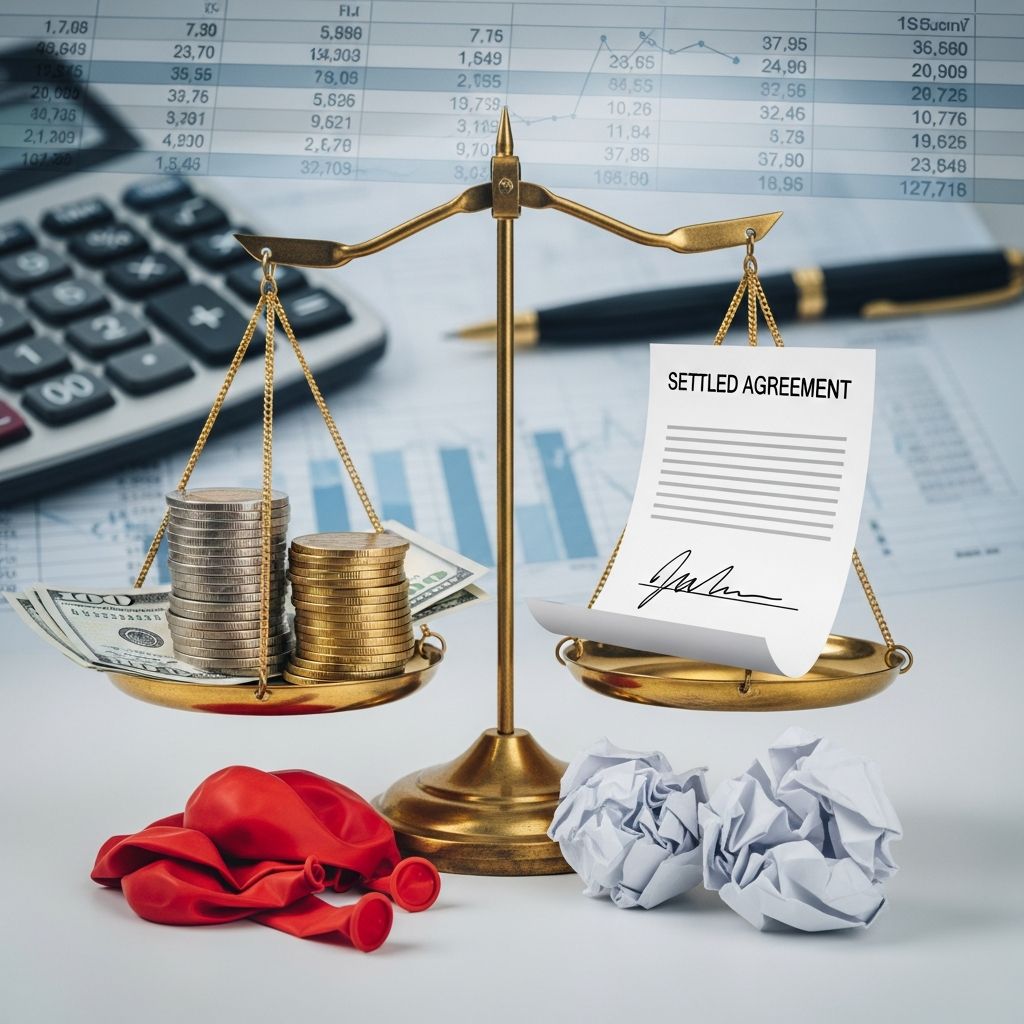
Navigating closed and charged-off accounts requires understanding their distinct natures and long-term effects on your financial health. These statuses appear on credit reports after specific events, influencing lending decisions and scores significantly.
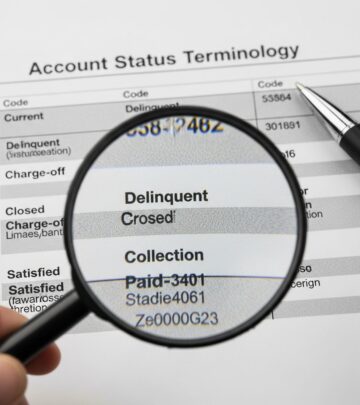
Defining Account Statuses in Credit Reports
Accounts on your credit report can shift to various statuses based on payment behavior and lender actions. A
closed account
indicates the credit line is no longer active, often due to full payoff, voluntary closure, or lender decision. In contrast, acharged-off account
occurs when a creditor deems the debt uncollectible after prolonged delinquency, typically 180 days, writing it off as a loss while the obligation persists.These distinctions matter because they signal different levels of risk to future lenders. Closed accounts in good standing reflect responsible management, whereas charged-offs highlight severe past issues.
Key Distinctions Between Closed and Charged-Off Accounts
| Aspect | Closed Account | Charged-Off Account |
|---|---|---|
| Definition | Inactive credit line, paid or unpaid | Debt written off as loss after delinquency |
| Typical Timeline | Anytime, often after payoff | After 120-180 days of non-payment |
| Obligation Status | May have balance if unpaid | Still owed, possibly sold to collectors |
| Report Duration | Up to 10 years if positive; 7 if negative | 7 years from delinquency date |
This table summarizes core differences, drawn from credit bureau guidelines and lender practices.
How These Accounts Emerge Over Time
Lenders monitor payment patterns closely. Consistent on-time payments keep accounts active and positive. Delinquency starts with 30-day lates, escalating to closure if unresolved. Charge-offs follow extended defaults, as creditors protect their books.
For instance, a credit card unused for months might close automatically, preserving history if payments were solid. Persistent skips trigger charge-off, often leading to collections.
Effects on Your Credit Score and Profile
**Positive closed accounts** bolster scores by showing reliability over 10 years.
Negative closures or charge-offs
deduct points substantially—often 100-150—due to payment history weight (35% of FICO).Charge-offs signal high risk, reducing loan approvals and raising rates. They linger 7 years from first delinquency, fading gradually if no new negatives appear. Closed negatives similarly harm but may recover faster if history elsewhere shines.
- Payment history dominates score calculations.
- Utilization shifts post-closure, potentially spiking if balances linger.
- Age of accounts shortens with closures.
Does Paying Resolve These Issues?
Paying a charged-off debt updates it to ‘paid charge-off,’ improving lender views without erasure. Original delinquencies remain, but settlement shows responsibility. For closed unpaid accounts, payoff clears balances, mitigating damage.
However, payments don’t erase histories; they reclassify status. Lenders favor paid over unpaid negatives. Negotiate ‘pay for delete’ cautiously—rarely honored, legally dubious.
Practical Steps for Resolution
- Obtain Reports: Pull free weekly reports from AnnualCreditReport.com to verify statuses across Equifax, Experian, TransUnion.
- Validate Debts: Dispute inaccuracies within 30 days via bureau portals.
- Contact Creditors: Confirm ownership; pay originals if unsold, collectors otherwise.
- Negotiate Settlements: Offer lump sums for reduced payoffs, get written agreements.
- Monitor Updates: Ensure reports reflect payments accurately post-30-45 days.
Professional counseling aids complex cases, avoiding scams.
Long-Term Credit Recovery Blueprint
Post-resolution, focus on positives:
- Secure secured cards for on-time history.
- Maintain utilization under 30%.
- Diversify credit mix gradually.
- Automate payments to prevent repeats.
Scores rebound in 6-12 months with consistent habits, though full 7-year purge takes time.
Frequently Asked Questions
Can paying a charged-off account boost my score immediately?
No, updates improve perception but don’t remove delinquencies. Gradual gains follow.
How long do closed accounts stay visible?
Positive: 10 years; negative: 7 years from closure.
Will a charge-off prevent home loans?
It complicates but doesn’t bar; strong recent history helps.
Should I ignore old charged-offs?
No, unpaid ones harm more and invite collections.
What’s the charge-off timeline?
Typically 180 days delinquency.
Preventing Future Account Problems
Build buffers: emergency funds covering 3-6 months, budget tracking apps, credit monitoring alerts. Early hardship contacts with lenders often yield forbearance over charge-off paths.
In summary, proactive management turns negatives into recoverable setbacks, paving stronger financial futures.
References
- What Does “Close and Charge Off” Mean? — The Credit People. 2023. https://www.thecreditpeople.com/credit/closed-vs-charged-off-what-does-close-and-charge-off-mean
- Charge Off vs Closed Account: What’s the Real Credit Impact? — The Credit People. 2023. https://www.thecreditpeople.com/credit/charge-off-vs-closed-account-what-is-the-real-difference
- Should You Pay Off Closed or Charged-Off Accounts? — Experian. 2024-01-15. https://www.experian.com/blogs/ask-experian/paying-off-closed-or-charged-off-accounts/
- Charge-Off Meaning: What It Means and How It Affects Your Credit — Remitly. 2023-10-10. https://www.remitly.com/blog/finance/charge-off-meaning/
- What is a Charge-Off? — Equifax. 2025-02-20. https://www.equifax.com/personal/education/credit/report/articles/-/learn/charge-offs-faq/
- What is a Charge-Off? — Cambridge Credit Counseling. 2024. https://www.cambridge-credit.org/what-is-a-charge-off.html
- What Is a Charge-Off? — PNC Insights. 2024-11-05. https://www.pnc.com/insights/personal-finance/borrow/what-is-a-charge-off.html
Similar Articles








Read full bio of medha deb