Settlement Statement Guide: Understanding Real Estate Closing Costs
Master settlement statements: Learn what fees you'll pay and how to review closing costs.
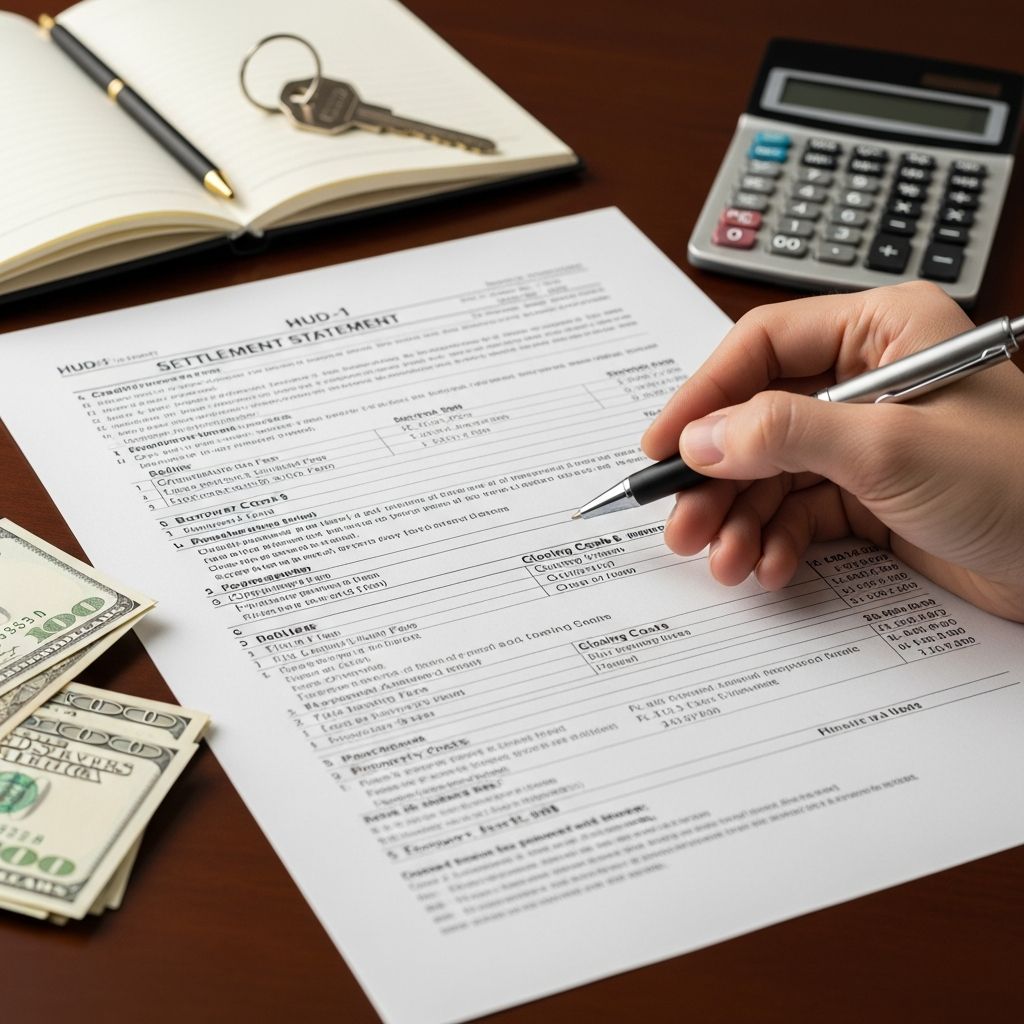
Understanding Settlement Statements in Real Estate Transactions
When purchasing or selling a property, navigating the complex world of real estate documentation can feel overwhelming. One of the most important documents you’ll encounter is the settlement statement, a comprehensive record that itemizes every cost associated with your real estate transaction. This guide will help you understand what settlement statements are, how they work, and what to expect when you receive one.
A settlement statement is an itemized list of fees and credits that summarizes the finances of an entire real estate transaction. Whether you’re buying your first home or selling a property you’ve owned for years, this document provides transparency about who pays what and how much each party owes. Understanding this document is crucial for protecting your financial interests and ensuring there are no surprise costs at closing.
What Is a Settlement Statement?
A settlement statement serves as the final accounting document in a real estate transaction. It details all the costs involved in buying or selling a property, including loan charges, title services, taxes, insurance, and various other fees. This document is typically provided by the settlement agent or closing attorney and must be reviewed carefully before you sign off on the transaction.
The settlement statement format may vary slightly depending on your location and the type of transaction, but the purpose remains consistent: to provide complete transparency about all financial aspects of your real estate deal. Both buyers and sellers receive settlement statements, though the charges and credits may differ for each party.
HUD-1 Settlement Statement vs. Closing Disclosure
Two primary forms are used to document settlement information in real estate transactions: the HUD-1 form and the closing disclosure. Understanding the differences between these documents is essential, as the form you receive depends on the type of loan and when your transaction occurs.
The HUD-1 Form
The HUD-1 form is a three-page mortgage document required in certain cases. This document contains an itemized list of every fee charged for the loan and is commonly referred to as a settlement statement because it’s one of the final pieces of paperwork that comes before the transaction officially closes. The three pages of the HUD-1 form include:
- Page 1: A summary of all costs associated with the mortgage
- Page 2: An itemized list of each expense
- Page 3: A comparison between your initial loan estimate and the final settlement
The Closing Disclosure
The closing disclosure is now the more common settlement statement in real estate transactions and is issued to most borrowers. While both the HUD-1 and closing disclosure share the same aim—educating borrowers about all the costs of their mortgage—they differ in presentation. The closing disclosure is five pages long compared to the HUD-1’s three pages, but it’s designed to be easier to read and understand for borrowers. The additional length actually makes it simpler to comb through and locate important information.
You’ll receive the closing disclosure at least three days before your closing date, giving you time to carefully review it and ask your lender or attorney any clarifying questions before finalizing the transaction.
Key Components of a Settlement Statement
Settlement statements contain several important sections that itemize different types of costs and credits. Understanding each section helps you identify where your money is going and ensures you’re not being overcharged.
Buyer Information and Loan Details
The first section of your settlement statement displays basic transaction information, including the seller, buyer, property address, and loan amount. Your interest rate will be clearly annotated, and if it’s adjustable, the document will state how often it will adjust. You’ll also see information about your principal and interest, though it may be listed as estimated escrow, which means the amount can change as property taxes fluctuate during the life of your loan.
This section also includes a critical number at the bottom: your cash to close. This amount represents the total money you need to provide at closing and includes your closing costs. It’s important to note that this is not in addition to other numbers on the statement—you’re only paying that bottom number, which is the total amount the lender expects you to provide.
Loan Charges and Origination Fees
This section details all charges related to your loan, including:
- Origination fees charged by the lender
- Prepaid points
- Appraisal costs
- Fees for tax services
- Flood certification fees
- Credit report fees
These charges represent what the lender charges to process and underwrite your loan. Understanding each charge helps you compare loan offers from different lenders and identify any excessive fees.
Prepaid Costs and Escrow Deposits
Settlement statements include several prepaid items that you must pay at closing. These typically include:
- Per diem interest from the day of closing to the end of the month
- Homeowners insurance prepayment
- Mortgage insurance prepayment
- Escrow deposits for homeowners insurance, mortgage insurance, and property taxes
When you close in the middle of a month, you’ll need to prepay interest for the remaining days of that month, as your regular monthly payment won’t begin until the following month. Your lender calculates how much money they can deposit into your escrow account, and if this calculation results in them holding too much of your money, you’ll see a line item called an aggregate adjustment with a negative number, which represents a reduction from the lender to return your escrow account to the baseline they’re allowed to maintain.
Title Services and Insurance
Title-related costs represent a significant portion of closing costs. These include:
- Title search fees
- Title insurance premiums
- Title examination fees
- Government recording services
Title insurance protects you and your lender against any claims to the property that may arise after closing, making it an essential component of your settlement statement.
Real Estate Agent Commissions
If real estate agents are involved in the transaction, commission fees will appear on the settlement statement. These fees are typically paid by the seller and are usually a percentage of the sale price. The commission is typically split between the buyer’s agent and the seller’s agent.
Debits vs. Credits on Your Settlement Statement
Like a typical budget balancing sheet, settlement statements are organized into debits (expenses) and credits (deposits or increases). Understanding this structure is fundamental to reading your statement correctly.
Debits represent money you owe or charges against your account. Credits represent money being applied to your account or expenses being reduced. Common credits on a buyer’s settlement statement include:
- The earnest money deposit you made in good faith toward the purchase
- The loan amount your lender is financing
- Any seller credits for repairs or closing costs the seller agreed to pay
Understanding the Seller’s Settlement Statement
Sellers also receive a settlement statement detailing their costs and credits. Key items on a seller’s statement include:
Loan Payoff Information
If the seller has an existing mortgage, the settlement statement will include:
- The principal balance remaining on the loan
- Interest owed through the payoff date
- Additional payoff fees, reconveyance fees, recording fees, and wire fees
These amounts are deducted from the sale proceeds before the seller receives their final payment.
Seller Credits and Deposits
The settlement statement identifies the sale price, earnest money deposit, and any credits the seller has agreed to provide. It also accounts for excess deposit—the buyer’s earnest money deposit minus the agent commission and other seller obligations.
Comparing Your Loan Estimate to Your Settlement Statement
Page 3 of the HUD-1 form (or the appropriate section of your closing disclosure) allows you to easily compare costs with your initial loan estimate. This comparison is crucial because it shows which charges are allowed to change from the estimate and by how much.
Federal regulations limit how much certain charges can increase from your loan estimate. Reviewing this comparison carefully helps you identify any unexpected increases and raises questions with your lender if costs have grown significantly without justification.
Page 3 also includes key questions that could impact your long-term financial well-being, including whether your interest rate can increase and whether you can be penalized for paying off your balance early. These questions are critical for understanding your loan obligations and planning for your financial future.
Important Considerations When Reviewing Your Settlement Statement
When you receive your settlement statement, take time to review it thoroughly before closing day. Here are critical items to verify:
Verify Accuracy of Basic Information
Double-check that your name, the property address, the loan amount, and the interest rate are all correct. Even small errors in these fundamental details can cause problems down the road.
Review All Fees
Compare every fee on your settlement statement to your loan estimate. Look for any charges you don’t recognize or that seem unusually high. Don’t hesitate to ask your lender for clarification on any line item.
Check for Duplicate Charges
Make sure you’re not being charged twice for the same service. Occasionally, errors occur that result in duplicate fees appearing on settlement statements.
Understand Prepaid Interest
Ensure the per diem interest calculation is correct based on your closing date and the interest rate agreed upon in your loan documents.
Verify Escrow Calculations
Review the escrow deposit amounts for property taxes, insurance, and other items. These calculations should be based on your local tax rates and insurance premiums.
Frequently Asked Questions About Settlement Statements
Q: When will I receive my settlement statement?
A: You’ll typically receive your closing disclosure at least three days before your closing date. The HUD-1 form may be provided closer to closing or at the closing table itself, though you have the right to review it beforehand if possible.
Q: Can I negotiate settlement statement fees?
A: Many settlement costs are negotiable, particularly lender fees, title insurance, and real estate commissions. It’s worth discussing these items with your lender and real estate agent before closing.
Q: What is included in my cash to close amount?
A: Your cash to close includes your down payment, closing costs, prepaid interest, insurance, and escrow deposits. This is the total amount you need to bring to closing.
Q: What if I find an error on my settlement statement?
A: Contact your lender or closing attorney immediately if you spot any errors. They can provide corrected documents before closing, or if discovered after closing, can issue a revised statement.
Q: How much can closing costs change from my loan estimate?
A: Federal regulations limit how much certain costs can increase. Service provider fees are limited to 10% increases, while some charges like property taxes cannot increase at all. Your closing disclosure will show these allowable limits.
Q: Is escrow required?
A: Escrow is typically required by lenders for homeowners insurance and property taxes. If you have less than 20% down payment, mortgage insurance escrow may also be required. Some lenders allow you to opt out of escrow if you have significant equity in the home.
References
- HUD-1 Settlement Statement Definition — Bankrate. 2024. https://www.bankrate.com/mortgages/hud-1-settlement-statement/
- Appendix A to Part 1024 — Instructions for Completing HUD-1 and Closing Disclosure Forms — Consumer Finance Protection Bureau. 2024. https://www.consumerfinance.gov/rules-policy/regulations/1024/A
- Closing Documents: A Guide For Homebuyers — Bankrate. 2024. https://www.bankrate.com/real-estate/closing-documents/
- What is a Closing Statement in a Real Estate Sale? — Bankrate. 2024. https://www.bankrate.com/real-estate/what-is-a-closing-statement/
- How to Read a Settlement Statement: Real Estate Closing Help — HomeLight. 2024. https://www.homelight.com/blog/sellers-closing-statement/
- Who Pays Closing Costs — Buyers or Sellers? — Bankrate. 2024. https://www.bankrate.com/real-estate/who-pays-closing-costs/
Similar Articles








Read full bio of Sneha Tete