Protection Options for Service Dog Healthcare
Comprehensive guide to insuring your service dog and managing veterinary expenses
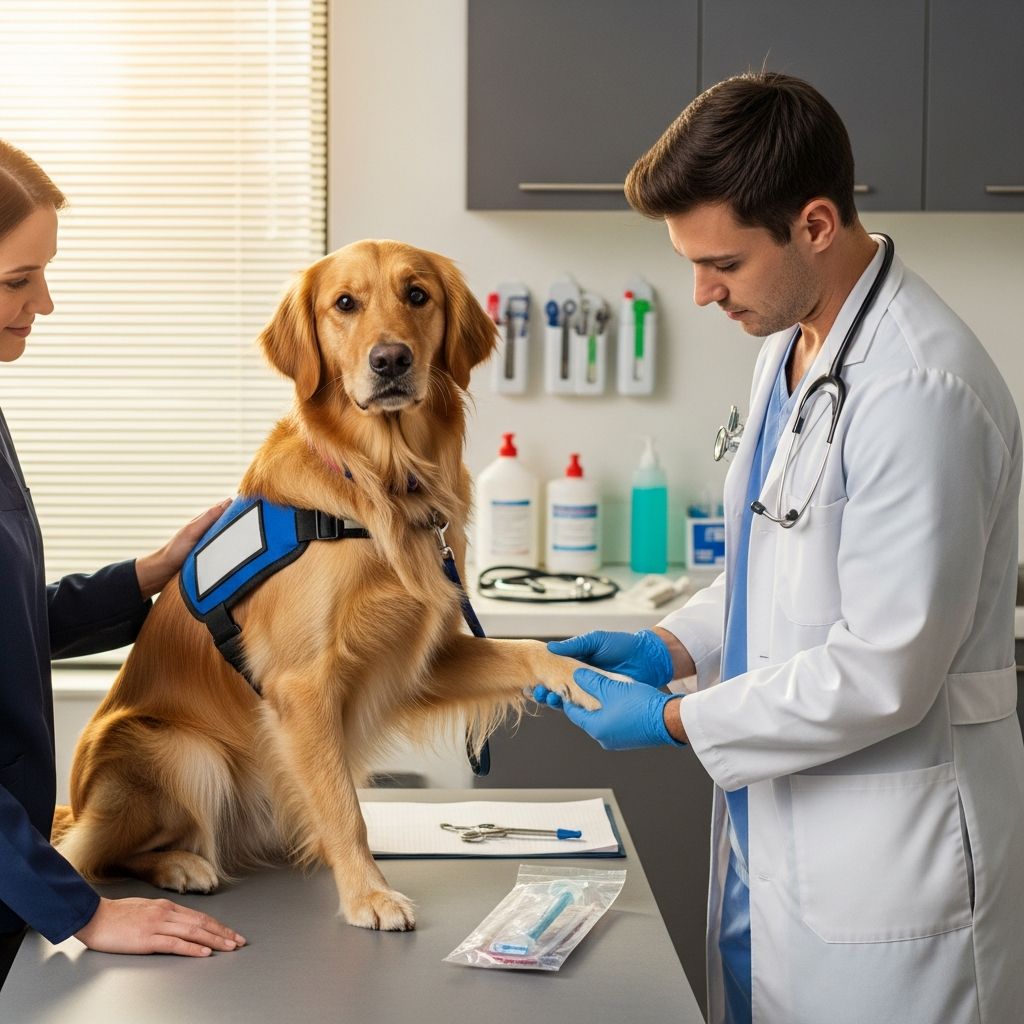
Service dogs represent a significant financial investment and play an indispensable role in the daily lives of individuals with disabilities. These highly trained animals undergo years of specialized instruction to perform critical tasks that enhance their handlers’ independence and safety. Given their importance and the considerable upfront expenses associated with acquiring a trained service dog, many owners wonder whether purchasing additional healthcare coverage is a prudent decision. Understanding the landscape of pet insurance options, comparing costs against potential medical emergencies, and exploring alternative financing mechanisms can help service dog owners make informed choices about protecting their animals’ health and their own financial wellbeing.
Understanding the Financial Reality of Service Dog Ownership
The journey to service dog ownership begins with substantial upfront costs. According to the National Service Animal Registry, acquiring a fully trained service dog typically requires an investment ranging from $15,000 to $30,000, with some exceptional cases exceeding $50,000. This price encompasses breeding, raising, comprehensive training, and placement services. These costs reflect the extensive time, expertise, and resources required to develop a dog with the precision and reliability necessary to perform life-changing tasks.
However, the financial commitment extends well beyond the initial purchase. Annual maintenance expenses for service dogs include food, grooming supplies, and routine veterinary care. Ongoing veterinary costs are estimated at approximately $500 annually for standard preventive services, including vaccinations, physical examinations, and preventive medications. For owners who have already invested tens of thousands of dollars in acquiring their service dog, the prospect of additional veterinary expenses—whether routine or emergency-related—represents a meaningful financial consideration that warrants careful planning.
Exploring Pet Insurance as a Healthcare Solution
Standard pet insurance policies represent one viable option for managing the ongoing healthcare costs associated with service dog ownership. The encouraging news is that pet insurers do not typically charge higher premiums specifically because a dog is a service animal rather than a companion pet. Instead, insurance costs are determined by the same factors that affect any other dog, including breed characteristics, age, geographic location, and the specific policy terms selected.
According to recent market analysis, average annual pet insurance costs for dogs stand at approximately $768. However, this figure represents an average, and actual costs can vary considerably based on individual circumstances. For common service dog breeds such as Labradors, Golden Retrievers, and German Shepherds, owners can typically expect monthly premiums around $60. This translates to roughly $720 annually for these popular assistance dog varieties.
How Pet Insurance Reimbursement Works
Most pet insurance plans operate on a reimbursement model rather than direct payment to veterinary providers. When you incur veterinary expenses, you pay the full bill out-of-pocket at the time of service. Subsequently, you submit your receipt and supporting documentation to the insurance company, which then reimburses you according to your policy terms. This reimbursement typically covers between 70% and 90% of the approved veterinary charges, depending on your selected coverage level.
This reimbursement approach differs from human health insurance and requires service dog owners to have sufficient funds available to cover veterinary expenses before receiving reimbursement. For owners managing service dog medical emergencies or extensive treatment protocols, this cash flow requirement represents an important consideration when evaluating whether pet insurance aligns with their financial situation.
Comparing Pet Insurance Coverage Options
Pet insurance providers typically offer multiple coverage structures that allow owners to customize their policies according to their needs and budget constraints. Understanding these different components helps owners select appropriate protection levels:
- Deductible amounts: Annual deductibles generally range from $100 to $500. Higher deductibles result in lower monthly premiums but increase out-of-pocket expenses before coverage begins.
- Reimbursement percentages: Most policies reimburse between 70%, 80%, or 90% of covered veterinary expenses. Higher reimbursement percentages command higher premiums.
- Annual coverage limits: Maximum annual reimbursement amounts vary considerably among providers, ranging from $2,500 to $100,000 or even unlimited coverage. Owners with service dogs at higher risk for expensive medical conditions should carefully consider these limits.
By adjusting these three parameters—deductible, reimbursement percentage, and coverage limits—service dog owners can tailor policies to match their financial circumstances and risk tolerance. Those expecting minimal veterinary expenses might select higher deductibles and lower reimbursement percentages to minimize premiums. Conversely, owners concerned about emergency expenses or with service dogs prone to certain health conditions might prioritize comprehensive coverage with higher reimbursement percentages and generous annual limits.
The True Cost of Veterinary Emergencies
While routine veterinary care remains relatively predictable and affordable, emergency medical situations can produce devastating expenses that far exceed annual maintenance costs. Service dog owners should understand typical emergency treatment costs when evaluating whether insurance protection makes financial sense for their situation:
- Wound treatments typically range from $800 to $2,500 depending on severity and required interventions.
- Emergency surgical procedures generally cost between $1,500 and $5,000, with more complex operations potentially exceeding these estimates.
- Extended hospitalization, specialty care, and complex diagnostic procedures can accumulate costs that reach tens of thousands of dollars.
For perspective, the lifetime cost of owning any dog across its typical lifespan of 15 years averages between $20,000 and $55,000 when accounting for food, routine care, vaccinations, preventive treatments, and unexpected medical emergencies. A single major emergency could consume a substantial portion of this lifetime budget, leaving limited resources for ongoing care. This reality demonstrates why pet insurance can provide valuable financial protection, particularly for service dogs whose loss or diminished capacity would significantly impact their handlers’ quality of life and independence.
Specialized Coverage Considerations for Service Dog Owners
While standard pet insurance policies apply equally to service dogs and regular companion animals, certain populations of service dog owners may qualify for specialized coverage programs. Veterans represent one notable group with access to dedicated support:
The U.S. Department of Veterans Affairs offers a Service Dog Veterinary Health Insurance Benefit specifically designed for veterans with visual, hearing, or mobility impairments who have been prescribed certified guide or service dogs. This program provides comprehensive coverage including all health treatments, medications, hardware repairs or replacements, and travel expenses related to the dog’s care. Veterans interested in this benefit should contact their VA clinical care provider or mental health provider to inquire about eligibility and application procedures.
Additionally, eligible individuals may utilize Flexible Spending Accounts (FSA) or Health Savings Accounts (HSA) to fund certain service dog expenses. The Internal Revenue Service permits FSA and HSA withdrawals for some service dog-related costs, including purchase, training, and ongoing maintenance expenses. Individuals should consult tax professionals to determine their specific eligibility and which expenses qualify for these advantageous tax-preferred accounts.
Alternative Financing Mechanisms Beyond Insurance
Pet insurance represents one approach to managing service dog healthcare costs, but several alternative or complementary financing strategies merit consideration:
Social Security Disability Programs
Individuals receiving Social Security Disability Income (SSDI) receive monthly payments that can be allocated toward service dog-related expenses, including training and daily care costs. Some SSDI recipients may also access lump sum options that can be directed toward initial acquisition costs.
Governmental and Organizational Support
Various government agencies and nonprofit organizations offer assistance programs for service dog expenses. The VA Prosthetic and Sensory Aids Service and the Assistance Dog Special Allowance Program (ADSA) represent examples of such resources. Additionally, many nonprofit organizations dedicated to specific disabilities provide grants, fundraising support, or direct financial assistance for service dog acquisition and care.
Training Programs with Built-in Support
Some service dog training organizations offer financing options or sliding scale fees based on handlers’ financial circumstances. Prospective service dog owners should inquire about such opportunities when evaluating different training providers.
Making the Insurance Decision: A Strategic Framework
Determining whether pet insurance makes sense for your service dog requires thoughtful evaluation of several factors:
| Decision Factor | Suggests Insurance May Be Beneficial | Suggests Insurance May Be Less Critical |
|---|---|---|
| Financial Emergency Reserves | Limited savings available for unexpected veterinary costs | Substantial emergency fund specifically allocated for pet healthcare |
| Service Dog Breed | Breed known for expensive hereditary health conditions | Breed with fewer predispositions to costly health issues |
| Dog’s Age | Young dog with many years of potential service remaining | Older dog with fewer years of productive service life |
| Service Dog Function | High-activity tasks that increase injury risk | Lower-physical-demand support functions |
| Personal Risk Tolerance | Anxiety about potential emergency expenses | Comfort with self-insuring against veterinary risks |
Service dog owners should honestly assess their financial situation and risk tolerance. Those with substantial emergency savings and comfort with self-insurance might reasonably forgo pet insurance. Conversely, owners with limited financial cushions or high anxiety about potential emergency costs may find the monthly premium investment provides valuable peace of mind and protection.
Critical Policy Review Requirements
Before committing to any pet insurance policy, service dog owners must thoroughly examine policy details to ensure coverage aligns with their specific needs and circumstances:
- Verify which veterinary conditions are covered versus excluded or treated as pre-existing conditions
- Confirm whether hereditary or breed-specific health conditions receive coverage
- Review maximum benefit limits to ensure they adequately cover potential emergency expenses for your service dog’s breed
- Understand waiting periods before coverage becomes effective
- Clarify whether preventive care, training-related injuries, or behavioral issues receive coverage
This comprehensive review protects against unpleasant surprises when you need coverage most.
Summary and Recommendations
Service dogs represent substantial financial and emotional investments in their handlers’ independence and wellbeing. While acquiring these highly trained animals requires significant upfront expenditure, the costs of ownership extend throughout the dog’s service life through routine care and potential medical emergencies. Pet insurance offers one viable mechanism for managing these ongoing healthcare expenses, with costs averaging around $60 monthly for common service dog breeds and varying based on coverage selections. Veterans and certain eligible populations may access specialized coverage programs through government agencies. Beyond insurance, alternative financing mechanisms including FSA/HSA accounts, SSDI benefits, and nonprofit assistance programs provide additional resource options. The decision to purchase pet insurance ultimately depends on individual financial circumstances, risk tolerance, and specific service dog characteristics. Service dog owners who carefully evaluate their situation using available frameworks can make informed decisions that protect both their animals’ health and their financial security.
References
- How Much Does a Service Dog Cost? — GoodRx Health. Accessed March 2026. https://www.goodrx.com/health-topic/disability/how-much-does-a-service-dog-cost
- Should I Get Pet Insurance for My Service Dog? — Experian. Accessed March 2026. https://www.experian.com/blogs/ask-experian/should-i-get-pet-insurance-for-my-service-dog/
- How Much Service Animals Cost and Why They’re So Expensive — ValuePenguin. Accessed March 2026. https://www.valuepenguin.com/cost-of-service-animals
- Does Insurance Cover Service Dogs? — Pawlicy Advisor. Accessed March 2026. https://www.pawlicy.com/blog/does-insurance-cover-service-dogs/
- Does Pet Insurance Cover Service Dogs? — Pets Best. Accessed March 2026. https://www.petsbest.com/blog/does-pet-insurance-cover-service-dogs
- Service Dog Benefits — U.S. Department of Veterans Affairs. Accessed March 2026. https://www.va.gov/saginaw-health-care/programs/service-dog-benefits/
Similar Articles








Read full bio of medha deb