SERP: Search Engine Results Page Explained
Master SERPs: Learn how search results work and optimize your online visibility today.
In today’s digital landscape, understanding how search engines work is critical for anyone involved in online marketing, content creation, or business development. One fundamental concept that underpins all search engine marketing is the SERP, or Search Engine Results Page. This comprehensive guide explores what SERPs are, how they function, their key components, and why they matter for your online success.
What Is a SERP?
A SERP, or search engine results page, is the page that a search engine displays after a user submits a query. When you type a question or keyword phrase into Google, Bing, Yahoo, or another search engine, the engine processes your request and returns a SERP containing a list of results that aim to answer your question or match your search intent.
Each SERP is uniquely tailored to the individual conducting the search. Search engines customize results based on various data points, including the user’s location, previous search history, browser history, and personalized preferences. This means that two people searching for the same term may see slightly different results depending on their individual contexts.
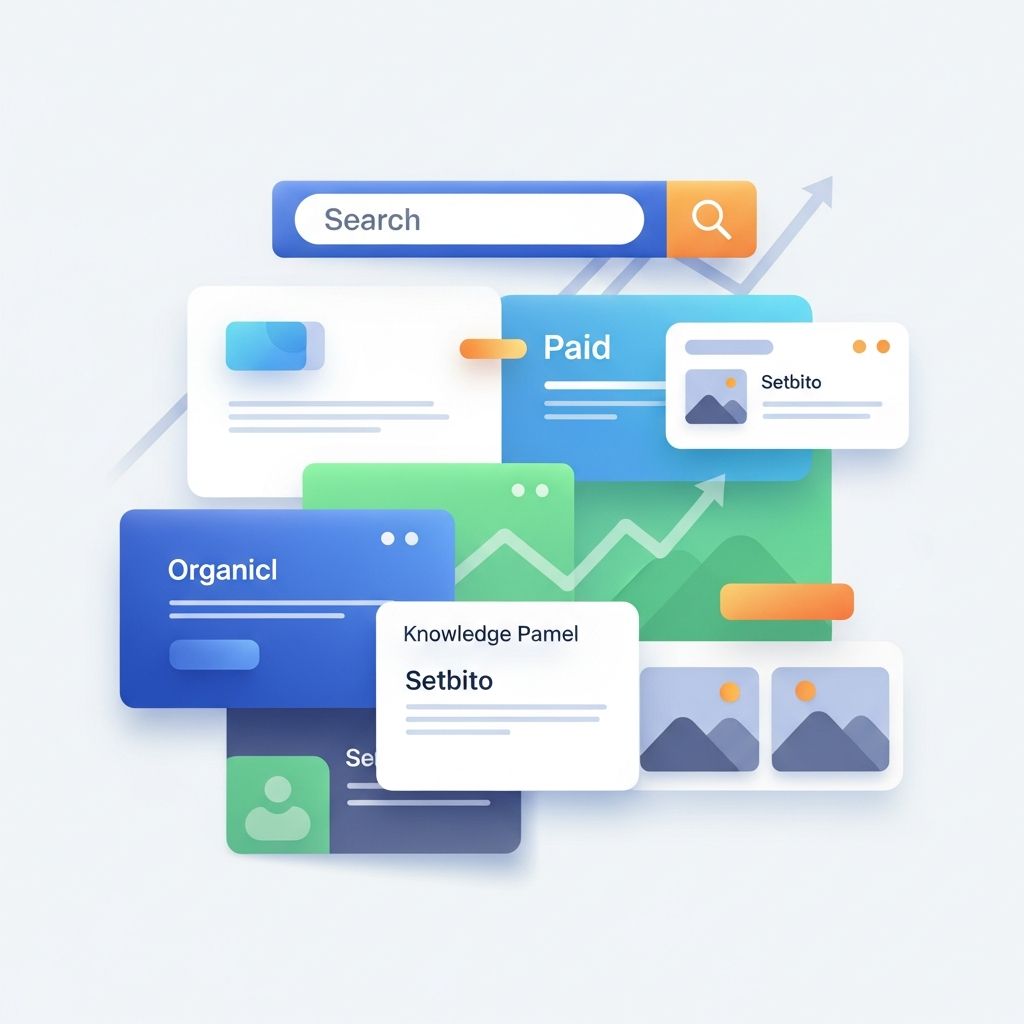
A typical SERP contains multiple types of content, including organic search results, paid advertisements, featured snippets, images, videos, and various other SERP features designed to provide users with comprehensive information in a single view.
How SERPs Work
Understanding the mechanics behind how SERPs function requires knowledge of several key processes that search engines employ to deliver relevant results. The process begins the moment a user enters a search query and concludes when the search engine displays a ranked list of results.
The Search Process
When you search for something online, the search engine immediately accesses its vast index of web pages. This index contains billions of pages that have been crawled and catalogued by search engine spiders, also known as web crawlers or bots. These automated programs continuously browse the internet, discovering new pages and updating information about existing pages.
The search engine then analyzes your query and retrieves pages from its index that match your search terms. However, simply matching keywords isn’t enough. The search engine must rank these pages based on relevance and quality to determine which results to display first.
Types of Pages on SERPs
Search engines display three main types of pages on SERPs:
– Pages that the search engine spider has crawled and indexed through organic discovery- Pages that have been manually added to the search engine’s directory- Pages that appear as a result of paid inclusion, meaning advertisers have paid for placement
Key Ranking Factors
Search engines use complex algorithms and ranking signals to determine which pages deserve top placement on SERPs. These signals help search engines assess the relevance and quality of web pages. Major ranking factors include:
Relevance
Google’s systems determine content relevance by analyzing whether the keywords on your page match the user’s query, among many other factors. The more closely your content aligns with what users are searching for, the higher your potential ranking.
Content Quality
Google considers signals that indicate expertise, authoritativeness, and trustworthiness. One significant signal is whether other prominent industry websites link to your site, a concept known as backlinks. High-quality content that demonstrates expertise naturally attracts links from reputable sources.
User Experience and Usability
Google’s systems prioritize pages with better user experience metrics. This includes mobile-friendly design, fast page loading speeds, intuitive navigation, and clear content organization. As more users access the web from mobile devices, mobile optimization has become increasingly critical for SERP rankings.
Context and Personalization
Search engines consider user-specific factors when ranking results. These personalization elements include the searcher’s geographic location, previous search history, browser history, and individual search settings. This explains why two users in different locations may see different top results for the same query.
Common SERP Features
Modern SERPs have evolved far beyond simple lists of blue links. Today’s search results pages include numerous features designed to provide users with quick answers and relevant information. Understanding these features is essential for optimizing your online presence.
Organic Search Results
Organic search results are the primary component of any SERP. These results consist of linked webpage titles (or title tags), URLs to each page, and brief descriptions of each webpage called meta descriptions. Organic results represent pages that have ranked naturally based on search engine algorithms, without paid promotion.
Top organic search results have impressive click-through rates. The first result garners an average click-through rate of 39.8 percent, while the second and third listings achieve 18.7 percent and 10.2 percent respectively. This underscores the importance of achieving top rankings.
Paid Search Advertisements
Paid search results are advertisements that appear on SERPs, typically labeled as “Sponsored” or “Ad.” Businesses bid on keywords to secure these premium positions, allowing their pages to appear at the very top of search results for increased visibility. Paid search functions as an auction, where advertisers compete for keyword placements.
Paid search results can put your business directly in front of a targeted audience based on their search terms, location, interests, and demographics. These ads may appear above organic results or to the right of the organic listings, depending on various factors.
Featured Snippets
Featured snippets are special SERP features that display a summary of relevant information directly on the results page, typically positioned above the first organic result. This “position zero” provides users with quick answers without requiring them to click through to a website. Featured snippets often include definitions, lists, tables, or procedural steps related to the user’s query.
Knowledge Graph
The Knowledge Graph is most commonly used for informational queries about individuals or organizations. It includes relevant information about the query, such as important dates, key facts, and images displayed in an organized information panel. This feature helps users quickly find factual information without visiting multiple websites.
Local Pack
A local pack appears when an individual searches for a specific local business or business type. For instance, if a user searches for restaurants in their area, a local pack will display a map with business locations, customer ratings, phone numbers, and other relevant business information. This feature is invaluable for local businesses targeting customers in their geographic area.
Rich Snippets
Rich snippets provide enhanced information about businesses in typical webpage listings, appearing directly below the page title. They include details such as a business’s average customer star rating and price range indicators using dollar signs. Rich snippets make search results more visually appealing and informative.
Additional SERP Features
Modern SERPs may also include:
– Top Stories: News articles related to trending or timely queries, typically appearing at the top of results- Shopping Results: Product listings with images, prices, and reviews for e-commerce searches- Images: A carousel or grid of relevant images related to the search query- Videos: Video content from platforms like YouTube related to the search term- People Also Ask (PAA): A list of related questions that users commonly ask, with quotes from search results answering those questions- AI Overviews: AI-generated summaries of search results providing direct answers to user queries- Twitter/Social Results: Relevant social media posts, especially for events with live coverage
Why SERPs Matter for Your Business
The importance of SERPs for online business cannot be overstated. If your website appears at the top of the SERP, it puts your business in front of more people, driving increased traffic and potential customers to your site.
The higher your business ranks on relevant SERPs, the more credibility and exposure your business will have across various search engines. This visibility directly translates to brand awareness, lead generation, and sales opportunities.
Search Engine Optimization and SERP Performance
Search engine optimization (SEO) is the practice of using knowledge about search engine algorithms and ranking factors to optimize information on a page so it organically ranks as high as possible on the first page of SERPs.
The fundamental principle behind SEO is straightforward: the higher on the SERP a piece of content, webpage, or website is, the more traffic it will receive. Since websites generate revenue when users click on their pages, driving as much traffic as possible to them is the primary goal of SEO professionals.
High ranking on a SERP indicates a strong keyword strategy and effective SEO implementation. When a page ranks organically, it means that the content has demonstrated expertise in its subject matter and follows best practices for search engine visibility.
How Search Engines Continuously Improve SERPs
Search engine providers are constantly evolving their platforms to enhance user experience and search result quality. These organizations regularly update their search algorithms to:
– Improve the types of results they provide- Incorporate new technologies and innovations- Analyze and index new webpages- Reduce spam and low-quality content- Better understand user search intent
Additionally, search engines provide tools such as Google Analytics, which offers data and analytics capabilities. These tools enable content providers and digital marketers to track webpage performance, collect data on user traffic, and identify trends to improve their ranking on results pages.
The Future of SERPs
As technology evolves, SERPs continue to transform. The introduction of AI Overviews and other artificial intelligence features represents a shift toward more conversational and direct answers. Mobile-first indexing has already changed how search engines prioritize and display results, reflecting the reality that most searches now occur on mobile devices.
Voice search optimization is becoming increasingly important as smart speakers and voice assistants grow in popularity. Similarly, the rise of visual search capabilities suggests that future SERPs may place greater emphasis on images and visual content alongside traditional text-based results.
Frequently Asked Questions
Q: What is the difference between organic and paid search results?
A: Organic search results are pages that have ranked naturally based on search engine algorithms and SEO efforts, while paid search results are advertisements where businesses have paid the search engine to display their listings at prominent positions on the SERP.
Q: Why does my SERP look different from someone else’s?
A: SERPs are personalized based on individual user data, including geographic location, search history, browser history, and device type. This customization ensures that each user receives the most relevant results for their specific context.
Q: How often do search engine algorithms change?
A: Search engines continuously update their algorithms, with major updates occurring several times per year and minor adjustments happening constantly. These updates aim to improve result quality and reduce spam.
Q: What is a featured snippet and why is it important?
A: A featured snippet is a special search result that appears at the top of the SERP (position zero) and provides a direct answer to the user’s query. Ranking in a featured snippet increases visibility and click-through rates significantly.
Q: How can I improve my website’s SERP ranking?
A: To improve SERP rankings, focus on creating high-quality, relevant content that matches user search intent, optimizing for mobile devices, improving page loading speed, acquiring high-quality backlinks, and implementing proper on-page SEO best practices.
Q: Does location affect SERP results?
A: Yes, location is a significant personalization factor. Search engines consider the user’s geographic location when ranking results, which is why local businesses and location-specific information often appear higher for users searching from particular areas.
References
- What Is a SERP? Search Engine Results Pages Explained — Semrush. 2025. https://www.semrush.com/blog/serp/
- What Is SERP? Search Engine Results Page Explained — Coursera. 2025. https://www.coursera.org/articles/what-is-serp
- What is a SERP? A Guide to Search Engine Results Pages — TechTarget. 2025. https://www.techtarget.com/whatis/definition/search-engine-results-page-SERP
- What is the SERP (Search Engine Results Page)? — Directive Consulting. 2025. https://directiveconsulting.com/resources/glossary/serp/
- What Is a SERP? How Search Engine Results Pages Work — WordStream. 2025. https://www.wordstream.com/serp
Similar Articles








Read full bio of Sneha Tete