Sending Money Abroad 2026: Compare Fees, Speed, Top Options
Master the essentials of international money transfers with cost-saving tips, top providers, and secure methods for 2026.
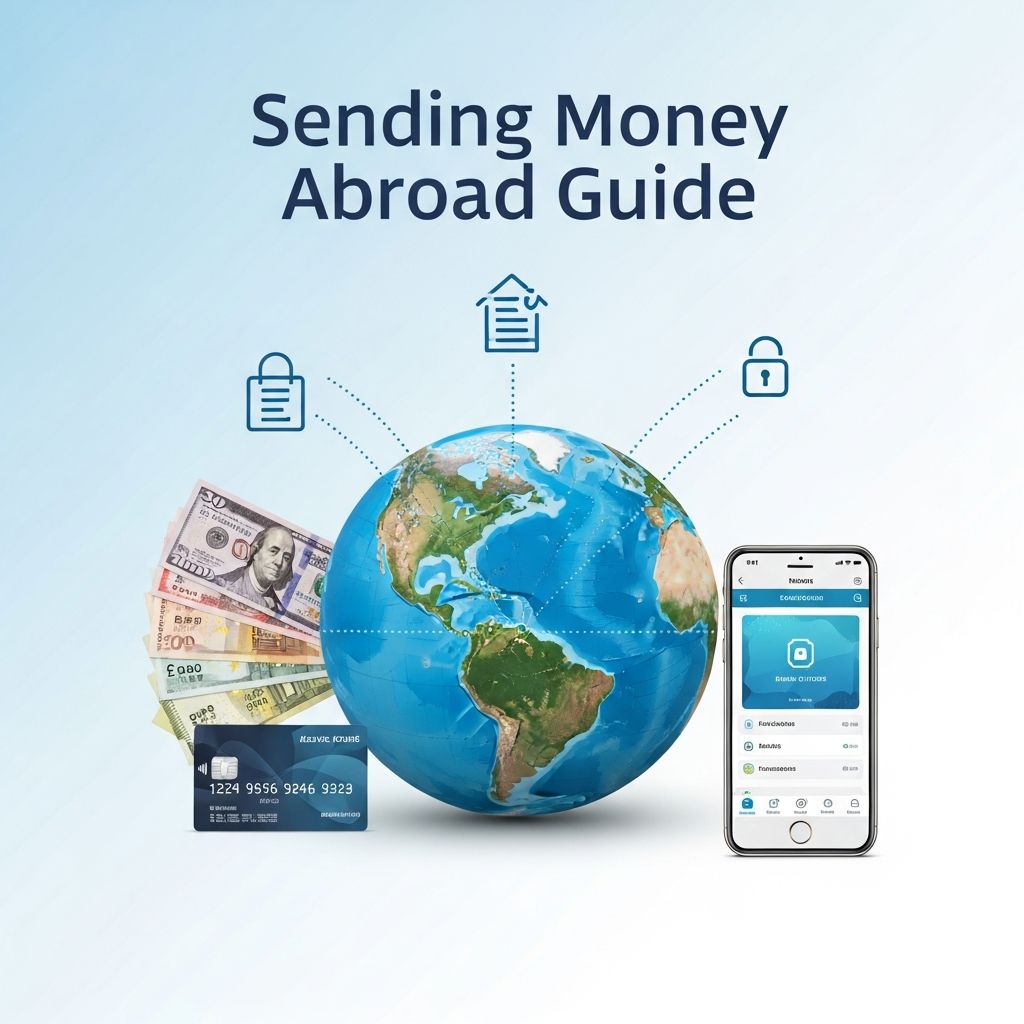
Transferring funds across borders has become essential for supporting family, paying suppliers, or handling personal expenses in today’s interconnected world. With numerous options available, selecting the right method balances cost, speed, and reliability. This guide breaks down popular approaches, highlighting strengths and potential drawbacks based on current market leaders.
Why International Transfers Matter More Than Ever
Global migration, remote work, and e-commerce drive demand for seamless cross-border payments. In 2026, over 280 million people live outside their birth country, creating a massive need for affordable remittance services. Traditional banks often charge steep fees and apply unfavorable exchange rates, while digital alternatives offer transparency and efficiency.
Key factors influencing your choice include the destination country, amount, urgency, and recipient’s access to banking. Understanding these helps avoid unnecessary expenses that can eat into 5-10% of your transfer value.
Core Methods for Moving Money Internationally
Several proven channels exist for overseas payments, each suited to different scenarios. Here’s an overview:
- Bank Wire Transfers: Direct bank-to-bank movements using systems like SWIFT. Secure for large sums but slow (2-5 days) and costly ($25-50 outgoing fees plus receiving charges).
- Online Transfer Platforms: Services like Wise and OFX use local accounts to minimize fees, providing mid-market exchange rates.
- Money Transfer Operators (MTOs): Networks such as Western Union and MoneyGram enable cash pickups, ideal for unbanked recipients.
- Digital Wallets and Apps: Options like PayPal or Revolut for quick peer-to-peer sends, often with limits.
- Specialized Providers: Fintechs focusing on speed (e.g., Xoom) or high-volume transfers (e.g., OFX).
Top Providers Compared: Fees, Speed, and Reach
Evaluating services requires looking beyond advertised fees to total costs, including exchange rate markups. The table below summarizes leading options based on U.S.-originated transfers.
| Provider | Best For | Countries Covered | Typical Fees/Markup | Speed | Max Limit (Online) |
|---|---|---|---|---|---|
| Wise | High limits, low fees | 160+ | <1% total | Hours to 2 days | High (varies) |
| OFX | No transfer fees, large amounts | 170+ | 1.6-4% markup | 1-4 days | No max ($1k min) |
| Xoom | Fast delivery | 160 | $0-$4 + 3% markup | Minutes to 1 day | Varies by country |
| MoneyGram | Cash pickup network | 200+ | Free debit + 2%+ markup | Same day | $5k |
| Western Union | Global agents | 200+ | $5-30 + up to 1.5% markup | Minutes to days | $1k-$10k |
| Revolut | Account-to-account | 140+ | 1-2% or free intra-app | Instant to 2 days | Plan-dependent |
| Xe | Multi-language support | 130+ | $4 + <1.5% markup | 1-4 days | High ($1k min) |
Wise stands out for transparent pricing, using the real mid-market rate without hidden markups. Fund via bank account for the lowest costs. OFX excels for transfers over $10,000, waiving upfront fees entirely.
Breaking Down Costs: What Really Adds Up
Fees fall into three buckets: upfront charges, exchange rate spreads, and intermediary bank costs. Banks often add 3-5% via poor rates, while specialists like Wise keep it under 1%.
- Upfront Fees: $0 for debit-funded Xoom deposits; up to $30+ for Western Union credit card sends.
- Exchange Markups: The hidden killer—providers buy currency cheap and sell high. Revolut caps at 0.5% for tested routes.
- Receiving Fees: Common in wires ($10-20); rare in fintech apps.
Pro Tip: Always use a calculator tool on provider sites to preview total recipient amounts before committing.
How Speed Varies by Method and Destination
Urgency dictates choice. Instant options suit emergencies, while wires fit non-time-sensitive needs.
- Minutes: Xoom or MoneyGram cash pickups.
- Hours: Wise bank deposits.
- 1-2 Days: Most apps like Revolut.
- 3-5 Days: Traditional wires or OFX for distant corridors.
Factors like holidays, cut-off times, and compliance checks (e.g., AML verification) can delay any transfer.
Security Essentials for Safe Transfers
Protect against fraud with these practices:
- Verify recipient details twice—IBAN/SWIFT errors are irreversible.
- Use two-factor authentication on apps.
- Avoid public Wi-Fi for transactions.
- Monitor for phishing; legitimate providers never request full card details via email.
- Opt for tracked services with refund policies.
Regulated providers (e.g., FDIC-insured partners) offer buyer protection up to certain limits.
Navigating Regulations and Limits
U.S. senders face FinCEN reporting for $10,000+ transactions. Recipients in countries like India have RBI caps (e.g., $250k/year via LRS). Always check local rules to avoid blocks. Apps enforce daily/annual limits, often higher for verified accounts.
Step-by-Step: Making Your First Transfer
1. Compare providers using total cost calculators.
2. Sign up and verify identity (passport/ID).
3. Enter recipient’s bank details or agent locator for cash.
4. Fund via ACH, debit, or wire.
5. Track via app notifications.
6. Confirm receipt before closing.
Special Scenarios: Tailored Advice
- Large Sums (>$10k): OFX or bank wires for security.
- No Bank Account Recipient: Western Union/MoneyGram agents.
- Frequent Sends: Revolut plans for fee waivers.
- Business Payments: Stripe or OFX with invoicing.
Common Pitfalls to Avoid
Don’t use credit cards for funding—fees skyrocket to 3-5%. Skip PayPal for non-friends/family; its 5% + fixed fee beats specialists. Zelle is U.S.-only, useless abroad.
Frequently Asked Questions
Is Wise cheaper than my bank?
Yes, typically 8x lower fees due to mid-market rates.
Can I cancel a transfer?
Possible if not yet funded/processed; check provider policy.
What documents do I need?
ID for verification; recipient IBAN/routing for banks.
Are transfers taxable?
Gifts under $18k/year (2026) are tax-free; report larger via IRS Form 709.
How to get the best exchange rate?
Transfer on weekdays during peak hours; avoid weekends with 1% surcharges.
Future Trends in Global Payments
Blockchain and stablecoins promise near-zero fees, but regulations lag. CBDCs from central banks may disrupt by 2030. For now, stick to established fintechs.
References
- 7 Best Ways to Send Money Internationally 2026 — NerdWallet. 2026. https://www.nerdwallet.com/banking/learn/best-ways-to-wire-money-internationally
- International Money Transfer: The Ultimate Comparison [2020 Guide] — MyVA360. 2020. https://myva360.com/blog/international-money-transfer-comparison
- International Money Transfer Methods: The 5 Popular Choices — PayWho. Undated. https://www.paywho.com/blog/international-money-transfer-methods-the-5-popular-choices
Similar Articles








Read full bio of medha deb