Selling Your Home As-Is: A Complete Guide
Discover how to sell your house without repairs, save time and money, and navigate the process successfully for a smooth transaction.

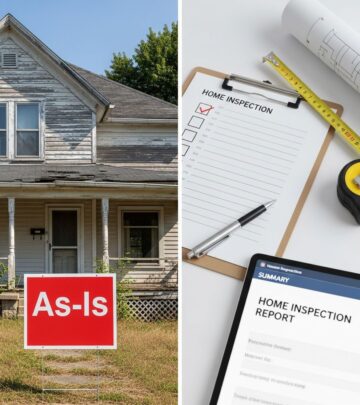
Opting to sell your property in its present state allows homeowners to bypass expensive renovations and time-intensive preparations. This approach appeals particularly to those facing urgent relocations, financial constraints, or properties requiring significant upkeep. By clearly advertising the home as-is, sellers can target investors, flippers, or cash buyers ready to handle issues post-purchase.
Understanding the As-Is Sale Concept
An as-is sale signifies that the property transfers to the buyer exactly as viewed during showings, without seller commitments to fixes or enhancements. Buyers accept responsibility for any defects, though they retain rights to inspections and negotiations in certain scenarios. This method streamlines transactions but demands transparency to avoid legal pitfalls.
Key elements include upfront disclosure of known problems and pricing that mirrors the home’s condition. Unlike traditional sales, where sellers often remedy inspection findings, as-is listings set firm boundaries from the outset.
Advantages of Choosing an As-Is Sale
This strategy offers multiple benefits for motivated sellers:
- Cost Savings: Eliminate expenses on repairs, painting, or staging, potentially saving thousands.
- Time Efficiency: Accelerate the process by skipping preparation phases, ideal for quick moves.
- Reduced Stress: Avoid managing contractor schedules and surprise repair demands.
- Broader Appeal to Specific Buyers: Attract investors seeking value-add opportunities without competition from pristine listings.
Potential Drawbacks to Consider
While advantageous, as-is sales present challenges:
- Lower Offers: Buyers factor in repair costs, often resulting in reduced sale prices.
- Limited Buyer Pool: Primarily draws cash buyers or fixers, excluding many financed traditional purchasers.
- Negotiation Risks: Inspections may prompt concession requests, testing the seller’s resolve.
- Legal Obligations: Full disclosure remains mandatory; omissions can lead to lawsuits.
Step-by-Step Process for an As-Is Transaction
Follow these structured steps to execute a successful as-is sale:
- Assess Property Condition: Conduct a thorough self-inspection or hire a professional to identify issues like roof damage, plumbing faults, or structural concerns.
- Gather Documentation: Compile records of past repairs, warranties, and known defects for disclosure forms.
- Price Realistically: Use comparable sales data adjusted for as-is status; consult appraisers for accuracy.
- Market Transparently: Highlight ‘as-is’ in all listings, photos, and descriptions to filter serious inquiries.
- Review Offers: Prioritize cash offers for speed and certainty; negotiate concessions if needed.
- Finalize Closing: Coordinate with title companies and ensure smooth title transfer.
Pricing Strategies for Maximum Value
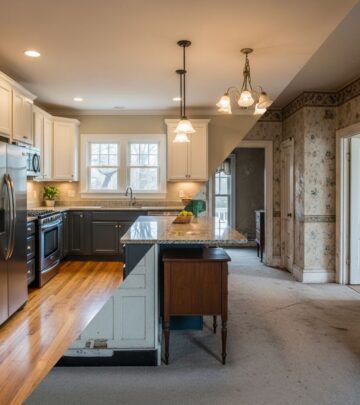
Determining the right price is crucial. Start with a professional appraisal or comparative market analysis (CMA) reflecting repair costs. For instance, if similar fixed-up homes sell for $300,000 and repairs total $50,000, aim for $230,000-$250,000.
| Factor | Impact on Price | Example Adjustment |
|---|---|---|
| Minor Cosmetic Issues | 5-10% Reduction | $15,000 off for painting/updates |
| Major Structural Repairs | 20-30% Reduction | $60,000 off for foundation work |
| Market Demand | Variable | Higher in investor-heavy areas |
| Location Perks | Offset | +10% for prime neighborhood |
Overpricing leads to stagnation; underpricing sacrifices equity. Tools like online estimators provide initial benchmarks, but local expertise refines them.
Legal Requirements and Disclosures
Every state mandates seller disclosures detailing material defects, regardless of as-is status. Forms cover hazards like mold, lead paint, or flooding history. Failure to disclose invites post-sale liability. Federal rules, such as lead-based paint disclosures for pre-1978 homes, also apply universally.
Consult real estate attorneys to tailor documents. In some regions, pre-listing inspections bolster credibility and preempt surprises.
Marketing Your As-Is Property Effectively
Visibility drives success. Platforms like Zillow, Realtor.com, and Facebook Marketplace reach wide audiences when tagged ‘as-is’. Emphasize positives: lot size, location, potential ROI for investors.
- High-quality photos showcasing strengths, not flaws.
- Virtual tours for remote buyers.
- Targeted ads to investor groups.
- Yard signs noting ‘Investor Special’ or ‘Quick Close As-Is’.
Partnering with agents experienced in distressed properties enhances exposure.
Choosing the Right Selling Method
Several paths suit as-is sales:
| Method | Pros | Cons | Best For |
|---|---|---|---|
| Traditional Agent | MLS access, negotiation help | Commission fees, longer timeline | Moderately distressed homes |
| For Sale By Owner (FSBO) | No commissions, full control | Marketing burden, legal risks | Handy sellers with networks |
| Cash Buyers/Investors | Fast close, no repairs | Lowest offers | Urgent sales |
| iBuyers | Quick offers, convenience | Fees, limited availability | Good condition as-is |
Cash sales often close in 7-14 days, bypassing appraisals and financing delays.
Handling Inspections and Negotiations
Buyers frequently inspect despite as-is terms. Respond professionally: reiterate no repairs but consider closing cost credits for lender-mandated fixes. Strategies include:
- Pre-inspection to disclose findings upfront.
- Capping concessions at a fixed amount.
- Walking away from unreasonable demands.
If deals falter, relist aggressively with price adjustments.
Common Myths Debunked
Myth 1: As-is means no disclosures. Fact: Laws require honesty.
Myth 2: Only for dilapidated homes. Fact: Viable for any property.
Myth 3: Impossible with financed buyers. Fact: Possible, though cash preferred.
Frequently Asked Questions (FAQs)
Can I sell as-is in any state?
Yes, as-is sales are legal nationwide, but disclosure rules vary.
Will I get full market value?
Typically lower, accounting for buyer repair investments.
How long does an as-is sale take?
2-4 weeks with cash buyers; longer traditionally.
Do buyers still get inspections?
Often yes, but sellers aren’t obligated to fix issues.
Is a realtor necessary?
No, but helpful for pricing and marketing.
Final Tips for Success
Prepare emotionally for lower proceeds, network with local investors, and time listings for peak markets. Professional guidance from agents or attorneys minimizes risks. Ultimately, as-is sales empower sellers to move forward without repair burdens, securing swift transitions.
References
- Selling a house as is: What to know — Rocket Mortgage. 2023. https://www.rocketmortgage.com/learn/selling-as-is
- How to Sell My House As Is – Expert Guide — Brad Officer. 2024. https://www.bradofficer.com/blog/how-to-sell-my-house-as-is.html
- Selling My House As-Is: A Complete Guide — Sundae. 2024. https://sundae.com/blog/sell/selling-a-house-as-is/
- How to Sell a House As-Is When it Needs Repairs — Zillow. 2024. https://www.zillow.com/learn/how-to-sell-a-house-as-is-when-it-needs-repairs/
- The Ultimate Guide to Selling a House As Is — First Choice Home Buyers. 2023. https://firstchoicehomebuyers.com/the-ultimate-guide-to-selling-a-house-as-is/
- How To Sell A House As Is in Texas — Bankrate. 2025-02-01. https://www.bankrate.com/real-estate/sell-house-as-is-texas/
Similar Articles








Read full bio of Sneha Tete