Selling Your Car To A Private Buyer: Complete Checklist
Unlock maximum value from your vehicle with our comprehensive guide to private sales, covering pricing, prep, legal steps, and safety measures for a smooth transaction.
Opting for a private sale often yields higher returns than trading in at a dealership, but it demands careful planning to navigate legal, financial, and logistical hurdles effectively. This guide outlines every essential phase, from initial valuation to final handover, empowering you to complete the process confidently and securely.
Assessing Your Car’s Market Value
Establishing a realistic price sets the foundation for a successful sale. Begin by researching comparable vehicles using trusted online tools that factor in make, model, year, mileage, condition, and location. These platforms provide ranges for private party transactions, which typically exceed trade-in offers but fall short of dealer retail prices.
Consider regional demand, current market trends, and your car’s unique attributes like upgrades or recent maintenance. Gather documentation such as service records and a vehicle history report to justify your asking price. Be transparent about any flaws to build buyer trust and avoid disputes later.
- Key valuation factors: Mileage under 12,000 per year boosts value; accident history or poor maintenance reduces it.
- Tools to use: Input accurate condition details—excellent, good, fair—for precise estimates.
- Pro tip: Price slightly above your target to allow negotiation room, aiming for 5-10% flexibility.
Preparing the Vehicle for Maximum Appeal
A clean, well-maintained car attracts serious buyers and commands premium prices. Start with a thorough detailing: wash exterior, clay bar contaminants, wax for shine, and clean wheels meticulously. Inside, vacuum carpets, condition leather or vinyl, and eliminate odors with professional treatments.
Remove all personal items, including documents from the glovebox, to protect privacy. Reinstall any original accessories like floor mats. Address minor repairs—fix bulbs, touch up scratches—to prevent lowball offers. Compile records proving regular servicing, as buyers value documented care.
| Prep Area | Tasks | Expected Impact |
|---|---|---|
| Exterior | Wash, wax, tire shine | +10-15% perceived value |
| Interior | Vacuum, sanitize, organize | Builds buyer confidence |
| Mechanical | Oil change, fluid checks | Supports inspection results |
Crafting an Effective Sales Listing
High-quality photos and detailed descriptions drive inquiries. Capture 20+ images in daylight: front, rear, sides, interior, engine bay, odometer, and flaws. Write a compelling ad highlighting positives—low miles, new tires—while disclosing issues honestly to comply with laws and foster trust.
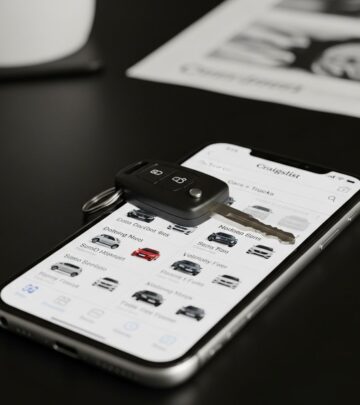
Post on multiple platforms: online marketplaces, classifieds, and local forums. Include VIN for history checks, full specs, and your contact rules (e.g., no Sundays). Set clear test drive policies requiring insurance proof.
Screening Buyers and Arranging Test Drives
Not all responders are qualified; qualify leads by asking about budget, timeline, and financing status. Verify identity and insist on valid driver’s license and insurance during test drives. Meet in public, well-lit areas, and accompany drives or use a third party.
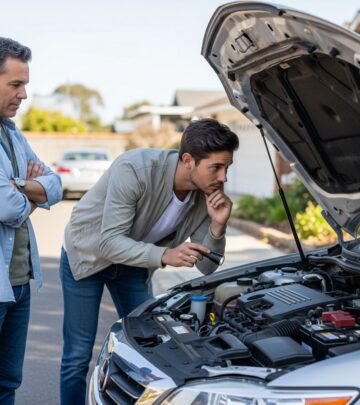
Discuss pre-purchase inspections upfront—budget-conscious buyers appreciate transparency. Keep records of communications for protection.
- Red flags: Buyers dodging paperwork questions or pushing all-cash without verification.
- Safety measures: Share your location with a friend; prefer bank-verified funds.
Essential Paperwork for Legal Transfer
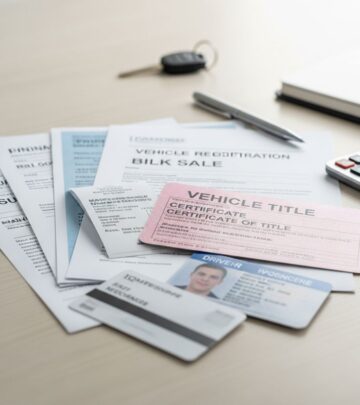
Accurate documentation shields you from post-sale liability. Core items include the title, bill of sale, and odometer disclosure. Federal law mandates mileage reporting; state rules vary on additional forms like release of liability.
Prepare two bill of sale copies detailing vehicle info (VIN, make, model, year), sale price, date, and signatures. This supports tax/fee payments and serves as receipt.
Handling the Vehicle Title
The title is the ownership proof. Sign only after payment clears. For multiple owners, check connectors: ‘or’ needs one signature; ‘and’ requires all. Provide buyer with signed title promptly.
Report of Sale and Liability Release
Submit a report of sale within 5 days in states like Washington to notify authorities and limit liability for future incidents. Use official forms; online submission is often available.
Securing Payment Safely
Never release keys or title without verified funds. Preferred methods: cashier’s checks at a bank, wire transfers, or escrow services for high-value deals. Avoid personal checks or cash without counting in a safe spot.
For financed buyers, confirm lender approval first. Use safe exchange spots like DMV offices or banks.
Finalizing the Sale and Post-Sale Steps
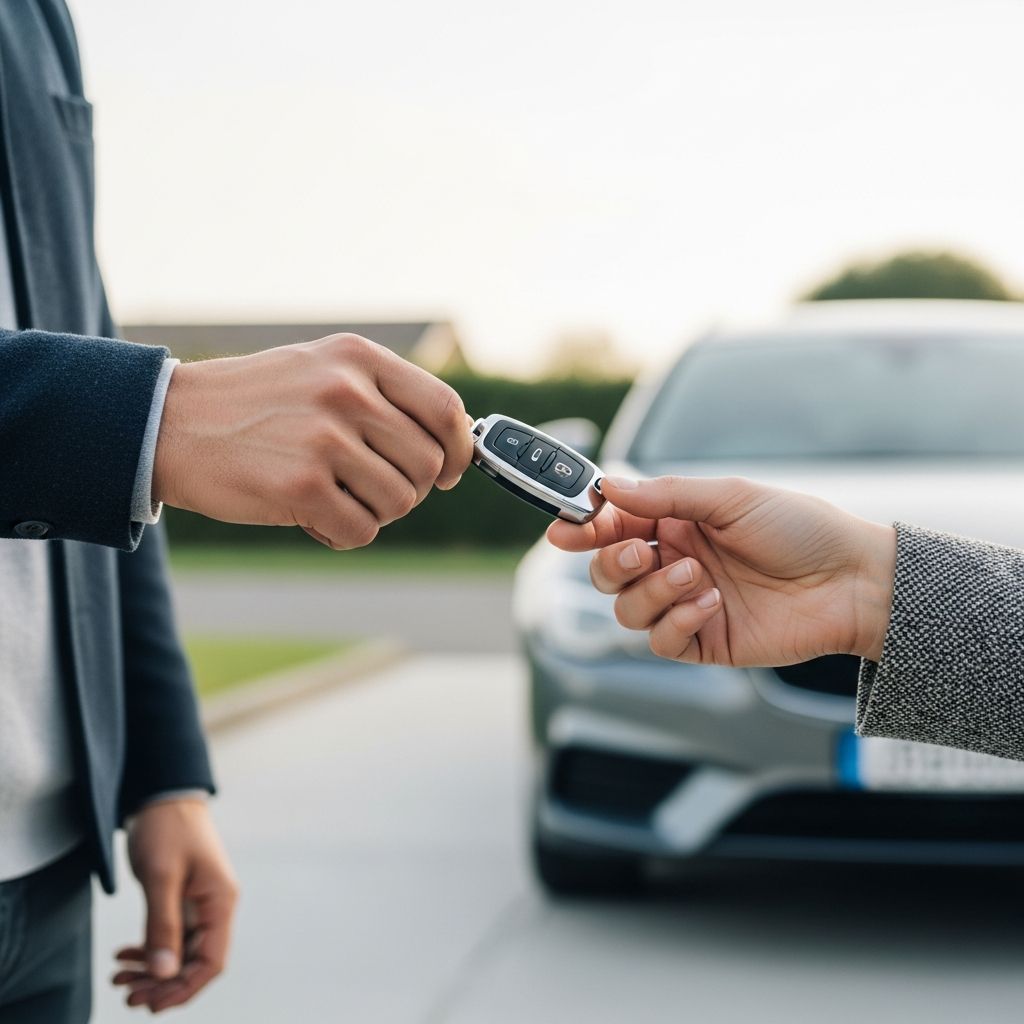
Once paid, remove plates (they stay with you), hand over keys and documents, and cancel insurance immediately. Notify relevant services of the transfer. Retain copies of all paperwork for your records.
Buyers typically have 15-30 days to retitle; remind them to avoid delays.
State-Specific Considerations
Requirements differ: some mandate emissions tests, others notary on bills of sale. Check your DMV site for forms like Washington’s Report of Sale. Lost titles? Apply for duplicates promptly, often with fees.
Frequently Asked Questions
Do I need a bill of sale for every private sale?
While not always mandatory, it’s crucial for records, taxes, and liability protection. Most states recommend it.
How do I protect myself during test drives?
Require proof of insurance, limit drive routes, and document the driver’s info.
What if the buyer finds issues post-sale?
Private sales are typically ‘as-is’; disclose known defects upfront to minimize claims.
Can I sell without a title?
No—obtain a replacement first via your DMV.
Should I cancel insurance before handover?
No, maintain coverage until title transfers to avoid gaps.
Common Pitfalls to Avoid
- Skipping the report of sale, risking tickets/liability.
- Handing over title pre-payment.
- Ignoring state deadlines for notifications.
- Poor photos leading to few inquiries.
References
- How to Sell a Car in Washington – Autotrader — Autotrader. 2023. https://www.autotrader.com/sell-my-car/in-wa
- How to Sell a Car Safely – Progressive — Progressive. 2024. https://www.progressive.com/answers/how-to-safely-sell-car/
- How to Sell a Car: 10 Steps for Success — Kelley Blue Book. 2024. https://www.kbb.com/car-advice/how-to-sell-a-car-10-steps-for-success/
- Report the selling or buying of a vehicle — Washington Law Help. 2023-11-01. https://www.washingtonlawhelp.org/en/report-selling-or-buying-vehicle
Similar Articles








Read full bio of Sneha Tete