Selling Your Car To A Dealer: Step-By-Step Roadmap
Discover expert strategies to maximize value and streamline the process when trading your vehicle directly to a dealership for quick cash.

Opting to sell your vehicle directly to a dealership offers a straightforward path to cash without the uncertainties of private sales. Dealerships often provide instant appraisals and payment, making it ideal for those needing speed and simplicity. This guide outlines every step, from initial preparation to final handover, ensuring you secure the highest possible offer.
Why Choose a Dealership Over Private Buyers?
Dealerships streamline the selling process by handling paperwork, inspections, and payments in-house. Unlike private transactions that may drag on for weeks with financing delays, dealers can often close deals within hours or days. They purchase vehicles outright or as trade-ins, even if you have an outstanding loan, wrapping any negative equity into new financing if applicable.
- Speed: Receive cash or check on the spot after appraisal.
- Convenience: No need to advertise, meet strangers, or manage test drives.
- Expertise: Dealers manage all legal transfers and title work.
Current market dynamics, such as fluctuating used-car values, make timing crucial. Dealers actively stock inventories, potentially leading to competitive bids.
Assessing Your Vehicle’s Market Value
Before approaching any dealer, determine your car’s worth using reliable valuation tools. Input details like make, model, year, mileage, condition, and location to get accurate estimates for both retail and trade-in values. Be transparent about any damage or mechanical issues to avoid surprises during appraisal.
| Factor | Impact on Value | Tips |
|---|---|---|
| Mileage | High mileage reduces value | Under 12,000 miles/year is ideal |
| Condition | Excellent exterior/interior boosts offers | Fix minor issues pre-sale |
| Accidents/Repairs | Lowers value significantly | Disclose via history reports |
| Location/Market | Regional demand varies | Check local vs. national averages |
Gather multiple quotes online for leverage. Tools provide instant cash offers from participating dealers, valid for a short window like seven days.
Essential Preparations Before Visiting a Dealer
A well-prepared vehicle and seller command better offers. Start with a deep clean: wash exterior, vacuum interior, and remove personal items. Professional detailing can add hundreds to your payout by creating a strong first impression.
Conduct a self-inspection or get a mechanic’s check for older models. Address simple fixes like burnt-out bulbs or worn wipers. Compile all records to demonstrate maintenance history, which reassures buyers of reliability.
- Clean thoroughly inside and out.
- Remove belongings from glovebox, trunk, and consoles.
- Check tire pressure, fluids, and basic functions.
- Have extra keys ready.
Gathering Critical Documents for a Smooth Sale
Dealers require proof of ownership and financial status. Missing paperwork can delay or derail deals. If financed, obtain a payoff quote from your lender 24-48 hours prior, as balances fluctuate daily.
- Title: Clean title signed over; lienholder provides if loaned.
- Registration: Current and valid.
- Service Records: Invoices for oil changes, repairs.
- Payoff Quote: For financed vehicles.
- ID: Driver’s license for verification.
- Bill of Sale: Dealer often prepares.
For leased vehicles, contact the lessor for buyout details. Ensure plates and stickers are removed post-sale per state rules.
Finding and Selecting the Right Dealership
Not all dealers offer the same prices. Target those specializing in your vehicle’s make for better valuations, especially for certified pre-owned eligible cars. Call ahead to confirm interest and get preliminary quotes based on VIN and mileage.
Research inventory online: Dealers short on similar models may bid higher. Shop multiple locations—aim for 3-5 quotes within a short timeframe to compare.
- Prioritize same-brand dealers.
- Avoid lowball initial offers; negotiate.
- Visit during weekdays for less rush.
The Dealership Appraisal Process Explained
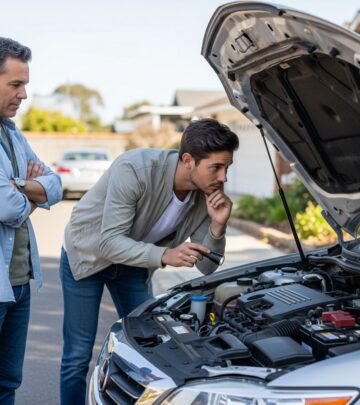
Upon arrival, inform staff you’re selling outright. A manager or appraiser will inspect exterior, interior, engine bay, and test-drive. They’ll run a VIN check for history, odometer, and liens. Expect 30-60 minutes for thorough evaluation.
Appraisers factor wholesale auction values, reconditioning costs, and resale potential. Initial offers may seem low—counter with your research. Multiple offers strengthen your position.
If the car matches your description from online tools, payment follows immediately. Discrepancies lead to adjustments; walk away if unsatisfied.
Negotiation Strategies for Maximum Payout
Armed with values, negotiate confidently. Dealers build in margins for profit, so push for more. Highlight positives like low miles or recent services. If trading for a new car, negotiate sale price separately from trade-in.
- Present competing offers.
- Focus on total equity, not just trade-in figure.
- Decline add-ons like warranties.
- Be ready to leave—best deals often come at the door.
Don’t linger; offers expire as markets shift. Aim to close same-day for cash deals.
Finalizing the Transaction Securely
Once agreed, review the buyer’s order: “as-is” sale, no warranties. Sign title over only after payment confirmation. Dealers issue checks or cash; for loans, they pay lienholder directly, giving you remainder.
Remove plates, registration stickers, and personal items. Retain copies of all documents. State DMV may require sales reports within days.
Special Scenarios: Loans, Leases, and Classics
Financed Cars: Dealer handles payoff; you cover shortfall if upside-down. Process takes longer.
Leased Vehicles: Buy out lease first or sell equity if positive.
Classics/Specialty: Seek enthusiast dealers; standard ones undervalue.
Frequently Asked Questions (FAQs)
Can I sell without a title?
No, but if lienheld, provide payoff info; dealer coordinates release.
How long is an appraisal offer valid?
Typically 3-7 days; confirm and act quickly.
Do I pay taxes on the sale?
No sales tax on direct-to-dealer sales in most states; trade-ins offset new purchase tax.
What if the dealer finds issues post-appraisal?
Renegotiate or walk; ensure pre-inspection matches.
Is selling to a dealer always cheaper than private?
Often yes, but convenience justifies for many.
Post-Sale Checklist
- Cancel insurance and registration.
- Notify DMV of sale.
- Keep records for taxes if applicable.
- Update loan/lease if rolled over.
References
- Buy/Sell Procedures for New Vehicle Dealers — California DMV. 2023. https://www.dmv.ca.gov/portal/vehicle-industry-services/occupational-licensing/occupational-licenses/vehicle-dealer-license/buy-sell-procedures-for-new-vehicle-dealers/
- Can I Sell My Car to a Dealership? — Kelley Blue Book. 2024. https://www.kbb.com/car-advice/can-i-sell-my-car-to-a-dealership/
- How Does Selling to a Dealer Work? — Cars.com. 2024. https://www.cars.com/articles/how-does-selling-to-a-dealer-work-1420680461999/
- Selling a Car to Dealer – First Timer — Leasehackr Forum. 2023. https://forum.leasehackr.com/t/selling-a-car-to-dealer-first-timer-what-to-look-out-for/571313
Similar Articles








Read full bio of Sneha Tete