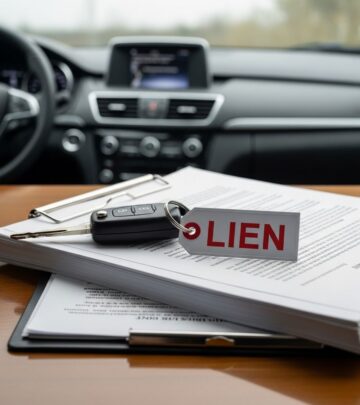
Selling a Financed Car: Complete Guide
Navigate the complexities of selling your vehicle while payments remain—unlock maximum value without pitfalls.

Owning a vehicle with an active auto loan doesn’t prevent you from selling it. The key lies in coordinating the sale proceeds with your lender to clear the lien and transfer ownership cleanly. This process demands careful planning to avoid financial shortfalls or legal issues.
Understanding Vehicle Equity and Loan Payoff
Equity represents the difference between your car’s market value and the remaining loan balance. Positive equity occurs when the vehicle is worth more than owed, allowing profit from the sale. Negative equity, or being ‘upside down,’ means the loan exceeds the value, requiring extra funds to complete the transaction.
To start, obtain your exact payoff amount from the lender, which includes principal, accrued interest, and potential fees. This figure often differs from your online account balance due to daily interest calculations.
- Contact your lender via phone or portal for a 10-day payoff quote, valid for that period.
- Review loan terms for prepayment penalties, though rare in modern auto loans.
- Use tools like Kelley Blue Book or Edmunds to estimate your car’s value based on mileage, condition, and location.
| Equity Type | Description | Sale Implication |
|---|---|---|
| Positive | Value > Loan | Profit after payoff |
| Zero | Value = Loan | Breakeven sale |
| Negative | Value < Loan | Pay difference out-of-pocket |
Step-by-Step Preparation Before Listing
Gather essential documents early: loan statements, vehicle history report, maintenance records, and current registration. Even if expired, sales are legal in most states, though buyers may need to settle fees during transfer.
Notify your lender of sale intentions. They outline specific protocols, such as requiring in-person visits for private sales or direct dealer coordination for trade-ins.
- Appraise the vehicle independently.
- Secure payoff details in writing.
- Disclose the lien upfront to potential buyers for transparency.
Private Party Sales: Maximizing Returns
Private sales often yield the highest prices but involve more coordination. List on platforms like Craigslist, Facebook Marketplace, or Autotrader, clearly stating the financed status.
Upon agreement, direct buyer payment to your lender. For positive equity, the lender releases the remainder to you post-payoff. With negative equity, supply the shortfall via cashier’s check or wire transfer.
Private Sale Pros and Cons
- Pros: Highest potential payout, full control over process.
- Cons: Time-intensive, paperwork burden, buyer financing delays.
Services like KeySavvy simplify this by handling payoff quotes and collecting shortfalls, enabling sales without full upfront payment.
Trade-Ins at Dealerships: Convenience Trade-Off
Dealerships streamline trades by appraising on-site and managing lender payoffs directly. If equity is positive, credits apply to your new purchase; negative equity rolls into the new loan—use cautiously to avoid escalating debt.
Haggle aggressively; initial offers undervalue to build negotiation room. Provide lender details upfront for seamless processing.
Dealers expect negotiation and can cover payoffs instantly, but watch for rolled-over negative equity inflating future payments.
Instant Buyer Services: Speed Over Price
Platforms like CarMax, Carvana, or local buyers offer quick quotes online or in-person. They pay off loans directly and issue checks for any surplus, minimizing your involvement.
Ideal for urgent needs, though offers trail private or trade-in values. Verify their lien-handling process matches your lender’s requirements.
Handling Negative Equity Challenges
When underwater, options include paying the gap personally, securing a personal loan (for strong credit), or delaying sale until equity improves via payments or value appreciation. Refinancing the current loan at lower rates can also bridge gaps without selling.
Avoid rolling negative equity repeatedly, as it compounds interest costs long-term. Calculate total ownership expenses before proceeding.
Legal and Title Transfer Essentials
The lender holds the title until payoff. Post-clearance, they mail the clean title or electronic lien release. For private sales, meet at the lender’s branch if required, ensuring funds clear before key handover.
State DMVs vary: some demand smog checks or bills of sale. Use secure methods like escrow for large payments to protect all parties.
Tax and Financial Implications
Sales may trigger capital gains taxes if profit exceeds thresholds, though rare for personal vehicles. Track proceeds for IRS reporting. Paying off loans boosts credit scores by reducing debt utilization.
Frequently Asked Questions
Can I sell without paying off the loan first?
Yes, buyers or dealers handle payoffs directly during the transaction.
What if the buyer finances their purchase?
Their lender pays yours directly, streamlining the process.
Is negative equity a deal-breaker?
No, but cover the difference to avoid complications.
How long until I get the title?
Typically 1-4 weeks after payoff confirmation.
Do I need a lawyer?
Not usually, but consult for high-value or complex cases.
Timing Your Sale Strategically
Sell in spring/summer when demand peaks, or before warranty expires. Monitor market trends via indices like Manheim Used Vehicle Value Index for optimal pricing.
For 2026, with stabilizing rates, financed sales remain viable, but inventory shortages could favor sellers.
In summary, selling a financed car hinges on transparency, precise calculations, and lender cooperation. Whether private, trade-in, or service-based, prioritize equity assessment to ensure profitable outcomes.
References
- How to Sell Your Car When You Still Owe on Your Loan — Utah First Credit Union. 2025-07-28. https://utahfirst.com/how-to-sell-your-car-when-you-still-owe-on-your-loan/
- Can You Sell a Car with an Outstanding Loan? — Servco Buying Center. Accessed 2026. https://www.servcobuyingcenter.com/car-selling-outstanding-loan.html
- How to Sell a Car With a Loan — Experian. Accessed 2026. https://www.experian.com/blogs/ask-experian/how-to-sell-car-with-a-loan/
- How to Sell Your Car When You Still Have a Loan — NerdWallet. Accessed 2026. https://www.nerdwallet.com/auto-loans/learn/how-to-sell-your-car-when-you-still-have-a-loan
- How to Sell a Financed Car You Still Owe Money On — Capital One Auto Navigator. Accessed 2026. https://www.capitalone.com/cars/learn/managing-your-money-wisely/how-to-sell-a-financed-car-you-still-owe-money-on/1478
Similar Articles








Read full bio of Sneha Tete