Selling Your Car Without a Title: Legal Guide
Navigate the complexities of transferring vehicle ownership when your title is missing, with state-specific strategies and essential paperwork tips.
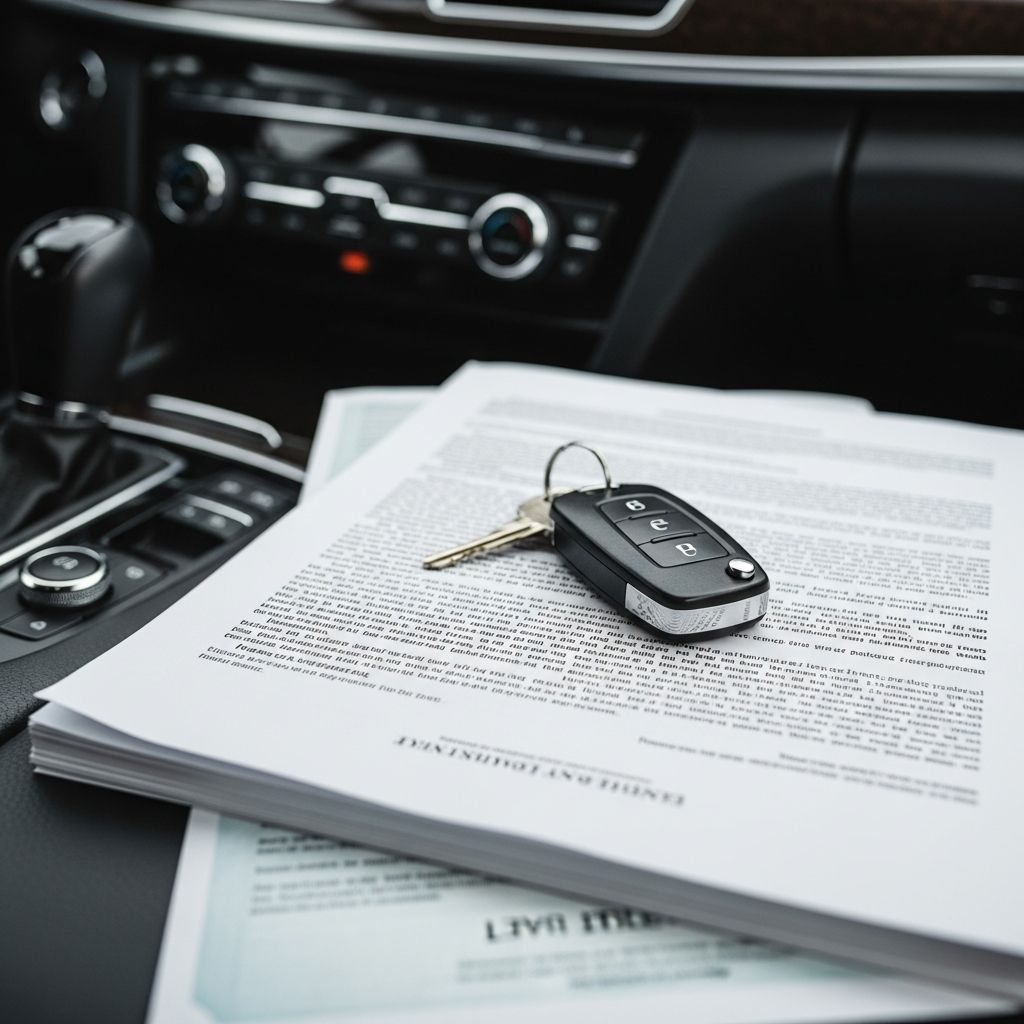
Transferring ownership of a vehicle without its title presents unique challenges but remains feasible through established legal channels in most U.S. states. While proof of ownership is mandatory for legitimate sales, specific procedures allow sellers to proceed when the title is lost, damaged, or inapplicable due to vehicle age.
Understanding Vehicle Titles and Ownership Proof
A vehicle title serves as the official document proving legal ownership, containing critical details like the Vehicle Identification Number (VIN), make, model, year, and current owner information. Without it, sales risk being deemed invalid or illegal, as buyers cannot register the car or obtain insurance.
In the U.S., all states except a handful require titles for vehicles under a certain age, typically 10-20 years old. For older models, alternative documents like registration or bills of sale may suffice. Selling without proper paperwork exposes both parties to liability for theft, accidents, or unpaid fines.
Is It Legal to Sell Without a Title?
Directly selling a car without any ownership proof is prohibited in nearly all jurisdictions to prevent fraud and title jumping, where titles are not properly transferred. However, exceptions exist for classic or antique vehicles, and processes like title replacement enable sales.
- Age Exemptions: States like Vermont exempt vehicles over 15 years old from titling requirements; registration alone proves ownership.
- Lost Titles: Sellers can apply for duplicates or use transfer forms that combine replacement and ownership handover.
- Lien Situations: If a loan remains, lenders must release the title upon payoff before any sale.
Always verify local Department of Motor Vehicles (DMV) rules, as requirements vary significantly by state.
Step-by-Step Process to Replace a Lost Title
Obtaining a duplicate title is the most straightforward path for modern vehicles. This process typically takes days to weeks and costs $20-$50, depending on the state.
- Gather Required Documents: Provide your driver’s license, vehicle registration, and a bill of sale if applicable. Some states need a lien release if financing was involved.
- Complete Application Forms: Use state-specific forms, such as California’s REG 227 for duplicate or transfer requests.
- Pay Fees and Submit: Mail, visit a DMV office, or use online portals where available. Include odometer readings for vehicles under 10 years old.
- Receive Duplicate: Once issued, sign it over to the buyer to complete the sale.
For expedited sales, some states allow simultaneous duplicate issuance and title transfer on one form, minimizing delays.
Alternative Documentation for Title-Free Sales
When replacement isn’t immediate, bills of sale and notarized agreements bridge the gap, especially for exempt older vehicles.
| Document Type | Purpose | Required Elements | State Examples |
|---|---|---|---|
| Bill of Sale | Proves transaction details | Date, price, VIN, mileage, buyer/seller info, signatures | CA (REG 135), most states |
| Notarized Affidavit | Verifies ownership claim | Sworn statement of title loss, vehicle history | Varies by DMV |
| Registration Copy | Ownership proxy for old cars | Current state registration | VT for 15+ year olds |
A comprehensive bill of sale protects sellers by documenting release of liability and buyers by establishing purchase terms. Notarization adds credibility, often required in states like California.
State-Specific Procedures and Variations
Regulations differ widely, demanding research into local DMV guidelines.
- California: Use REG 227 for duplicate/transfer; include REG 135 bill of sale and Notice of Transfer (NRL) for liability release.
- Vermont: Ideal for pre-2011 vehicles; register with bill of sale for nationwide acceptance.
- Other States: Many require REG 256-like affidavits confirming no liens, plus prior bills of sale.
For nonresident vehicles entering a new state, original out-of-state titles or certified sales contracts marked ‘paid’ suffice as ownership evidence.
Protecting Buyers and Avoiding Risks
Buyers face heightened risks without a title, including inability to register, insure, or resell legally. Advise transparency: disclose title status upfront and provide all substitute documents.
Sellers should:
- Maintain copies of all paperwork.
- File a Notice of Transfer and Release of Liability (NRL) promptly to avoid post-sale liabilities.
- Disclose vehicle history via VIN checks for accidents or theft.
Buyers can mitigate risks by requesting a vehicle history report and verifying DMV exemptions before purchase.
Handling Liens and Financed Vehicles
If the car has an outstanding loan, the lender holds the title. Contact them to confirm payoff status; upon clearance, they release the title electronically or via mail. Only then can you proceed with replacement or transfer.
Post-payoff, if the lienholder lingers on DMV records, submit a lien release with your duplicate application.
Special Cases: Abandoned, Inherited, or Classic Cars
Abandoned vehicles may qualify for titling via affidavits of abandonment after legal notice periods. Inherited cars require death certificates and probate documents for surviving owners.
Classic cars (often 25+ years) in states without age cutoffs still need titles unless explicitly exempt. Vermont registration remains a popular workaround for interstate sales.
Common Mistakes to Avoid
Avoid these pitfalls for smooth transactions:
- Skipping Notarization: Undermines document validity.
- Ignoring Odometer Disclosure: Mandatory for newer vehicles; fines apply.
- Not Filing NRL: Leaves sellers liable for buyer infractions.
- Assuming Uniform Rules: Always check state DMV sites.
Frequently Asked Questions (FAQs)
Can buyers register a car without a title?
No, registration requires a title or DMV-approved substitute; exemptions apply only to very old vehicles.
How long does title replacement take?
Typically 2-6 weeks by mail; faster via in-person or expedited services.
Is a handwritten bill of sale valid?
Yes, if it includes all required details; some states mandate forms.
What if the title is signed but lost?
Treat as lost; apply for duplicate before or during transfer.
Can I sell to a dealer without a title?
Dealers often handle replacements but charge fees; private sales follow same rules.
Final Checklist for Titleless Sales
Ensure compliance with this pre-sale checklist:
- Confirm vehicle age and state exemptions.
- Apply for duplicate title if needed.
- Prepare detailed bill of sale and notarize.
- Disclose all facts to buyer.
- File NRL and keep records.
By following these steps, sellers can legally transfer ownership without a title, protecting all parties involved.
References
- How to Sell a Car Without a Title — Kelley Blue Book. 2023. https://www.kbb.com/car-advice/how-to-sell-a-car-without-a-title/
- How to Sell a Vehicle in CA when the Title has been Lost — Totally Notary. 2023. https://www.totallynotary.net/how-to-sell-a-vehicle-in-ca-when-the-title-has-been-lost/
- Evidence of Ownership — California DMV. 2025-02-01. https://www.dmv.ca.gov/portal/handbook/vehicle-industry-registration-procedures-manual-2/nonresident-vehicles/evidence-of-ownership/
- Notice of Transfer and Release of Liability FAQs — California DMV. 2025. https://www.dmv.ca.gov/portal/vehicle-registration/titles/notice-of-transfer-and-release-of-liability-nrl-faqs/
- Can you sell a car without a title? — Chase. 2024. https://www.chase.com/personal/auto/education/selling/can-you-sell-a-car-without-a-title
Similar Articles








Read full bio of medha deb