Selling Your Car with a Lien: Complete Guide
Unlock the process of transferring ownership when your vehicle has an outstanding loan—expert steps for smooth transactions.

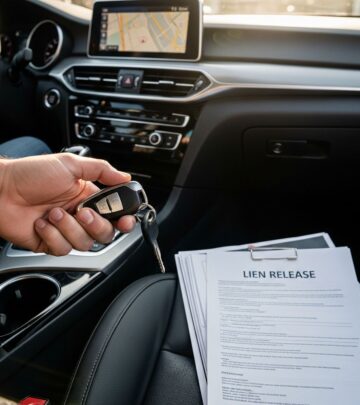
A vehicle lien represents a lender’s legal interest in your car until the loan is fully repaid. This security measure prevents title transfer without satisfaction of the debt. Despite this, owners can still sell or trade vehicles with liens by following structured processes involving payoff coordination and documentation.
Understanding Vehicle Liens and Ownership
When financing a car purchase, the lender records a lien on the title, retaining control until repayment. This ensures recovery of funds if default occurs. Payoff releases the lien, allowing clean title issuance. State agencies, like DMVs, update records post-release. Key elements include the payoff amount, which encompasses principal, interest, and fees, fluctuating daily.
Transparency with buyers is crucial; disclose the lien upfront to avoid disputes. Research market value via tools like Kelley Blue Book to ensure sale proceeds cover the debt.
Initial Steps: Reach Out to Your Lender
Begin every sale by contacting the lienholder for a precise payoff quote. Request this in writing, valid typically 10-30 days, including all charges. Discuss permitted sale methods—some lenders favor dealership transactions for streamlined handling.
- Obtain payoff details: principal balance, interest accrual, fees.
- Inquire about lien release procedures and timelines.
- Confirm if buyer-direct payments are allowed.
- Ask for guidance on title handling during transfer.
This communication builds trust and clarifies expectations, preventing delays.
Option 1: Dealership Trade-In or Sale
Dealerships streamline lien sales by integrating payoff into the deal. They issue checks to lenders, manage paperwork, and provide new vehicle financing if trading. This suits owners seeking convenience over maximum profit.
| Pros | Cons |
|---|---|
| Quick process; dealer handles lien payoff and title | Lower payout than private sales |
| Ideal for upside-down loans with trade value coverage | May require cash for negative equity |
| Seamless if buying another vehicle | Limited negotiation power |
For upside-down loans—where debt exceeds value—dealers roll negative equity into new financing, though higher rates apply. Verify dealer capabilities beforehand.
Option 2: Private Party Transactions
Private sales often yield higher returns but demand coordination. Buyers must accept lien involvement, making transparency vital. Two primary paths exist: seller payoff or buyer-direct settlement.
Pay Off the Loan Yourself First
Use savings or sale proceeds to clear the balance. Post-payoff, lenders mail lien release and title (processing 2-6 weeks, varying by state). Sell with clean title thereafter.
- Secure funds via personal resources or partial buyer payment.
- Submit payoff via wire, certified check.
- Monitor release; follow up if delayed.
This method offers buyers simplicity, boosting appeal.
Buyer Pays Lender Directly
Coordinate for buyer to remit payoff amount to lender at closing. Accompany buyer to lender’s office for simultaneous title handover. Alternatively, use escrow services: third-party holds buyer’s funds, releases post-payoff verification (fees 1-2% of amount).
Listings should note the lien, price reflecting payoff plus profit. Platforms like Craigslist or Facebook Marketplace work, but vet buyers thoroughly.
Handling Upside-Down Loans
Negative equity complicates sales. If value < payoff, cover difference from pocket or negotiate buyer contribution. Dealerships absorb via trade value; private sales require explicit agreements. Avoid by timing sales before depreciation outpaces payoff reduction.
State-Specific Rules and Documentation
Titles vary: some states issue electronic liens; others paper. Virginia DMV requires lienholder-signed release on title before owner receipt. Complete buyer/seller sections on applications; odometer disclosures mandatory federally.
- Gather: bill of sale, smog/emissions certificates (if required).
- Notify DMV/equivalent within 30 days typically.
- Payoff triggers automatic release in electronic systems.
Consult state DMV sites for forms.
Potential Pitfalls and Protections
Common issues: inaccurate payoff quotes, delayed releases, buyer walkouts. Mitigate with written agreements, escrow, notary on bill of sale. Never transfer possession pre-payoff—risks lender repossession. Taxes: sales tax on net proceeds post-payoff in many states.
Fraud risks rise in private deals; use secure payment methods, verify buyer funds.
Maximizing Your Sale Price
Prepare vehicle: clean, minor repairs, detailed service records. Professional photos, honest descriptions enhance listings. Negotiate from appraised value minus payoff.
Frequently Asked Questions
Is it legal to sell a car with an active lien?
Yes, provided lien is satisfied during transaction. Disclose fully; improper handling constitutes fraud.
How long for lien release after payoff?
Typically 1-6 weeks; electronic faster. Lenders must comply promptly.
Can I sell without title in hand?
Yes, via lender-facilitated processes. Buyer receives post-release.
What if buyer backs out post-payoff?
Retain title; relist. Escrow minimizes this.
Do I pay taxes on lien sale?
Usually on equity received; check state rules.
Final Considerations for Success
Prioritize lender dialogue, value research, documentation. Dealerships offer ease; private maximize gains. Patience yields best outcomes. Consult professionals for complex cases.
References
- How To Sell a Car With a Lien — Intuit Credit Karma. 2023. https://www.creditkarma.com/auto/i/sell-car-with-lien
- Guide to Selling a Car With a Lien — SoFi. 2023. https://www.sofi.com/learn/content/selling-car-with-lien/
- Selling A Car With A Lien — Bankrate.com. 2023. https://www.bankrate.com/loans/auto-loans/selling-car-with-lien/
- Liens on a Title — Virginia Department of Motor Vehicles. 2025-02-01. https://www.dmv.virginia.gov/vehicles/title/liens
- Buying/Selling a Vehicle — Virginia DMV. 2025-02-01. https://www.dmv.virginia.gov/vehicles/buy-sell
Similar Articles








Read full bio of medha deb