Understanding Seller Contract Termination Rights
Know when sellers can legally exit purchase agreements and what happens next.

Once a home purchase agreement is signed by both parties, it transforms into a legally binding document that commits both the buyer and seller to completing the transaction. However, the question of whether a seller can withdraw from this commitment is more nuanced than a simple yes or no answer. Sellers do have certain circumstances under which they can exit a contract, but attempting to cancel without legitimate legal grounds can expose them to significant liability and financial consequences.
The Legal Foundation of Binding Purchase Agreements
When a seller accepts an offer and both parties sign the purchase agreement, they create a legally enforceable contract. This document specifies critical details including the sale price, closing date, property condition requirements, and various contingencies. The binding nature of this agreement means that absent specific circumstances, the seller has a legal obligation to proceed with the sale.
The laws governing real estate contracts tend to favor the buyer, recognizing the substantial financial commitment and emotional investment a buyer makes in purchasing a home. This protection framework exists because buyers typically have limited recourse when sellers attempt to withdraw, while sellers maintain more options for exit through contractual provisions.
Legitimate Pathways for Seller Contract Withdrawal
Contractual Contingencies and Seller Protections
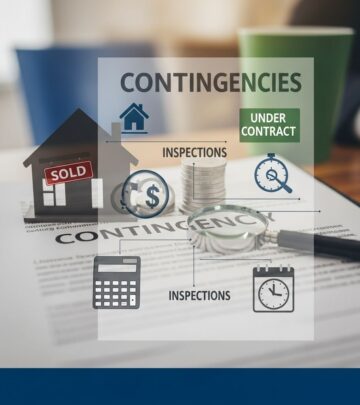
Most real estate purchase agreements include contingencies—specific conditions that must be satisfied for the contract to remain binding. While contingencies traditionally protect buyers (such as inspection contingencies or financing contingencies), sellers can also negotiate contingencies that protect their interests. Common seller contingencies include clauses making the sale contingent upon the seller successfully locating a replacement property or securing suitable financing for their next purchase.
If a seller-favorable contingency exists in the contract and the condition fails to materialize, the seller has legitimate grounds to withdraw without facing legal consequences. The key is that this contingency must be explicitly written into the purchase agreement before signing.
Buyer Breach of Contract Obligations
Sellers retain the right to cancel when buyers fail to perform their contractual obligations. The purchase agreement establishes a schedule of deadlines and performance requirements during the escrow period—the interval between contract signing and closing. Common breaches include:
- Missing scheduled deposit deadlines
- Failing to provide required documentation to the lender
- Inability to secure financing despite good faith efforts
- Neglecting to meet inspection period deadlines
- Violating inspection contingency timelines
When a buyer materially breaches the contract, sellers can typically exit the agreement without penalty and may retain the earnest money deposit as compensation for the time and resources invested in the transaction.
Title and Property Ownership Issues
Sellers cannot transfer what they don’t legally own. If a title search reveals encumbrances—such as outstanding liens, property disputes, claims from creditors, or unresolved ownership questions—the seller may lack the ability to deliver clear title to the buyer. In such circumstances, the seller has legitimate grounds to cancel the contract, as they cannot fulfill their primary obligation of transferring clean ownership.
These title issues are sometimes discovered only during the escrow period, making the cancellation unavoidable rather than a choice by the seller.
The Attorney Review Clause Exception
Some real estate contracts, particularly those used in certain states or by sophisticated parties, include an attorney review clause. This provision typically allows both parties a specified period (often three to five business days) after contract execution for their respective attorneys to review and potentially reject the agreement. During this window, either party can withdraw without penalty, giving sellers an additional pathway for exit if the contract includes such a clause.
Consequences of Unauthorized Contract Cancellation
Breach of Contract Liability
When sellers attempt to cancel without legitimate legal grounds, they expose themselves to breach of contract claims. The buyer can pursue legal action seeking either specific performance (forcing the seller to complete the sale) or monetary damages for losses incurred. These damages can include:
- Difference between the contracted price and current market value if prices have risen
- Inspection and appraisal fees already paid
- Cost of obtaining a new mortgage commitment
- Moving and relocation expenses
- Additional interest costs from delayed closing
- Legal and court fees
Forfeiture of Earnest Money and Deposits
When a seller breaches the contract, they typically forfeit the earnest money deposit they may have received, though this structure varies by jurisdiction. Additionally, if the seller’s actions caused the buyer to lose their deposit, the seller may be liable for replacing those funds.
Legal Action and Court Proceedings
Buyers who believe sellers are wrongfully attempting to withdraw may file lawsuits seeking specific performance, which is a court order requiring the seller to complete the transaction as agreed. This remedy is particularly powerful in real estate transactions because courts recognize that each property is unique and irreplaceable. While pursuing such claims requires legal representation and court time, buyers increasingly succeed in forcing reluctant sellers to close, particularly when no legitimate grounds for cancellation exist.
Mutual Agreement Cancellation
One of the few circumstances where both parties can avoid liability and penalties is through mutual agreement to terminate. If the seller wishes to withdraw and the buyer agrees to release them from the contract—perhaps because the buyer also encountered circumstances making the purchase undesirable—both parties can cancel without legal consequences. This requires an executed written agreement releasing both parties from their obligations.
Comparing Seller Exit Scenarios and Consequences
| Cancellation Scenario | Legal Status | Seller Consequences | Buyer Rights |
|---|---|---|---|
| Cancellation based on contract contingency | Permitted | No penalties; transaction terminates | Earnest money returned |
| Buyer material breach of contract | Permitted | May retain earnest money deposit | Limited recourse; breach must be proven |
| Unresolved title or ownership issues | Permitted | No penalties; cannot complete sale | Earnest money returned; may pursue damages |
| Attorney review period withdrawal | Permitted | No penalties during review period | No penalties during review period |
| Unauthorized cancellation without cause | Breach | Sued for damages; possible specific performance | Can force sale or recover losses |
| Cancellation due to higher offer received | Breach | Liable for damages and lost earnest money | Legal action to enforce contract |
| Mutual agreement to cancel | Permitted | No penalties; both parties released | Released from obligations; earnest money returned |
State Variations and Jurisdictional Differences
Real estate contract law varies significantly by state and even by local jurisdiction. Some states have specific statutes governing home sale cancellation rights, while others rely primarily on contract terms and common law principles. Michigan, for example, has multiple consumer protection laws including the Home Solicitation Sales Act (HSSA), which provides different cancellation rights depending on how the contract was initiated.
Sellers should consult with a real estate attorney in their specific jurisdiction to understand the exact rights and obligations that apply to their transaction. What constitutes a valid reason to cancel in one state might not be recognized in another.
Protecting Yourself: What Sellers Should Know
Review the Contract Carefully Before Signing
Before executing a purchase agreement, sellers must thoroughly review all contingencies, deadlines, and conditions. Understanding exactly what obligations you’re accepting helps you make informed decisions and identifies any seller-protective clauses that might provide exit opportunities.
Include Protective Contingencies
If you’re unsure about your ability to complete the transaction by the closing date, negotiate contingencies into the contract. These might include contingencies based on successfully purchasing a replacement property or resolving specific title issues. Contingencies are standard in real estate transactions and are not unusual requests during negotiation.
Document Buyer Non-Performance
If a buyer misses deadlines or fails to meet contractual obligations, document these failures carefully. Keep copies of all communications, notifications, and proof of non-compliance. If you eventually need to cancel based on buyer breach, thorough documentation strengthens your legal position significantly.
Engage Legal Representation
Real estate transactions involve complex legal and financial considerations. Having an attorney review your purchase agreement before signing can identify potential issues and help you understand your rights and obligations. This investment often prevents much more costly disputes later.
Frequently Asked Questions
Can a seller back out of a contract simply because they received a higher offer?
No. Receiving a higher offer is not a legitimate reason to cancel a signed contract. Attempting to withdraw based solely on a better offer constitutes breach of contract, and the original buyer can pursue legal action to enforce the contract or recover damages. Some sellers attempt this strategy anyway, accepting the financial and legal consequences, but it is not legally justified.
What happens to the earnest money deposit if a seller wrongfully cancels?
When a seller breaches without legitimate grounds, the earnest money deposit is typically returned to the buyer. The seller may also face liability for additional damages beyond the deposit amount. The earnest money is meant to demonstrate good faith and compensate the buyer for holding the property off the market.
Can a seller cancel after an inspection reveals major problems?
Generally, no. Discovery of inspection issues does not provide grounds for seller cancellation unless the seller specifically negotiated an inspection contingency protecting their interests. Inspection contingencies typically protect buyers by allowing them to withdraw if major defects are discovered. Sellers usually cannot use inspection results as a reason to exit, though they may need to disclose known issues or face separate disclosure violation claims.
How long does the attorney review period last?
The attorney review period varies by contract and jurisdiction but typically lasts three to five business days from the date of contract execution. This period allows each party’s attorney to review the agreement and advise their client. Either party can withdraw during this window without penalty if the contract includes an attorney review clause.
What’s the difference between a contingency and a condition?
In real estate contracts, contingencies and conditions often refer to similar concepts—specific circumstances that must occur or be resolved for the contract to remain binding. If the contingency is not satisfied, the party benefiting from it can typically withdraw without penalty. Contingencies provide legitimate exit routes for both buyers and sellers.
Conclusion: The Importance of Understanding Your Rights and Obligations
Sellers should recognize that once they sign a purchase agreement, they have entered into a legally binding commitment. While circumstances do exist that provide legitimate grounds for cancellation—including contractual contingencies, buyer breach, title issues, and attorney review periods—these reasons must be real and documentable. Attempting to withdraw based on buyer’s remorse, receipt of a higher offer, or simple change of mind can result in expensive legal battles, damages awards, and forced completion of the sale.
The most prudent approach is to carefully negotiate the purchase agreement to include any protective provisions that address your concerns, engage competent legal representation to ensure your interests are protected, and honor your contractual obligations once signed. Should circumstances arise that you believe justify cancellation, consult immediately with a real estate attorney to assess your actual rights and the strength of your position before taking any action that might be characterized as breach.
References
- Cooling Off Periods and Consumer Rights to Legally Cancel Contracts — Justia. Accessed March 2026. https://www.justia.com/consumer/consumer-protection-law/canceling-contracts-cooling-off-rules/
- Buyer’s Remorse: The FTC’s Cooling-Off Rule May Help — U.S. Federal Trade Commission Consumer Advice. Accessed March 2026. https://consumer.ftc.gov/articles/buyers-remorse-ftcs-cooling-rule-may-help
- Can a Seller Back Out of a Contract? — Zillow. Accessed March 2026. https://www.zillow.com/learn/can-seller-back-out-of-purchase-agreement/
- When Can The Seller Back Out Of A Contract? — Quicken Loans. Accessed March 2026. https://www.quickenloans.com/learn/can-a-seller-back-out-of-a-contract
- Contract Cancellation Information for Consumers — State of Michigan Consumer Protection Division. Accessed March 2026. https://www.michigan.gov/consumerprotection/protect-yourself/consumer-alerts/shopping/contract-cancellation-information-for-consumers
- Can a Seller Back Out of a Real Estate Contract? — LendingTree. Accessed March 2026. https://www.lendingtree.com/home/mortgage/seller-breaking-a-real-estate-contract/
Similar Articles








Read full bio of medha deb