How to Sell Your Home When Your Neighbors Are Too
Practical strategies for selling your house despite challenging neighbor situations and behaviors.
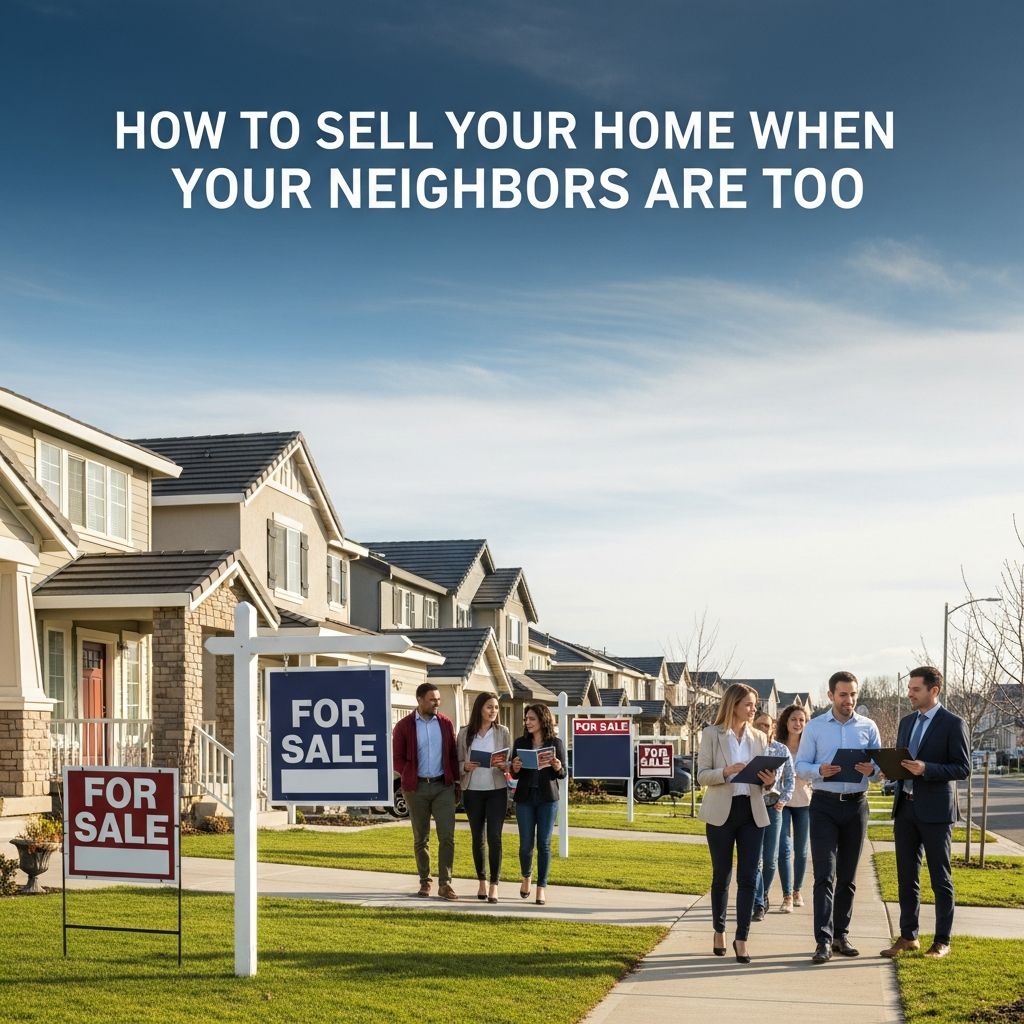
Selling a home can be one of the most stressful experiences of your life. You’ve spent time preparing your property, staging it beautifully, and pricing it competitively. But sometimes, despite all your efforts, one major factor can dramatically impact your sale: your neighbors. Whether they have a messy yard, play loud music, have uncontrolled pets, or simply exhibit unpleasant behavior, challenging neighbors can significantly deter potential buyers and extend your time on the market. The good news is that there are practical, effective solutions to navigate this surprisingly common problem.
Understanding the Impact of Neighbors on Home Sales
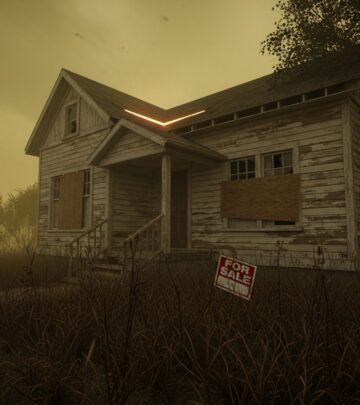
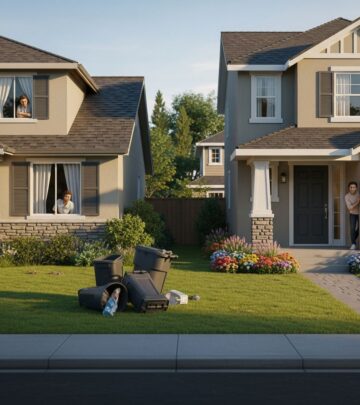
Before diving into solutions, it’s important to understand just how much neighbors can affect your home’s marketability. Potential buyers form impressions not just about your property but about the entire neighborhood within minutes of arrival. A neighbor’s messy yard, junk-filled exterior, loud behavior, or negative interactions with potential buyers can create lasting negative impressions that overshadow your home’s best features. In some cases, properties have repeatedly gone on and off the market due to consistent feedback about problematic neighbors, ultimately resulting in below-market sales or extended listing periods.
The impact extends beyond aesthetics. If neighbors actively interact negatively with potential buyers, spreading rumors or exhibiting hostile behavior, they can literally frighten prospects away from making offers on your property. This psychological barrier can be as damaging as any structural defect, making strategic intervention essential.
Step 1: Start with a Friendly Conversation
Your first and best approach is often the simplest: have a kind, straightforward discussion with your neighbors. Many neighbors may be entirely unaware that their property conditions or behaviors are affecting your home sale. Approach the conversation with positivity and tact, framing the situation as mutually beneficial.
When initiating this conversation, consider saying something like: “I just wanted to share some exciting news—we’re listing our home soon! Since there will be more potential buyers visiting, it’s a great opportunity to show off how wonderful our neighborhood is.” This approach positions the request as collaborative rather than accusatory.
Key principles for successful neighbor conversations include:
- Bring solutions to the table—Don’t just voice complaints; offer middle-ground solutions you can both work toward
- Listen actively—Give neighbors time to share their perspective and hear their story
- Offer to help—If their yard is messy, consider offering to assist with cleanup efforts
- Remain level-headed—Approaching neighbors with fair and reasonable solutions often yields positive outcomes that can increase your home’s value
Step 2: Schedule Showings Strategically
If your neighbor issues revolve around noise—such as loud music, barking dogs, or general commotion—work around these patterns rather than against them. Coordinate your showings during naturally quiet times in the neighborhood, such as when neighbors are typically at work or when their pets are usually indoors.
Additionally, enhance the showing experience by playing soft background music during open houses or private showings. This creates a warm, inviting atmosphere while simultaneously masking occasional external noise that might distract potential buyers from your home’s positive attributes.
Step 3: Create Physical Privacy Barriers
When neighbor issues are visual—such as an unsightly yard, junk cars, or cluttered exteriors—consider creating privacy barriers on your property. Strategically placed fencing, landscaping, privacy screens, or strategically planted trees can effectively shield potential buyers from viewing the neighboring property. In some cases, offering to fund fence replacement as a buyer incentive can transform this challenge into a decisive selling point.
These visual improvements not only block the negative view but also demonstrate to potential buyers that you’ve thoughtfully addressed the situation and created a private, serene outdoor space for them to enjoy.
Step 4: Be Honest but Tactful with Potential Buyers
Transparency is essential when selling real estate. If potential buyers directly ask about neighbor issues, honesty protects you legally and builds trust. However, you can still manage their concerns gracefully by acknowledging the issue while immediately redirecting attention to your home’s positive attributes.
For example, you might respond: “Yes, the neighbor’s yard can sometimes get a bit cluttered, but they’re very friendly, and we’ve worked hard to make sure our backyard offers privacy and charm.” This approach demonstrates that you’re upfront and honest while simultaneously focusing on your property’s standout features, location, upgrades, and lifestyle benefits.
In many jurisdictions, sellers are legally required to disclose known material defects and neighborhood issues. Failing to disclose can expose you to legal liability after the sale closes. Being transparent from the start protects both you and potential buyers.
Step 5: Work with an Experienced Real Estate Professional
When navigating challenging neighbor situations, having a skilled real estate agent in your corner makes a significant difference. Experienced realtors know how to present your home in its best light and can tactfully address potential buyer concerns without overemphasizing problems. They understand neighborhood dynamics and can provide professional advice on strategic approaches to managing neighbor-related obstacles.
Your realtor can also suggest creative solutions specific to your situation and help coordinate showings, negotiations, and communications with potential buyers. Their expertise often transforms what feels like a major roadblock into a manageable hurdle.
Step 6: Consider Offering Buyer Incentives
If your neighbor situation is significant enough to deter buyers, consider offering incentives beyond simply lowering your asking price. These might include:
- Covering closing costs for the buyer
- Offering seller concessions (repairs or upgrades)
- Providing a home warranty to protect the buyer
- Funding fence replacement or other privacy improvements
- Offering to handle specific repairs or maintenance issues
This approach allows you to “own” the neighbor situation while still moving your sale forward without necessarily dropping your price dramatically. Buyers often appreciate creative solutions more than simple price reductions, as they feel the seller has made a genuine effort to address concerns.
Step 7: Adjust Your Asking Price if Necessary
If you’ve exhausted diplomatic options and your neighbors seem to be winning the race, lowering your asking price is the most direct solution. While no seller enjoys reducing their price, it’s often the fastest way to close a sale when neighbor issues have created significant obstacles.
Setting your price lower initially can attract investors and cash buyers—people who typically care less about neighbor issues and more about property fundamentals and investment potential. Before listing, sit down with your agent to discuss your overall pricing and marketing strategy. Establishing a realistic price from the beginning often leads to more offers and faster closing.
Step 8: Explore Alternative Sales Methods
If traditional real estate sales seem too complicated with your neighbor situation, consider alternative approaches:
Selling to Real Estate Investors
Selling directly to a professional home buyer or real estate investor can be the quickest and easiest option when dealing with difficult neighbors. Investors typically buy homes “as is” for cash, meaning you don’t need to disclose neighbor issues or even inform neighbors that you’re selling. This private approach prevents neighbors from amplifying negative behaviors or interfering with the sale process. Cash transactions typically close much faster than traditional sales, allowing you to move forward without prolonged neighbor interactions.
Leveraging Community Resources
If direct neighbor conversations fail, consider enlisting help from community organizations or neighborhood associations. Other residents may be willing to band together to approach problematic neighbors collectively, which can be more effective than individual attempts. Community mediation services can also facilitate conversations and help establish neighborhood agreements that benefit everyone.
Legal Considerations When Neighbors Interfere
In rare cases where neighbors actively work to sabotage your sale—such as spreading false rumors or frightening potential buyers with hostile behavior—you may have legal recourse. If neighbors continue to interfere with buyer interactions or spread damaging false information, consulting a lawyer is advisable. You may potentially have grounds to sue for slander or interference with business relations, though such cases can be legally complex and time-consuming.
Before pursuing legal action, attempt all reasonable diplomatic solutions first. Most neighborly disputes don’t have straightforward legal remedies, making resolution through conversation and mutual understanding preferable to litigation.
Disclosure Requirements and Legal Obligations
In most jurisdictions, sellers must disclose known issues that materially affect property value, including significant neighbor problems. Failing to disclose can result in legal action after the sale closes, exposing you to liability. However, you’re not required to disclose minor inconveniences or subjective opinions about neighbors.
Work with your real estate agent to understand your specific disclosure obligations. Being transparent protects you legally while establishing trust with potential buyers who appreciate your honesty.
Creating a Positive Neighborhood Narrative
Despite neighbor challenges, emphasize the positive aspects of your neighborhood. Highlight community amenities, proximity to schools or employment, parks, public transportation access, and other desirable features. Help buyers see the neighborhood holistically rather than fixating on one problematic element.
During showings, point out community strengths and the time you’ve invested in creating your personal sanctuary within the neighborhood. This reframing helps buyers recognize that your home and immediate surroundings offer value and appeal despite neighbor challenges.
Frequently Asked Questions
Q: Are you legally required to disclose difficult neighbors when selling your home?
A: In most jurisdictions, you must disclose material facts that affect property value, which may include significant neighbor issues. However, specific requirements vary by location. Consult your real estate agent or attorney about your local disclosure obligations to avoid legal complications after the sale.
Q: What’s the best approach if a neighbor refuses to cooperate?
A: If friendly conversation fails, consider alternative strategies: schedule showings strategically around noise patterns, create privacy barriers, offer buyer incentives, adjust your asking price, or sell to a cash investor who won’t require neighbor cooperation.
Q: How much can bad neighbors decrease a home’s value?
A: The impact varies significantly depending on the severity and nature of the issue. Minor inconveniences might affect value by 5-10%, while serious problems like hoarding, criminal activity, or consistent hostile behavior can reduce value by 15-30% or more. Properties may also experience extended time on the market, incurring additional carrying costs.
Q: Should I try to sell my home to my neighbors if they’re the problem?
A: Selling directly to problematic neighbors is generally not recommended unless they’re genuinely interested at fair market value. In most cases, attempting to sell to the source of the problem creates additional complications and potential negotiations where they expect discounts.
Q: What if neighbors spread false information about my home?
A: Document all false statements and their impact on your sale. Consult with a real estate attorney about potential legal remedies, including slander claims. In the meantime, work with your agent to provide accurate information to potential buyers and counteract misinformation.
Q: Can I ask neighbors not to interact with potential buyers during showings?
A: Yes, you can politely request that neighbors minimize interactions during showings. Frame it as a professional courtesy that helps the selling process move smoothly. While you can’t legally prevent them from being on their own property, most reasonable neighbors will cooperate with this request.
Q: Should I hire a professional mediator for neighbor disputes?
A: If direct conversations are unproductive, professional mediation services can facilitate discussion and help establish mutually acceptable solutions. Community organizations often provide low-cost mediation services that resolve conflicts more effectively than individual attempts.
Turning Challenges into Opportunities
Selling your home when neighbors pose challenges doesn’t need to derail your plans. A combination of diplomacy, creativity, and strategic selling can alleviate most concerns. Whether through polite conversations, privacy enhancements, strategic showings, buyer incentives, or alternative sales methods, the situation is manageable with the right approach.
The key is addressing neighbor issues proactively rather than hoping buyers won’t notice. By taking decisive action, demonstrating transparency, and focusing on your home’s genuine value, you can successfully navigate neighbor challenges and achieve a satisfactory sale despite external obstacles.
References
- Selling A House With Bad Neighbors (The Ultimate 2025 Guide) — Cash House Closers. 2025. https://www.cashhouseclosers.com/selling-a-house-with-bad-neighbors/
- Selling Your Home When Neighbours Are a Problem — Raelyn Burman Real Estate. https://www.raelynburman.ca/selling-your-home-but-worried-about-your-neighbours-heres-how-to-handle-it
- Nasty Neighbors Who Can Block Your Home Sale—and How to Deal — Realtor.com. https://www.realtor.com/advice/sell/neighbors-who-can-block-your-home-sale-and-how-to-deal/
- How one bad neighbor can sabotage a sale — Real Estate News. 2023-02-19. https://www.realestatenews.com/2023/02/19/how-one-bad-neighbor-can-sabotage-a-sale
Similar Articles








Read full bio of Sneha Tete