Self-Care Sunday Ideas That Truly Recharge You
Learn how to build a realistic, budget-friendly Self-Care Sunday routine that supports your mental, physical, and financial wellbeing.
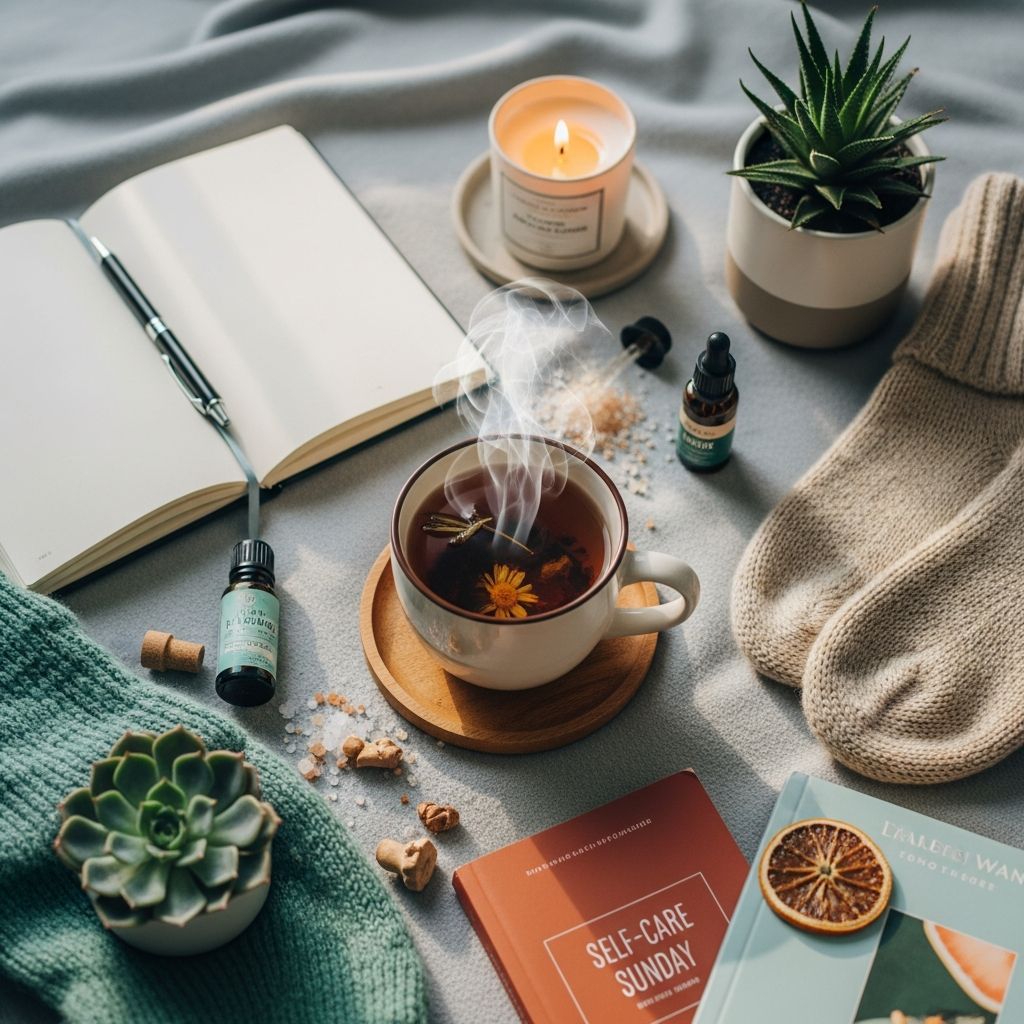
Self-care Sunday is more than a social media trend. It is a practical way to reset your mind, body, and schedule before a new week, using simple habits that help you feel calmer, more focused, and more in control of your life and money.
Research shows that regular self-care supports better mental health, reduces burnout, and can improve how well you manage your responsibilities. The goal is not perfection or an all-day spa experience. Instead, it is about intentionally choosing a few activities that nourish you and fit your budget, time, and season of life.
What Is Self-Care Sunday (And Why It Matters)
Self-care Sunday is a planned block of time on Sunday when you focus on activities that restore your energy instead of only catching up on chores or work emails.
Instead of sliding into Monday feeling depleted, you use Sunday to:
- Release stress from the previous week
- Care for your body with rest and gentle movement
- Check in with your emotions and mindset
- Set up your finances and schedule for a smoother week
Regular restorative time is linked with lower stress, better emotional regulation, and improved sleep, all of which influence long-term health and productivity.
How To Build Your Own Self-Care Sunday Routine
There is no one “right” way to do Self-care Sunday. The best routine is the one you will realistically follow. Use these steps as a framework and fill them with ideas from the rest of this article.
- Step 1: Decide your time window. It might be a full morning, two evening hours, or short pockets throughout the day.
- Step 2: Pick 1–2 activities for each area:
- Mind and emotions
- Body and physical wellness
- Home and environment
- Money and planning
- Step 3: Protect that time. Treat it like an appointment with yourself.
- Step 4: Keep it flexible. Swap activities depending on your energy, budget, and schedule.
Mind & Emotional Self-Care Sunday Ideas
Your mental and emotional state shapes how you experience the entire week. Taking even 20–30 minutes on Sunday to slow down your thoughts and check in with your feelings can help prevent stress from building up.
Journal To Clear Your Mind
Journaling is a simple, low-cost tool for processing emotions and reducing stress. Studies find that expressive writing can improve psychological well-being and even support better physical health over time.
- Write a brain dump of everything on your mind
- Reflect on last week: what went well, what felt heavy
- List three things you are grateful for today
- Set one gentle intention for the coming week
Digital Detox For A Few Hours
Constant notifications can keep your brain in a heightened state of alertness and stress. A simple digital detox on Sunday helps you feel more present.
- Silence non-essential app notifications
- Put your phone in another room during your self-care block
- Avoid email and work apps for a set window of time
Practice Meditation Or Deep Breathing
Basic mindfulness practices can calm your nervous system and support focus, sleep, and emotional balance.
- Try a 5–10 minute deep breathing exercise
- Use a free mindfulness or meditation app
- Simply sit quietly and observe your thoughts without judgment
Create A Feel-Good Media Ritual
Be intentional about what you consume. Instead of endless scrolling, choose content that relaxes or inspires you.
- Read a novel or an inspiring non-fiction book
- Listen to a calming playlist or uplifting podcast
- Watch one episode of a favorite show and allow yourself to fully enjoy it
Body & Physical Self-Care Sunday Ideas
Physical self-care is not just about pampering; it is also about supporting your sleep, energy, and long-term health. Gentle movement, rest, and small “treat yourself” moments can all fit within a realistic budget.
Slow Morning Or Sleep-In
Lack of sleep is linked with higher stress, lower productivity, and health risks. If your schedule allows, use Sunday to catch up on rest and honor a slower pace.
- Turn off your alarm or set it slightly later
- Enjoy coffee or tea without rushing
- Stay in comfortable clothes while you ease into the day
Gentle Movement: Walks, Stretching, or Yoga
Exercise does not have to be intense to be beneficial. Even low-intensity movement is associated with better mood and reduced anxiety.
- Take a walk in your neighborhood or a nearby park
- Try a free beginner yoga or stretching video online
- Put on your favorite music and dance around your living room
At-Home Spa Moments On A Budget
Simple, inexpensive spa-style rituals can make Sunday feel special without overspending.
- Take a warm bubble bath or long shower with candles
- Give yourself a manicure or pedicure
- Use a face mask or DIY scrub with basic kitchen ingredients
- Moisturize slowly and intentionally, treating it as a relaxation ritual
Cook Or Enjoy A Comforting Meal
Food can be a meaningful form of self-care when it is approached mindfully.
- Make a simple but delicious brunch at home
- Batch-cook one nourishing meal for the week ahead
- Enjoy your food at the table, without screens, noticing the flavors and textures
Home & Environment Self-Care Sunday Ideas
Your environment strongly influences your stress levels and ability to focus. Tidying your space is not just a chore; it can be part of how you care for your future self by making Monday easier.
Quick Tidy And Reset
A full deep clean is not required. Even 20–30 minutes can make a big difference.
- Clear visible clutter from one or two key areas (like the kitchen counter or desk)
- Do a quick laundry reset (wash, dry, and fold one load)
- Lay out your clothes and bag for Monday
Create A Cozy Corner
Designate one small space that feels calming where you can journal, read, or drink tea.
- Add a blanket, pillow, or lamp you already own
- Place your book or journal nearby
- Clear visual clutter from that immediate area
Small Home Projects That Feel Rewarding
Finishing one small task can give you a sense of accomplishment and order.
- Hang artwork or photos you have been meaning to put up
- Reorganize one drawer or shelf
- Swap decor items from other rooms to refresh your space for free
Money & Planning Self-Care Sunday Ideas
Financial stress can affect mental and physical health. Using part of your Self-care Sunday to gently check in with your money can reduce anxiety and help you feel more prepared for the week.
| Activity | Time Needed | Benefit |
|---|---|---|
| Weekly money check-in | 15–20 minutes | Know where your money is going |
| Meal and schedule planning | 20–30 minutes | Save time and reduce weekday stress |
| Prepare work bag and outfits | 10–15 minutes | Smoother, calmer mornings |
Do A Gentle Money Check-In
You do not have to do a full budget review every Sunday. A short, consistent check-in can be enough.
- Glance at your bank and credit card balances
- Confirm upcoming bills for the week
- Track any cash spending or update your budget app
Plan Simple Meals For The Week
Planning meals is linked with better diet quality and can reduce impulsive spending on takeout.
- List 3–5 simple dinners you can realistically cook
- Check what you already have in your pantry and fridge
- Write a short grocery list focused on essentials
Review Your Weekly Schedule
Planning your week is a form of self-care because it reduces decision fatigue and last-minute stress.
- Look at your calendar for the next 7 days
- Note your must-do tasks and appointments
- Block small pockets of time for rest or movement
Social & Joy-Focused Self-Care Sunday Ideas
Self-care is also about connection and joy, not just productivity or solo routines. Healthy relationships and meaningful activities are protective for mental health.
Intentional Time With Loved Ones
Spending quality time with people you trust and enjoy can boost mood and build resilience.
- Invite a friend or family member for a walk or coffee
- Have a low-cost brunch or potluck at home
- Call or video chat with someone you miss
Acts Of Kindness As Self-Care
Helping others can also support your own sense of meaning and well-being.
- Send a handwritten note or encouraging message
- Donate items you no longer use but are in good condition
- Look up a local volunteer opportunity you can try in the coming weeks
Make Space For Simple Fun
Joy is not a luxury; it is part of a balanced life.
- Work on a creative hobby like drawing, music, or crafts
- Explore a new park, museum free day, or library event
- Play a board game or card game with family or friends
Putting It All Together: Sample Self-Care Sunday Schedules
Use these sample schedules as inspiration. Adjust the timing and activities based on your responsibilities and energy.
60-Minute Self-Care Sunday
- 10 minutes: Deep breathing or short meditation
- 15 minutes: Quick tidy of one room or surface
- 20 minutes: Journal or read a book
- 15 minutes: Money or schedule check-in for the week
Half-Day Self-Care Sunday
- Slow breakfast without screens
- Gentle walk or light workout
- At-home spa: long shower or bath, skincare, moisturizing
- Short budget and calendar review
- Prepare lunch or dinner for Monday
Low-Energy Self-Care Sunday
On days when you are exhausted, self-care should feel even softer and more forgiving.
- Stay in comfortable clothes
- Order or heat up something simple to eat
- Pick one tiny task (like clearing your nightstand)
- Spend time on something comforting: reading, music, or a favorite show
Frequently Asked Questions (FAQs)
Q: Do I have to do Self-care Sunday every week?
A: No. Weekly is helpful for building a rhythm, but even doing a focused self-care block a few times a month can support your wellbeing. Consistency matters more than perfection.
Q: Can Self-care Sunday be on another day?
A: Yes. The idea is a regular reset, not the specific day. If your schedule is packed on Sundays, choose any other day or split activities across smaller time blocks.
Q: How much time should I spend on self-care?
A: Even 20–30 intentional minutes can make a difference. If you have more time, you can add extra activities, but it is better to start small and stay consistent than to aim for an unrealistic all-day routine.
Q: Is watching TV or scrolling social media considered self-care?
A: It can be, if it truly leaves you feeling rested or inspired rather than drained. Notice how you feel afterward. If it adds stress or comparison, try limiting it and choosing other activities.
Q: How do I practice self-care on a very tight budget?
A: Focus on free or low-cost ideas: walking, stretching, journaling, borrowing books from the library, free online classes, at-home spa rituals, and connecting with friends. Many effective self-care habits cost time and attention rather than money.
References
- Self-care interventions for health — World Health Organization. 2021-06-24. https://www.who.int/news-room/fact-sheets/detail/self-care-health-interventions
- Physical Activity Guidelines for Americans, 2nd edition — U.S. Department of Health and Human Services. 2018-11-01. https://health.gov/sites/default/files/2019-09/Physical_Activity_Guidelines_2nd_edition.pdf
- Positive psychological interventions: An overview — Bolier et al., International Journal of Behavioral Medicine. 2013-06-01. https://doi.org/10.1007/s12529-013-9295-0
- Stress in America: The State of Our Nation — American Psychological Association. 2017-11-01. https://www.apa.org/news/press/releases/stress/2017/state-nation.pdf
- Financial stress and its physical effects on individuals and communities — Federal Reserve Bank of San Francisco. 2015-01-01. https://www.frbsf.org/community-development/publications/working-papers/2015/january/financial-stress-physical-effects-individuals-communities/
Similar Articles








Read full bio of medha deb