Selecting Your Ideal Investment Approach
Discover personalized strategies to build wealth based on goals, risk levels, and timelines for long-term financial success.

Choosing an investment strategy involves aligning your financial objectives with your willingness to accept risk and the time available for growth. This decision shapes portfolio performance over years or decades, balancing potential returns against market uncertainties.
Assessing Personal Financial Foundations
Before diving into specific tactics, evaluate core elements like age, income stability, and future needs. Younger individuals often favor aggressive approaches due to longer recovery periods from downturns, while those nearing retirement prioritize capital preservation. Risk tolerance—measured by emotional response to losses—guides asset choices: conservative profiles lean toward fixed-income securities, whereas bold investors chase equities.
- Time Horizon: Short-term goals (under 5 years) demand low-volatility options; long-term aims allow higher-risk assets for compounding.
- Financial Goals: Retirement savings, home purchase, or education funding each require tailored mixes.
- Current Portfolio: Review existing holdings to avoid overexposure in one area.
Tools like risk assessment quizzes from financial institutions help quantify comfort levels, informing decisions on stock-bond splits.
Core Principles of Effective Investing
Successful strategies rest on diversification, cost minimization, and disciplined execution. Spreading investments across asset classes mitigates losses from any single sector slump. Low-fee index funds often outperform high-cost alternatives over time due to reduced drag from expenses.
| Principle | Benefit | Example |
|---|---|---|
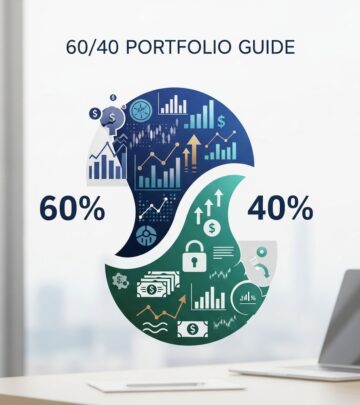
| Diversification | Reduces unsystematic risk | 60% stocks, 40% bonds across industries |
| Low Costs | Maximizes net returns | ETFs with 0.05% expense ratios |
| Regular Contributions | Leverages dollar-cost averaging | Monthly investments regardless of price |
Dollar-cost averaging involves investing fixed amounts periodically, buying more shares when prices dip and fewer at peaks, smoothing average costs.
Low-Risk Pathways for Steady Growth
For cautious investors, passive and income-focused methods provide reliable progress without daily oversight. These suit beginners or those with limited time.
Index Tracking and ETF Portfolios
Passive investing mirrors market indices via ETFs, capturing broad gains at minimal cost. Robo-advisors automate this, using algorithms to allocate across global assets based on user profiles. They adjust for risk automatically, ideal for hands-off participants seeking consistent compounding without principal erosion risks typical in active trading.
Income Generation via Dividends
Dividend strategies target stable companies in utilities, banking, or REITs that distribute regular payouts. Reinvesting these via DRIPs compounds holdings, boosting future income. This appeals to moderate-risk profiles needing cash flow alongside moderate appreciation.
Sectors like telecommunications offer predictable yields, though economic shifts can impact payouts.
Moderate-Risk Balanced Approaches
Balanced portfolios blend equities and bonds for moderate volatility, suiting mid-career professionals aiming for retirement. Target-date funds exemplify this, gliding from stock-heavy early on to conservative nearer goals, handling rebalancing internally.
- Typical allocation: 50-70% stocks for growth, remainder in bonds for stability.
- Benefits: Income from bonds offsets stock dips; suits 10-20 year horizons.
These models project returns using historical data, emphasizing diversified index funds.
High-Risk Strategies for Ambitious Returns
Aggressive investors with long horizons pursue growth or value plays, accepting sharp swings for superior payoffs.
Chasing Rapid Expansion
Growth investing focuses on innovative firms in tech or biotech, prioritizing revenue surges over current valuations. These stocks trade at premiums but promise outsized gains. Success demands market timing savvy—buying lows, selling peaks—via technical analysis and fundamentals. Not for novices due to volatility.
Hunting Undervalued Assets
Value tactics seek bargains: stocks below intrinsic worth due to temporary setbacks. Analysis of financials, management, and moats identifies opportunities. Pioneered by figures like Warren Buffett, it rewards patience as markets correct mispricings.
Contrast: Growth bets on future potential; value on present discounts.
Advanced and Alternative Tactics
Beyond basics, options like dollar-cost averaging or thematic investing add layers. Recurring investments outperform timing attempts for most, per studies showing minimal gaps between perfect timing and steady buying.
Hedge funds employ leverage and shorts for absolute returns, but high fees and complexity limit them to sophisticated investors.
Building and Managing Your Portfolio
Start with platforms matching your style: robo-advisors for automation, brokerages for stocks, or apps for micro-investments. Compare fees, tools, and asset access.
| Platform Type | Best For | Pros | Cons |
|---|---|---|---|
| Robo-Advisors | Beginners, Passive | Automated, Low fees | Limited customization |
| Online Brokers | Active Traders | Stock picking, Tools | Requires research |
| Micro-Investing Apps | Small Sums | Accessible entry | Higher relative fees |
Rebalance annually to maintain targets, selling winners and buying laggards. Monitor via apps tracking performance against benchmarks.
Navigating Common Challenges
Market downturns test discipline; avoid panic selling. Inflation erodes cash, underscoring equity needs. Tax efficiency—using accounts like IRAs—enhances after-tax growth.
FAQs
What factors determine the best strategy for me?
Your risk tolerance, timeline, and goals dictate the fit. Conservative types favor passive indexing; aggressive ones growth stocks.
Does growth investing always yield top long-term returns?
It offers high potential but with volatility; historical data shows it leading for extended horizons despite risks.
How does diversification impact strategy choice?
It tempers risks across methods, ensuring no single failure derails progress—essential regardless of approach.
Are robo-advisors suitable for all investors?
Ideal for hands-off users, but active traders may need more control via direct platforms.
What role does time play in strategy success?
Longer periods allow riskier bets to recover and compound, favoring growth over preservation.
Steps to Launch Your Strategy
- Define goals and assess risk via quizzes.
- Select assets aligning with profile.
- Choose platform and fund accounts.
- Invest regularly, rebalance yearly.
- Review progress, adjust as life changes.
Consistent application trumps perfection, building wealth methodically.
References
- Understanding 5 Types of Investment Strategies — MoneySmart. 2023. https://www.moneysmart.sg/investments/understanding-5-key-types-of-investment-strategies-ms
- Investment portfolios: Asset allocation models — Vanguard. 2025-02-01. https://investor.vanguard.com/investor-resources-education/education/model-portfolio-allocation
- What are the Different Kinds of Investment Strategies? — Community Choice CU. 2024. https://www.communitychoicecu.com/financial-education/what-are-the-different-kinds-of-investment-strategies/
- Best Investment Strategies: 5 Types Compared — Young Platform. 2024. https://youngplatform.com/en/blog/news/best-investment-strategies-types-investing-compared/
- Investment types — Fidelity. 2025. https://www.fidelity.com/learning-center/smart-money/investment-types
Similar Articles







Read full bio of medha deb