Undefined: 10 Essential Questions To Ask A Home Inspector
Discover proven strategies to identify a skilled home inspector who safeguards your investment with expert evaluations and reliable insights.
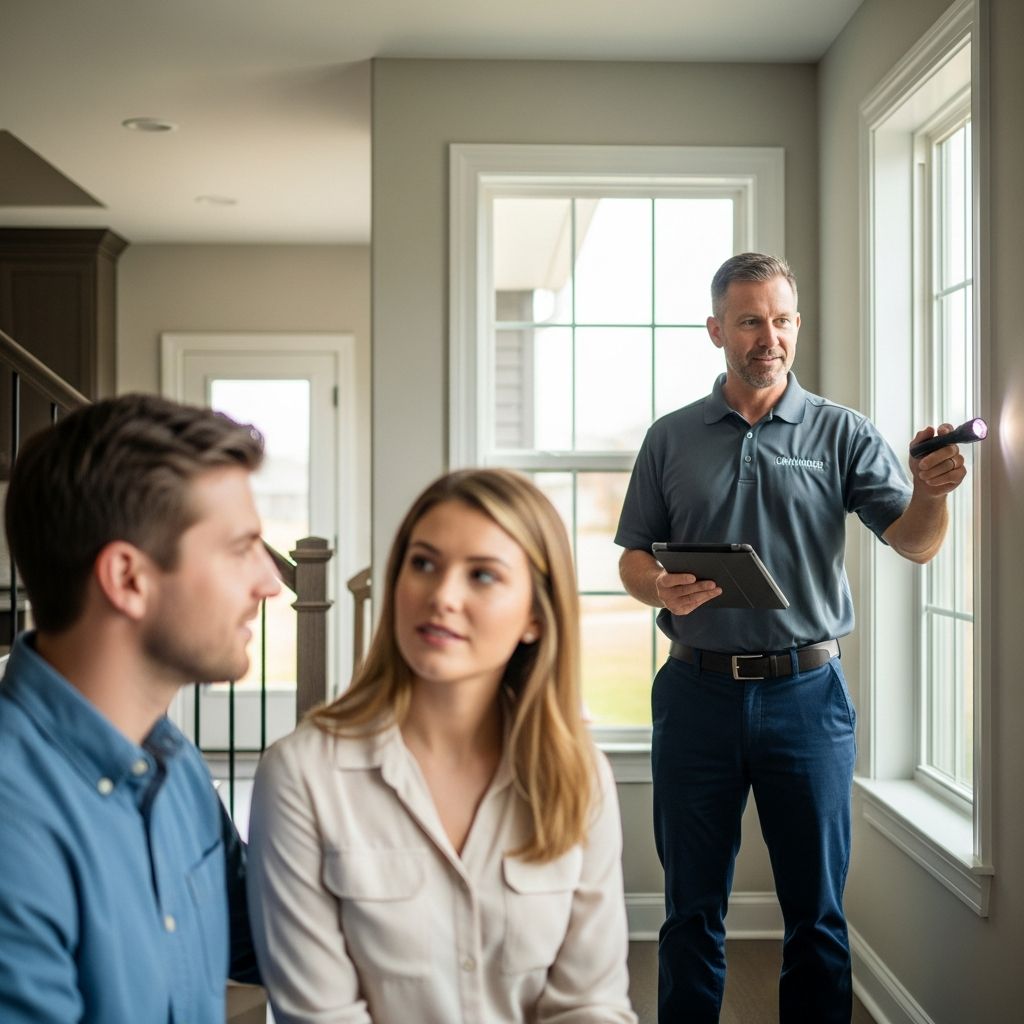
Selecting Your Ideal Home Inspector
Choosing the right home inspector is a pivotal decision in the home-buying journey. A competent professional uncovers hidden defects, assesses structural integrity, and equips you with knowledge to negotiate effectively or walk away from problematic properties. This comprehensive guide outlines the critical factors to evaluate, from qualifications and experience to practical hiring tips, ensuring you secure unbiased, thorough service.
Understanding the Home Inspector’s Core Role
Home inspectors serve as neutral evaluators, scrutinizing a property’s major components without allegiance to sellers or buyers. They examine foundational elements like the roof, foundation, electrical systems, plumbing, heating, ventilation, air conditioning (HVAC), and visible interiors. Their assessment identifies immediate safety risks, maintenance needs, and potential future expenses, providing a snapshot of the home’s condition at the time of inspection.
Unlike appraisers who focus on market value or contractors who repair issues, inspectors deliver an objective overview. This report becomes your leverage in purchase negotiations, potentially saving thousands in unforeseen repairs. Expect the process to last 2-4 hours for a standard single-family home, depending on size and complexity.
Essential Qualifications and Certifications
Prioritize inspectors with verified credentials to guarantee competence and accountability. Licensing requirements vary by state; some mandate it, while others do not. Always confirm state-specific mandates through official regulatory bodies.
- State Licensing: In regulated states, inspectors must pass exams, complete training hours, and maintain renewals. Verify status via state boards.
- Professional Certifications: Membership in organizations like the American Society of Home Inspectors (ASHI) or International Association of Certified Home Inspectors (InterNACHI) signals adherence to rigorous standards, ethics codes, and ongoing education.
- Insurance Coverage: Seek errors and omissions (E&O) insurance for professional liability and general liability for on-site accidents. Request proof of policies to protect against errors.
These markers distinguish professionals committed to quality from unqualified operators. Cross-check credentials directly on association websites or state databases, as self-reported claims can be misleading.
Evaluating Experience and Specialized Expertise
Raw certifications alone fall short; hands-on experience reveals proficiency. Aim for inspectors with at least 5 years and hundreds of inspections under their belt, as seasoned pros spot nuanced problems novices miss.
Consider property-specific knowledge:
| Property Type | Ideal Inspector Experience |
|---|---|
| New Construction | Recent builds, code compliance checks |
| Older Homes (pre-1980) | Historic structures, outdated wiring/plumbing |
| Large or Multi-Family | Commercial-scale inspections, multi-unit systems |
| Rural Properties | Wells, septics, outbuildings |
Previous careers in construction, engineering, or trades enhance diagnostic skills. For unique needs like coastal erosion or seismic zones, seek regional specialists.
Strategies for Locating Top Candidates
Begin with trusted networks before online searches to build a shortlist of 3-5 inspectors.
- Referrals from Peers: Ask recent buyers, neighbors via apps like NextDoor, or local forums for firsthand accounts.
- Real Estate Professionals: Agents often recommend vetted inspectors, but independently verify to avoid bias toward deal-friendly reports.
- Professional Directories: Use ASHI, InterNACHI, or state associations’ locators for certified members.
- Review Platforms: Scan Google, Yelp, BBB for patterns in feedback on thoroughness, punctuality, and report quality. Favor those with 50+ reviews averaging 4.5+ stars.
Compile a spreadsheet tracking names, credentials, reviews, and quotes for easy comparison.
Vital Questions to Interview Prospects
Phone or video interviews gauge fit. Pose these 10 targeted questions to assess suitability:
- How many inspections have you conducted in the last year?
- What is your experience with homes like mine (age, size, style)?
- Are you licensed/certified, and can you provide proof?
- Do you carry E&O and liability insurance?
- How long does a typical inspection take, and may I attend?
- What does your report include (photos, timelines, severity ratings)?
- Can you share a sample report?
- Do you offer add-ons like radon, mold, or sewer scopes?
- How do you handle discoveries during the inspection?
- What are your fees, and what factors influence pricing?
Observe communication: Clear, patient responses indicate a collaborative partner.
Decoding Inspection Costs and Value
Fees range from $300-$600 for average homes, scaling with square footage, age, and extras. Older or larger properties demand more time, justifying higher rates.
- Base Inspection: Core systems and structure.
- Add-Ons: Radon ($100-200), sewer scope ($200-400), termite ($75-150).
- Factors Raising Costs: Accessibility issues, remote locations, multi-story homes.
View expense as an investment: A $400 inspection could avert $40,000 in repairs. Obtain 2-3 quotes but avoid the cheapest—prioritize value.
Interpreting and Leveraging the Inspection Report
Quality reports arrive within 24-48 hours, featuring photos, diagrams, prioritized issues (safety, major/minor defects), and repair estimates. Review with your agent promptly.
Use findings strategically:
- Negotiate Repairs/Credits: Request seller fixes for safety items.
- Renegotiate Price: Subtract repair costs from offer.
- Escalation Services: Hire specialists for flagged concerns (e.g., structural engineer).
- Walk Away: If red flags like foundation cracks or mold abound.
Follow up with your inspector for clarifications—they should guide post-report.
Common Pitfalls to Sidestep
Avoid these errors for optimal outcomes:
- Relying solely on agent referrals without vetting.
- Selecting based on lowest price over qualifications.
- Skipping the walkthrough or not attending.
- Ignoring minor issues that compound over time.
- Hiring unlicensed inspectors in unregulated states.
Proactive selection minimizes risks.
FAQs
Do I need a home inspection if buying ‘as-is’?
Yes, it protects you from unknown liabilities, even in as-is sales.
How soon after offer should I schedule?
Within the inspection contingency period, typically 7-14 days.
Can sellers attend the inspection?
Usually not, to preserve buyer objectivity; discuss with your agent.
What if the report reveals major issues post-closing?
Insurance may cover inspector errors; otherwise, pursue legal recourse if negligence proven.
Are drone or thermal imaging standard?
Not always; inquire for advanced tech on hard-to-reach areas.
Final Thoughts on Securing Peace of Mind
Diligent research yields an inspector who empowers informed decisions. By prioritizing credentials, experience, and clear communication, you fortify your purchase against surprises. Start your search early to align with tight timelines.
References
- The Ultimate Guide to Choosing the Right Home Inspector — Brazoban. 2023. https://brazoban.com/the-ultimate-guide-to-choosing-the-right-home-inspector/
- How to Pick a Home Inspector — Zillow. 2024-10-15. https://www.zillow.com/learn/how-to-pick-a-home-inspector/
- How to Choose a Home Inspector — Consumer Reports. 2024-05-20. https://www.consumerreports.org/home-inspections/how-to-choose-a-home-inspector-a7413938402/
- How to Choose a Home Inspector — YouTube (Real Estate Video). 2023-08-10. https://www.youtube.com/watch?v=GKqx3Xn_BvI
- Choosing the Right Home Inspector — InterNACHI. 2024. https://www.nachi.org/blindc.htm
Similar Articles








Read full bio of Sneha Tete