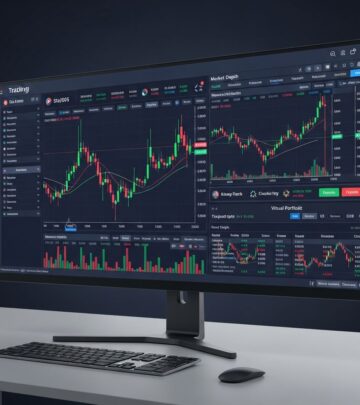
Selecting Your Ideal Stock Brokerage
Discover essential strategies to pick the perfect brokerage account that aligns with your investing goals, budget, and experience level for long-term success.

Choosing the right brokerage is a foundational step for any investor entering the world of stock trading and portfolio management. With numerous options available, from discount platforms to full-service firms, the decision impacts your costs, access to tools, and overall investing experience. This guide outlines a systematic approach to evaluate and select a brokerage that matches your financial objectives, whether you’re a novice saver or an active trader.
Understanding Your Investing Profile
Before diving into brokerage comparisons, define your personal investing style. Consider factors like your experience level, preferred assets, and trading frequency. Beginners often prioritize user-friendly interfaces and educational resources, while seasoned traders seek advanced charting and low-latency execution.
- Asset preferences: Do you focus on stocks, ETFs, options, or mutual funds? Some brokerages excel in specific areas, like options trading tools for derivatives enthusiasts.
- Trading activity: Buy-and-hold investors benefit from low maintenance fees, whereas day traders need robust real-time data and mobile apps.
- Risk tolerance and goals: Long-term retirement savers might opt for robo-advisors, while active participants require customizable platforms.
Aligning your choice with these elements ensures the platform supports your strategy without unnecessary frills or limitations.
Key Evaluation Criteria for Brokerages
Assess potential brokerages across several core dimensions to make an informed decision. Prioritize platforms regulated by authoritative bodies like the SEC and FINRA for investor protection.
Fees and Cost Structure
Costs can erode returns, so scrutinize all charges beyond headline commissions. Most modern brokerages offer $0 commissions on U.S. stocks and ETFs, but watch for options contracts, margin rates, and inactivity fees.
| Fee Type | Typical Range | What to Watch For |
|---|---|---|
| Stock/ETF Trades | $0 | Hidden spreads or payment for order flow |
| Options Contracts | $0.50-$0.65 per contract | Volume discounts for high-frequency traders |
| Account Minimums | $0-$2,500 | Waivers for active accounts |
| Inactivity Fees | $0-$20/month | Avoid if you’re a casual investor |
Compare total cost of ownership, including deposit/withdrawal fees and premium data subscriptions.
Trading Platforms and Technology
A reliable platform is the backbone of efficient trading. Test demo accounts to gauge intuitiveness, speed, and feature depth. Mobile apps should mirror desktop capabilities for on-the-go access.
- Beginner-friendly: Simple dashboards with guided tutorials.
- Advanced: Customizable charts, algorithmic trading, and API integrations.
- Mobile optimization: Push notifications for price alerts and seamless order placement.
Platforms like those from top brokerages provide paper trading for risk-free practice.
Investment Products and Markets
Ensure the brokerage offers the assets you need, from domestic stocks to international markets, crypto, or futures. Diversity in no-transaction-fee mutual funds and fractional shares broadens accessibility for smaller portfolios.
Research and Educational Resources
Quality research tools, including stock screeners, analyst reports, and economic calendars, empower better decisions. New investors should seek webinars, video libraries, and glossaries to build knowledge.
For ongoing learning, look for brokers with advanced strategy guides on topics like technical analysis or options Greeks.
Customer Support and Security
Responsive support via chat, phone, or email is crucial during market volatility. Verify SIPC insurance (up to $500,000) and two-factor authentication for account safety.
Brokerage Types Explained
Different brokerage models cater to varied needs. Understand the distinctions to narrow your search.
- Discount Brokers: Low-cost, self-directed platforms ideal for independent investors managing their own trades.
- Full-Service Brokers: Offer personalized advice from human advisors, suited for complex portfolios or high-net-worth individuals.
- Robo-Advisors: Automated portfolio management using algorithms, perfect for passive, low-maintenance investing.
Select based on your desired involvement level.
Top Brokerage Recommendations for 2026
Based on recent evaluations, standout options include:
- Fidelity: Excels in overall features, intuitive interfaces, and extensive no-fee funds. Best for everyday investors.
- Charles Schwab: Strong mobile app, multiple platforms, and comprehensive tools for all levels.
- E*TRADE: Robust education and analysis for novices to experts.
- Robinhood: Simple stock trading with promotional perks, great for beginners.
- Interactive Brokers: Advanced tools for professional traders.
These firms consistently rank high for reliability and innovation.
Step-by-Step Selection Process
- Shortlist candidates: Use review sites to identify 5-10 brokerages matching your profile.
- Review regulations: Confirm SEC/FINRA registration via BrokerCheck.
- Test platforms: Sign up for demos and simulate trades.
- Read user feedback: Analyze recent reviews for real-world insights.
- Compare quotes: Calculate costs for your expected activity.
- Open accounts: Start small to test service quality.
Frequently Asked Questions
What is the best brokerage for beginners?
Fidelity or Robinhood offer intuitive apps, $0 minimums, and rich educational content to ease entry into investing.
Are there truly free trades?
Yes, most major brokerages eliminated stock/ETF commissions, but options and margin carry separate fees.
How do I switch brokerages?
Initiate an ACATS transfer for seamless portfolio movement, typically free from the receiving firm.
What about taxes and reporting?
Brokerages provide 1099 forms; choose ones with strong tax optimization tools like tax-loss harvesting.
Is mobile trading safe?
Opt for platforms with biometric login and encryption; enable all security features.
Advanced Considerations for Serious Traders
For options or high-volume trading, prioritize low per-contract fees, strategy builders, and probability calculators. Margin accounts demand competitive borrow rates and risk management features. International exposure requires low forex fees and global exchange access.
Integrate fundamental screening (e.g., P/E ratios, earnings growth) with technical indicators via built-in tools for stock selection.
In summary, a well-chosen brokerage amplifies your investing potential by minimizing costs and maximizing tools. Regularly reassess as your needs evolve.
References
- How to Choose a Good Online Brokerage for Stock Trading — Moomoo. 2024. https://www.moomoo.com/us/learn/detail-how-to-choose-good-online-brokerage-117761-241288087
- How to Find the Right Broker (+ BEST Brokerages of 2025) — Dowjanes. 2025. https://www.dowjanes.com/blog/how-to-find-a-broker-best-brokerages-of-2024
- Best Brokerage Accounts for Online Investing and Stock Trading in 2026 — NerdWallet. 2026. https://www.nerdwallet.com/investing/best/online-brokers-for-stock-trading
- How to Pick Stocks: Fundamentals vs. Technicals — Charles Schwab. 2025. https://www.schwab.com/learn/story/how-to-pick-stocks-using-fundamental-and-technical-analysis
Similar Articles








Read full bio of Sneha Tete