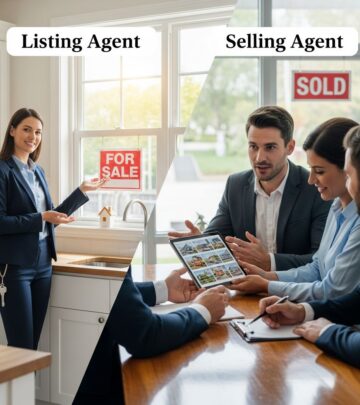
Selecting Your Ideal Listing Agent: 6 Interview Questions
Discover proven strategies to identify and partner with a top-tier listing agent who maximizes your home's sale potential and value.

Choosing the right listing agent is a pivotal decision when preparing to sell your home. This professional acts as your strategic partner, guiding you through pricing, promotion, negotiations, and closing to achieve the best possible outcome. With countless agents available, focusing on specific qualifications ensures you partner with someone equipped to handle your unique property and local market dynamics.
Understanding the Core Responsibilities of a Listing Agent
A listing agent manages the entire selling process from initial consultation to final handover. Their primary duties include conducting thorough market research to set a competitive price, creating comprehensive marketing campaigns to attract qualified buyers, skillfully negotiating offers to secure favorable terms, and coordinating inspections, appraisals, and paperwork to facilitate a seamless closing. Agents with proven track records in these areas can significantly boost your sale price and reduce time on market.
Effective listing agents also advise on home improvements or staging that yield the highest return on investment. They leverage their network of potential buyers, lenders, and inspectors to streamline the process and minimize surprises. By aligning their expertise with your goals—whether a quick sale or maximum profit—you position your home for success in any market condition.
Key Qualities to Seek in Top-Performing Agents
Not all real estate professionals are equal; prioritize those demonstrating depth in several critical areas. Start with full-time dedication: agents treating real estate as their sole profession invest more time in market trends, client service, and transaction management. Look for at least five years of continuous experience, as this tenure builds proficiency in navigating contracts, deadlines, and local regulations.
- Local Market Mastery: Agents intimately familiar with your neighborhood understand subtle value drivers like school districts, commute times, and upcoming developments that influence buyer interest.
- Sales Volume and Speed: Review recent transactions—aim for agents closing multiple homes annually in your area, with average days on market below the local norm.
- Client-Centric Approach: Responsive communication, transparency about challenges, and a willingness to adapt strategies signal a collaborative partner.
Experience matters, but so does adaptability. Newer agents backed by mentorship or high-volume teams can excel if they show enthusiasm and data-driven insights. Always verify credentials through state licensing boards and professional affiliations like the National Association of Realtors (NAR).
Matching Agent Expertise to Your Property Profile
Generic experience falls short; seek specialists aligned with your home’s characteristics. Evaluate their track record in similar properties by price range, location, and type. An agent excelling in luxury estates might overlook nuances in mid-range family homes, while a condo expert navigates HOA rules that single-family specialists ignore.
| Property Feature | Ideal Agent Experience | Why It Matters |
|---|---|---|
| Price Point (e.g., $400K-$600K) | Recent sales in same bracket | Accurate pricing and buyer targeting |
| Neighborhood/Street | Multiple local closings | Hyper-local marketing and comps |
| Property Type (e.g., Townhome) | HOA/condo sales history | Specialized disclosures and buyer appeal |
| Unique Features (e.g., Pool) | Comparable amenity sales | Value maximization without overpricing |
This targeted approach ensures the agent crafts strategies resonating with your ideal buyer demographic, from young families to downsizing retirees.
Practical Steps to Discover and Vet Potential Agents
Begin your search 6-8 weeks before listing to allow time for preparations like repairs or staging. Compile candidates from multiple channels: neighborhood for-sale signs, online directories like Zillow or Redfin, referrals from trusted contacts, and agent matching services. Aim to interview 3-5 agents to compare styles and insights.
- Gather Referrals: Ask recent sellers in your network for names of agents who delivered results.
- Online Research: Examine profiles on MLS sites, review sales histories, and read client testimonials for patterns in praise or complaints.
- Schedule Consultations: Request free comparative market analyses (CMAs) to gauge their analytical skills upfront.
During interviews, probe their process: How do they handle lowball offers? What contingency plans exist if the home lingers? Top agents provide detailed responses backed by data, not vague assurances.
Mastering the Interview: Essential Questions for Evaluation
Interviews reveal an agent’s competence and fit. Prepare targeted questions to assess their knowledge and alignment with your needs.
- How many homes have you sold in the past 12 months within my neighborhood and price range?
- Walk me through your pricing methodology using current comps—what list price do you recommend and why?
- Describe your full marketing plan, including digital, print, and in-person tactics.
- What is your negotiation philosophy, especially for multiple offers or inspection issues?
- How do you communicate progress—frequency and preferred channels?
- Share a challenging sale you turned around and the outcome.
Listen for specifics: Vague answers like “I’ll get you top dollar” raise red flags. Strong candidates reference recent sales data, buyer trends, and customized tactics. Discuss commission structures openly—negotiable rates reflect confidence in quick, high-value results.
Evaluating Pricing Expertise Through CMA Reviews
A high-quality CMA is your first litmus test. It compiles data on recently sold comparables (comps), active listings, and pending sales, adjusted for features like square footage, updates, and lot size. Request this gratis from candidates; it should include visuals, trend analysis, and a recommended list price range with rationale.
Challenge their conclusions: Why adjust upward for your updated kitchen but downward for dated roofing? Honest agents highlight strengths and weaknesses transparently, avoiding inflated valuations to win listings. Cross-verify with public records or tools like Redfin for consistency. This exercise confirms their market savvy and commitment to realistic expectations.
Assessing Marketing Strategies for Maximum Exposure
Great agents go beyond MLS postings. Demand a comprehensive plan detailing professional photography, drone footage, virtual tours, and targeted social media ads. Inquire about syndication to high-traffic sites, email blasts to buyer lists, and local partnerships for broader reach.
- Digital Focus: High-res images, 3D tours, and SEO-optimized descriptions on Zillow, Realtor.com.
- Paid Promotion: Facebook/Instagram ads geo-targeted to your buyer pool.
- Events and Networking: Broker tours, open houses, yard signs with QR codes.
- Performance Tracking: Analytics on views, inquiries, and adjustments based on data.
Agents ignoring analytics or relying solely on passive listings underperform. Prioritize those using A/B testing for headlines or pricing to optimize engagement.
Red Flags and Common Pitfalls to Avoid
Beware agents promising unrealistically high prices without evidence—these often lead to price reductions that signal desperation. Stiff communication or pressure to sign exclusive agreements immediately suggests misalignment. Check for disciplinary actions via state real estate commissions. Finally, steer clear of dual agents unless fully disclosed, as loyalty conflicts can undermine negotiations.
Frequently Asked Questions (FAQs)
What is the average commission for a listing agent?
Typically 5-6% of the sale price, split with the buyer’s agent, though negotiable based on services and market.
How long should I commit in a listing agreement?
Standard is 3-6 months; include exit clauses for underperformance.
Can I sell without an agent?
Yes, as FSBO, but data shows agent-assisted sales fetch 6% higher prices on average.
What if my home doesn’t sell quickly?
Review marketing data with your agent, consider price adjustments or enhancements guided by fresh comps.
Is a new agent a bad choice?
Not necessarily—many thrive with team support and fresh ideas, provided they demonstrate strong local knowledge.
Finalizing Your Partnership for Success
Once selected, formalize expectations in writing: list price, marketing timeline, communication protocols, and success metrics. A great agent becomes your advocate, turning market challenges into opportunities. With their guidance, your home sale transforms from stressful ordeal to profitable achievement.
References
- Questions to Ask When Choosing a Realtor — National Association of Realtors. 2023-01-15. https://www.nar.realtor/magazine/tools/client-education/handouts-for-sellers/questions-to-ask-when-choosing-a-realtor
- How to Choose the Right Real Estate Agent — Zillow. 2024-05-20. https://www.zillow.com/learn/choose-right-real-estate-agent/
- 8 Little-Known Ways to Find a Good Listing Agent — HomeLight. 2024-08-10. https://www.homelight.com/blog/how-to-find-a-good-listing-agent/
- How to pick a real estate agent to sell your home — Rocket Mortgage. 2024-03-12. https://www.rocketmortgage.com/learn/how-to-pick-a-realtor-to-sell-your-house
- How To Choose A Real Estate Agent For Selling Your House — Potterton Rule. 2023-11-05. https://pottertonrule.com/how-to-choose-a-real-estate-agent-for-selling-your-house/
Similar Articles








Read full bio of Sneha Tete