Outdoor Car Cover: A Practical Guide To Choosing The Best
Discover expert tips to pick an outdoor car cover that shields your vehicle from weather, UV rays, debris, and more for lasting protection.
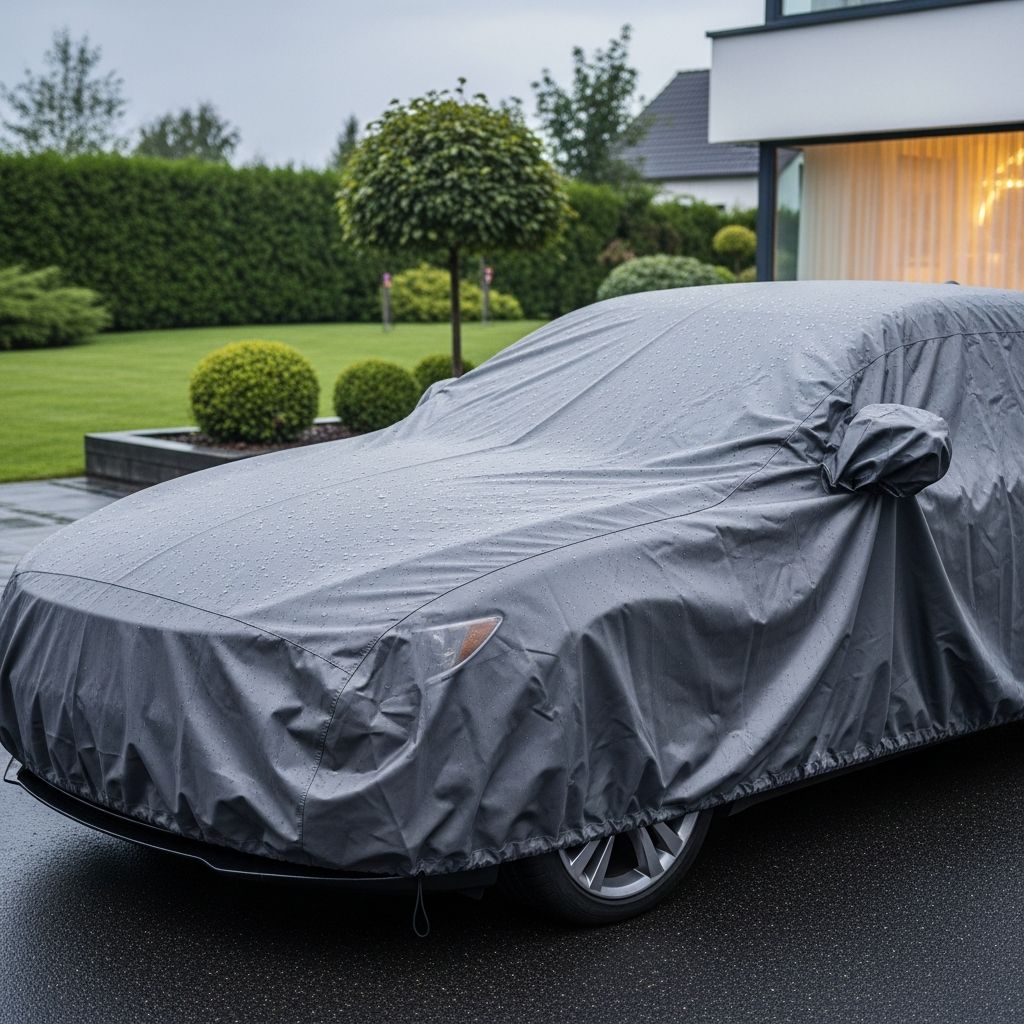
Outdoor car covers serve as a vital barrier between your vehicle and environmental threats like rain, intense sunlight, falling debris, and wind-blown particles. Choosing the right one involves evaluating material durability, weather resistance, proper fit, and additional protective features to ensure your car’s paint, clear coat, and overall condition remain pristine over time.
Why Invest in an Outdoor Car Cover?
Exposing your vehicle to the elements without protection accelerates wear and tear. Ultraviolet rays fade paint and crack dashboards, while precipitation promotes rust and corrosion on metal surfaces. Bird droppings, tree sap, and dust create acidic residues that etch into finishes if left unchecked. A quality outdoor cover mitigates these risks by repelling water, reflecting sunlight, and blocking contaminants, ultimately preserving resale value and reducing maintenance costs.
- Weather Defense: Repels rain, snow, and hail to prevent water infiltration and rust formation.
- Sun Protection: Blocks UV rays that cause oxidation and color loss on exteriors and interiors.
- Debris Shield: Prevents scratches from branches, droppings, and pollen buildup.
- Longevity Boost: Extends the life of paint and trim by minimizing exposure to pollutants.
Key Factors for Choosing the Right Cover
Selecting an outdoor car cover requires balancing several criteria tailored to your parking environment and local climate. Prioritize covers that offer a combination of waterproofing, breathability, UV resistance, and secure fastening to handle daily outdoor stresses effectively.
1. Match the Cover to Your Climate
Your region’s weather patterns dictate the necessary level of protection. In sunny, arid areas, prioritize UV-reflective materials to combat heat and fading. Wet, coastal zones demand fully waterproof options with mildew-resistant coatings. Temperate regions benefit from all-weather fabrics that manage moderate rain, wind, and occasional snow without trapping moisture.
| Climate Type | Recommended Features | Ideal Materials |
|---|---|---|
| Sunny/Hot | High UV block, heat reflection | Silver-coated polyester, multi-layer composites |
| Rainy/Wet | Waterproof, breathable | Polyurethane-coated, polypropylene |
| Snowy/Cold | Heavy-duty, wind-resistant | Multi-layer with straps, reinforced seams |
| Mixed/Moderate | Versatile all-weather | Breathable polyester blends |
2. Prioritize Material Quality and Construction
Materials form the backbone of any effective cover. Multi-layered fabrics provide superior defense by combining outer weatherproof shells with inner soft linings. Breathability is crucial to allow trapped moisture to escape, preventing mold under the cover during humid conditions.
- Polyester: Affordable, water-repellent, and UV-resistant; suitable for light outdoor use.
- Polypropylene: Lightweight and quick-drying; good for moderate weather but less durable in extremes.
- Nylon: Tough against tears and abrasions; excels in high-wind areas.
- Multi-Layer Composites: Offer comprehensive shielding with UV coatings, waterproof membranes, and breathable cores for all-season reliability.
- Polyurethane-Coated: Waterproof yet vapor-permeable; ideal for rainy climates without risking corrosion.
Look for double-stitched seams, elastic hems, and reinforced grommets for wind security. Avoid thin, single-layer plastics that crack over time and trap water.
3. Ensure a Snug, Custom Fit
A loose cover flaps in the wind, abrading paint, while a tight one stresses seams. Measure your vehicle’s length, width, height, and account for mirrors, antennas, or spoilers. Custom or semi-custom covers with tailored patterns outperform universals for full coverage and ease of installation.
- Sedan: Focus on mirror pockets and tapered rear.
- SUV/Truck: Extra length for beds and higher clearance.
- Sports Car: Aerodynamic shaping to reduce lift.
4. Evaluate Protective Features
Beyond basics, seek covers with value-added elements like anti-theft grommets for cable locks, soft inner fleece to prevent scratches, and reflective strips for visibility. Some include wind cords or straps to anchor against gusts up to 50 mph.
Outdoor vs. Other Cover Types: A Comparison
While indoor covers excel at dust control in garages, outdoor versions are engineered for elemental battles. Waterproof variants shine in storms but may sacrifice breathability if not hybrid-designed.
| Aspect | Outdoor | Indoor | Waterproof |
|---|---|---|---|
| Primary Protection | Weather, UV, debris | Dust, light scratches | Rain, snow |
| Breathability | Moderate-High | High | Variable |
| Durability | High | Medium | High |
| Best For | Driveway/Street | Garage | Wet climates |
Installation and Maintenance Best Practices
Proper use maximizes a cover’s lifespan. Park on a clean, flat surface free of sharp objects. Gently drape from the front, securing mirrors last, then pull taut and fasten all straps. Remove weekly to air out the vehicle and inspect for damage.
- Cleaning: Hose off dirt; use mild soap for stains. Air dry completely.
- Storage: Fold loosely in a breathable bag when not in use.
- Inspection: Check for tears or worn elastic quarterly; repair promptly.
In high-wind areas, use tie-downs through grommets. Never drive with the cover on, as it poses safety risks.
Common Mistakes to Avoid
Opting for the cheapest option often leads to frequent replacements. Ignoring fit results in abrasion from billowing fabric. Forgetting breathability in humid areas invites mildew. Always verify warranties—reputable brands offer 5-10 years against defects.
Frequently Asked Questions
Are all outdoor car covers waterproof?
Most are water-resistant, shedding light rain, but true waterproof models use sealed membranes for heavy downpours. Pair with breathability to avoid trapped moisture.
How often should I remove the cover?
At least weekly to check for moisture buildup and allow ventilation, especially after storms.
Can a car cover protect against hail?
Light hail yes, via padded layers, but severe storms require garage shelter. No cover stops large impacts fully.
What’s the difference between water-resistant and waterproof?
Water-resistant repels surface water; waterproof blocks penetration entirely but may trap vapor if non-breathable.
Do covers prevent scratches from wind-blown debris?
Yes, thicker multi-layers absorb minor impacts better than bare paint.
Top Recommendations by Vehicle Type
- Compact Cars: Lightweight polyester for easy handling.
- Full-Size Sedans: Multi-layer with UV shield.
- Trucks/SUVs: Heavy-duty with extended flaps and straps.
- Classic Cars: Custom-fit with soft lining for concours condition.
Investing in a premium outdoor car cover pays dividends through preserved aesthetics and reduced repair needs. Assess your needs holistically—climate, parking spot, vehicle size—and select accordingly for optimal results.
References
- Types of Car Covers: Pros and Cons — CarCover.com. 2023. https://www.carcover.com/blog/types-of-car-covers-pros-and-cons
- Outdoor Car Covers — Covercraft. 2024. https://www.covercraft.com/c/outdoor-car-covers
- Guide To Using A Car Cover Outdoors — CarCovers.com. 2023. https://www.carcovers.com/guide-to-using-a-car-cover-outdoors-waterproof-wind-uv-rays-and-more
- Outdoor Car Covers vs. Indoor Car Covers — AmericanTrucks. 2024. https://www.americantrucks.com/outdoor-car-covers-vs-indoor-car-covers-at-tech-guide.html
- Waterproof Car Covers Advantages, Disadvantages, and Care — CarCoversAndShelter. 2023. https://carcoversandshelter.com.au/blogs/blogs-about-carports-and-car-covers/waterproof-car-covers-advantages-disadvantages-and-care
- 6 Tips on How to Choose the Perfect Car Cover — CoversAndAll. 2024. https://www.coversandall.com/blog/how-to-choose-the-perfect-car-cover-for-your-vehicle/
Similar Articles








Read full bio of medha deb