Securities Lending: Definition, Process, and Market Impact
Understanding securities lending: How institutional investors generate income by loaning securities.

Understanding Securities Lending
Securities lending, also known as stock lending, is a fundamental financial mechanism in which one party transfers securities such as stocks or bonds to another party for a predetermined period. This transaction forms a crucial component of modern financial markets, enabling participants to achieve various objectives ranging from managing risk to generating additional income. The borrower of these securities provides collateral to the lender as security for the loan, creating a bilateral arrangement governed by strict contractual terms and regulatory requirements.
The practice has evolved from its origins in addressing settlement failures to become an essential service that enhances market liquidity and supports complex trading strategies. Securities lending transactions involve the temporary transfer of legal title to securities, with the borrower gaining full ownership rights during the loan period while maintaining an obligation to return identical securities to the lender upon maturity.
How Securities Lending Works
Securities lending transactions operate through a structured process that protects both lenders and borrowers. When a lender agrees to lend securities, the borrower receives complete legal and beneficial ownership of those securities for the duration of the loan. This ownership transfer includes important rights such as dividend payments, coupon payments, and voting rights associated with the securities.
The borrower must provide collateral to secure the loan, typically in the form of cash or other securities valued at or above the loaned securities’ value, plus an agreed-upon margin. This collateral arrangement protects the lender against potential default or adverse market movements. The fee structure for securities lending is negotiated between parties and expressed as an annualized percentage of the loaned securities’ value.
When cash serves as collateral, the fee arrangement may be structured as a “short rebate,” where the lender retains all interest accrued on the cash collateral while rebating an agreed-upon interest rate to the borrower. This mechanism ensures that both parties benefit from the transaction while maintaining appropriate risk management protections.
Collateral and Margin Requirements
Collateral management stands at the heart of securities lending arrangements, providing essential protection for both transaction participants. Collateral can take multiple forms, including cash, equities, government bonds, convertible bonds, corporate bonds, and other financial instruments. The choice of collateral type depends on the specific transaction requirements and the preferences of both parties involved.
Margin requirements serve as a critical safeguard in securities lending transactions. In the United States, the standard margin requirement is 2%, meaning collateral must exceed the value of loaned securities by at least this percentage. European markets typically maintain higher margin standards, with 5% being more common. These margin requirements protect lenders from market fluctuations and ensure that collateral value remains sufficient throughout the loan period. Collateral values are marked-to-market on a daily basis to maintain these protective margins continuously.
Key Market Participants
Securities lending markets involve several categories of participants, each playing distinct roles in facilitating these transactions. Major institutional lenders include mutual funds, insurance companies, pension plans, and exchange-traded funds (ETFs), which manage substantial securities portfolios and seek to generate additional income from their holdings. Asset managers and custodian banks also serve as significant securities lenders, with custodian banks holding securities on behalf of third parties.
On the borrowing side, typical participants include hedge funds and proprietary trading desks of investment banks. These borrowers utilize securities lending to implement various strategies, including short selling, arbitrage, hedging, and market-making activities. The International Securities Lending Association serves as the key trade organization representing the securities lending industry globally.
Purposes and Applications of Securities Lending
Securities lending serves multiple critical functions within financial markets. Originally developed to resolve settlement failures, the practice continues to address this fundamental need. When a party fails to deliver securities as promised, borrowing securities enables the original buyer to meet their delivery obligations to subsequent purchasers, avoiding costly penalties and operational disruptions.
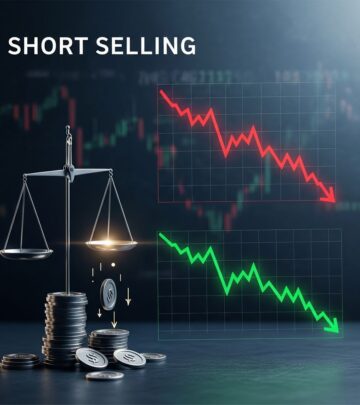
Short selling represents another major application of securities lending. Short sellers borrow securities to sell them at current market prices with the objective of repurchasing them at lower prices, capturing profits from anticipated price declines. The cash generated from short sales serves as collateral for the securities loan, with daily mark-to-market adjustments ensuring adequate collateral coverage.
Market-making activities depend heavily on securities lending. Financial institutions that commit to making markets in specific securities must maintain the ability to buy and sell those securities on demand. Securities lending enables market makers to borrow securities they don’t currently hold, fulfilling their market-making obligations without maintaining excessive inventory.
Additional applications include arbitrage strategies, where market participants exploit temporary price discrepancies to generate risk-free profits, and hedging activities designed to reduce exposure to adverse price movements. Portfolio rebalancing and various derivative trading strategies also rely on the ability to borrow securities efficiently.
Legal and Regulatory Framework
Securities lending operates within a comprehensive regulatory environment that varies across jurisdictions but maintains consistent core principles. In most major securities markets worldwide, securities lending is explicitly legal and clearly regulated. Regulators mandate that securities borrowing be conducted only for specifically permitted purposes, which generally include facilitating settlement of trades, enabling short sales delivery, financing securities, and supporting loans to other borrowers pursuing these permitted objectives.
The Securities Lending Agreement serves as the foundational legal document governing these transactions, establishing contractual obligations enforceable under applicable law, typically specified within the agreement itself. These agreements detail collateral requirements, fee structures, borrowing periods, and the rights and responsibilities of both parties.
When borrowers receive securities through lending arrangements, they must return manufactured dividends and coupons to the lenders, even though they retain legal ownership during the loan period. This requirement ensures that lenders do not lose the economic benefits of their securities despite the temporary ownership transfer.
Securities Lending in Investment Banking
Investment banks utilize securities lending in specialized ways to provide services to large institutional investors. When investors pledge their shares as collateral to borrow money for additional investments, they typically enter into securities lending arrangements with their investment banks. However, large investors such as pension funds often choose to lend their unpledged shares as well, allowing them to generate interest income from idle securities without committing them as collateral.
In these arrangements, investors continue to receive dividends as normal, with the primary restriction being an inability to vote their shares during the loan period. This structure enables investors to generate passive income while retaining their beneficial interest in the underlying securities.
Comparison with Repurchase Agreements
Securities lending and repurchase agreements (repo) represent distinct but related types of securities financing transactions. While both involve the temporary transfer of legal title to securities in exchange for collateral, they differ in fundamental motivation and structure. Repo transactions are typically driven by the need to borrow and lend cash, whereas securities lending is usually driven by the need to borrow specific securities. However, significant overlap exists between securities lending and the specials segment of the repo market, which addresses demand for particular securities.
Both instruments can often serve as functional substitutes for each other in many market contexts, though their specific applications and economic structures create distinct use cases within financial markets.
Securities-Backed Lending Arrangements
Beyond institutional securities lending, the term “securities lending” also describes securities-collateralized lending arrangements in private and institutional contexts. Stock loans and individual securities-collateralized loans typically involve banks or brokerages lending to other institutions for temporary purposes such as covering short sales. Consumer lending programs involving securities must operate through fully licensed and regulated institutions with appropriate regulatory memberships and audited financial statements, commonly structured as securities-based credit lines.
Market Impact and Economic Significance
Securities lending has become an increasingly vital component of domestic and international securities markets, contributing significantly to market efficiency and liquidity. The steady growth of securities lending reflects its pivotal role in improving market efficiency, enhancing securities market liquidity, and supporting sophisticated trading and arbitrage strategies pursued by financial market participants.
By enabling smooth market functioning during periods of stress, facilitating the completion of complex trading strategies, and supporting the availability of specific securities when needed, securities lending contributes to overall market stability and resilience.
Frequently Asked Questions
Q: What is the primary purpose of securities lending?
A: Securities lending serves multiple purposes including facilitating settlement of trades, enabling short sales, supporting market-making activities, and allowing institutional investors to generate additional income from their securities holdings while continuing to benefit from dividends and other distributions.
Q: How is collateral managed in securities lending transactions?
A: Collateral is marked-to-market daily to ensure its value exceeds the loaned securities by the required margin (typically 2% in the US, 5% in Europe). Collateral can consist of cash, equities, bonds, or other securities, providing protection against default and market fluctuations.
Q: Who are the primary participants in securities lending markets?
A: Major lenders include pension funds, insurance companies, mutual funds, and asset managers. Primary borrowers include hedge funds, investment banks’ proprietary trading desks, and market makers seeking to implement trading strategies or fulfill market-making obligations.
Q: What are manufactured dividends in securities lending?
A: Manufactured dividends are payments from borrowers to lenders that replicate the economic benefits of dividends and coupons on loaned securities. Although borrowers legally own the securities during the loan period, they must pass back these payments to preserve the lender’s economic interests.
Q: How does securities lending differ from repo transactions?
A: The primary distinction lies in motivation: repo is typically driven by the need to borrow cash, while securities lending is usually motivated by the need to borrow specific securities. Both mechanisms involve temporary ownership transfers secured by collateral but serve different market functions.
Q: Is securities lending regulated?
A: Yes, securities lending is legal and clearly regulated in major securities markets worldwide. Regulations specify permitted purposes for borrowing, require collateral arrangements, mandate margin requirements, and establish comprehensive legal frameworks governing transactions through Securities Lending Agreements.
References
- Securities Lending — Wikipedia. https://en.wikipedia.org/wiki/Securities_lending
- What is securities lending? — European Central Bank. 2016-12-08. https://www.ecb.europa.eu/ecb-and-you/explainers/tell-me-more/html/securities_lending.en.html
- Cheat sheet: What is Securities Financing? — Finance Watch. https://www.finance-watch.org/policy-portal/stability-supervision/cheat-sheet-what-is-securities-financing/
- Equity Finance Explained — Nomura. https://www.nomura.com/resources/europe/pdfs/equity-fianace.pdf
- What is the difference between repo and securities lending? — ICMA Group. https://www.icmagroup.org/market-practice-and-regulatory-policy/repo-and-collateral-markets/icma-ercc-publications/frequently-asked-questions-on-repo/13-what-is-the-difference-between-repo-and-securities-lending/
Similar Articles








Read full bio of medha deb