Securing Student Loans Independently: A Comprehensive Guide
Discover practical strategies for obtaining student loans without parental involvement, empowering your educational journey on your own terms.

Independent students pursuing higher education often face unique financial hurdles, particularly when parental support is unavailable. Fortunately, federal and private lending options exist to bridge the gap, allowing self-reliant borrowers to fund their studies without cosigners or family involvement. This guide outlines eligibility criteria, application processes, and strategic considerations to help you navigate the landscape effectively.
Understanding Independent Student Status
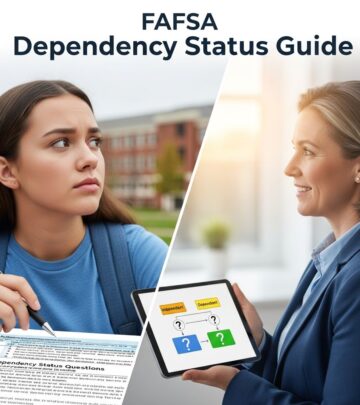
Qualifying as an independent student fundamentally changes how financial aid is calculated, focusing solely on your personal finances rather than those of your parents. According to federal guidelines, you meet this status if you are 24 years or older by December 31 of the award year, married, a graduate or professional student, a veteran or active-duty service member, or if you have legal dependents other than a spouse. Additional qualifiers include those who were in foster care after age 13, emancipated minors, homeless youth, or wards of the court up to age 21.
If none of these apply, you may still pursue a dependency override through your school’s financial aid office. This requires documentation proving unusual circumstances, such as abusive family situations or parental abandonment. Third-party letters from counselors, mentors, or social workers strengthen these requests. Schools review these on a case-by-case basis, potentially granting temporary or multi-year status.
Navigating the Federal Aid Application Process
The cornerstone of federal student aid is the Free Application for Federal Student Aid (FAFSA), available at StudentAid.gov starting October 1 each year for the upcoming academic period. Independent students report only their own income and assets, often leading to higher aid eligibility compared to dependents.
Step-by-Step FAFSA Submission
- Create an FSA ID: Begin by registering at StudentAid.gov with your Social Security number, name, birth date, and email. This ID signs your application electronically.
- Gather Documents: Prepare your Social Security card, driver’s license, recent tax returns, W-2s, bank statements, and proof of untaxed income. Use the IRS Data Retrieval Tool to auto-import tax data for accuracy.
- Complete the Form: Answer dependency questions precisely, list all prospective schools, and submit before deadlines. Processing yields your Student Aid Index (SAI), used by schools to package aid.
- Monitor for Verification: Check email and school portals for document requests. Respond promptly to avoid delays in aid disbursement.
Post-submission, schools issue financial aid offers detailing grants, work-study, and loans. Prioritize free money like Pell Grants first, then subsidized loans (government-paid interest while in school), followed by unsubsidized options.
Completing Loan Requirements
First-time borrowers must finish Entrance Counseling—a 30-minute online module covering budgeting, repayment, and default risks—and sign a Master Promissory Note (MPN) outlining loan terms. Funds disburse directly to your school for tuition, with refunds for other costs.
Exploring Federal Loan Limits and Benefits
Federal Direct Loans offer fixed rates, income-driven repayment, and forgiveness programs unavailable in private options. Independent undergraduates can borrow up to $9,500 (freshmen) to $12,500 (seniors) annually in unsubsidized loans, plus subsidized amounts based on need. Graduates access up to $20,500 yearly in unsubsidized loans.
| Loan Type | Annual Limit (Independent Undergrad) | Interest Paid By |
|---|---|---|
| Direct Subsidized | Up to $4,500 (Year 1) | Government (in-school) |
| Direct Unsubsidized | $9,500-$12,500 | Borrower |
| Graduate Unsubsidized | $20,500 | Borrower |
No credit check is required for federal loans, making them accessible regardless of credit history.
Private Lending Alternatives for Greater Flexibility
When federal limits fall short, private loans from banks or specialized lenders fill the gap. These often cover up to the full cost of attendance minus other aid but hinge on creditworthiness. Most undergraduates need a cosigner due to limited credit, though options exist for strong profiles.
Finding Cosigner-Free Private Loans
Lenders like Ascent and Funding U evaluate non-traditional factors: GPA, major, school, and projected earnings. Compare via marketplaces by reviewing rates (fixed 4-15%, variable), fees (0-8%), terms (5-20 years), and repayment options. Application mirrors federal: submit ID, SSN, taxes, and income proof; approval sends funds to school.
- Shop Strategically: Use prequalification tools to check rates without credit dings.
- Weigh Risks: Variable rates fluctuate; fixed offer stability. Cosigner release after 24-48 on-time payments is common.
Building Credit and Strengthening Applications
A thin credit file challenges independent borrowers. Start with a secured credit card or become an authorized user on a family member’s account to build history. Pay utilities or rent via services reporting to bureaus. Aim for a score above 670 for competitive private rates.
Document income from part-time jobs, scholarships, or work-study to demonstrate repayment capacity. Tools like debt-to-income calculators help gauge affordability.
Strategic Borrowing and Repayment Planning
Borrow minimally: calculate true costs including tuition, books, housing, and transport. Use aid calculators on school sites. Post-graduation, federal plans like SAVE cap payments at 5-10% of discretionary income. Private loans may offer similar but less forgiveness.
Avoid default by enrolling in auto-pay for rate discounts and monitoring servicer communications. Refinance post-graduation if rates drop and credit improves.
Common Challenges and Solutions
Dependency Disputes: If denied independent status, appeal with evidence; persist through financial aid appeals.
High Costs: Layer aid: grants + work-study + minimal loans.
Credit Barriers: Opt for federal first; build history for private later.
Frequently Asked Questions (FAQs)
What documents prove independent status?
Court emancipation orders, foster care records, or third-party abuse affidavits.
Can I apply for loans before FAFSA processing?
No—federal aid requires FAFSA; private can proceed independently.
How soon after FAFSA do funds arrive?
3-5 days for SAI; schools disburse within weeks post-counseling/MPN.
Are private loans forgivable?
Rarely; federal offers public service or income-based forgiveness.
What if I’m denied a dependency override?
Borrow unsubsidized federal loans up to limits or seek private with cosigner.
Empowering yourself with knowledge positions you for success. Start with FAFSA today to unlock opportunities tailored to independent circumstances.
References
- How to Apply for Federal Student Loans as an Independent Student — Edvisors. 2025. https://www.edvisors.com/student-loans/federal-student-loans/federal-student-loans-for-independent-students/
- The Complete Guide to Applying for Student Loans — Savingforcollege.com. 2025. https://www.savingforcollege.com/article/the-complete-guide-to-applying-for-student-loans
- How To Get A Student Loan Without A Parent — Bankrate. 2025. https://www.bankrate.com/loans/student-loans/how-to-get-student-loan-without-parent/
- How to Apply for Student Loans: Federal and Private — Citizens Bank. 2025. https://www.citizensbank.com/learning/how-to-apply-for-student-loans.aspx
- How Do I Qualify as a FAFSA Independent Student? — FinAid.org. 2025. https://finaid.org/about/contact/fafsa-independent-student/
- Independent Student — Federal Student Aid (studentaid.gov). 2025. https://studentaid.gov/help-center/answers/article/independent-student
Similar Articles








Read full bio of Sneha Tete