Securing a New Credit Card After Loss or Theft
Complete guide to replacing a lost or stolen credit card quickly and safely
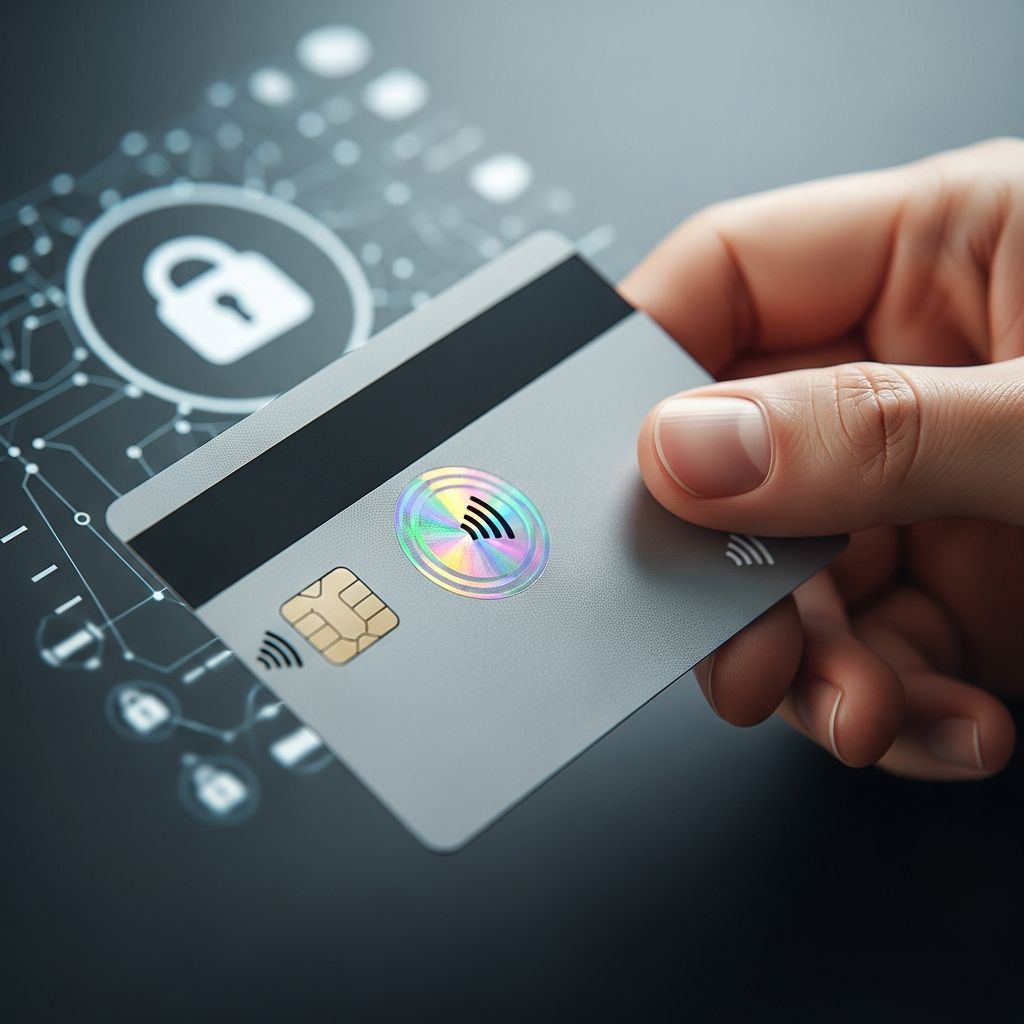
Losing a credit card or discovering it has been stolen can be stressful, but the good news is that the process for obtaining a replacement has been streamlined by most financial institutions. Acting quickly and following the proper procedures can minimize your exposure to fraudulent charges and get you back to normal spending within days. Understanding the steps involved—from the initial notification through activation of your new card—empowers you to handle this situation with confidence and protect your financial accounts.
Recognizing When Immediate Action Is Required
The first critical decision is determining whether your card is truly lost or stolen. Many people discover their card is missing when they reach for their wallet or purse, or when a transaction is declined. Others may realize unauthorized charges appearing on statements indicate theft. The distinction matters because stolen cards require additional steps beyond simple replacement.
Before panicking, take a moment to retrace your steps. Check common locations: your car, your workplace, at home in jacket pockets, or places you recently visited. If you genuinely cannot locate your card after a thorough search, or if you suspect fraudulent activity on your account, it’s time to contact your issuer immediately. The sooner you report the issue, the sooner your card can be deactivated to prevent unauthorized use.
Initiating Contact with Your Card Issuer
Once you’ve confirmed your card is missing, reaching your financial institution should be your immediate priority. Most major card issuers provide multiple convenient channels for reporting a lost or stolen card. You can typically reach customer service through phone, online banking platforms, mobile applications, or even secure messaging within your account portal.
When you contact your issuer, be prepared to verify your identity. Representatives will ask standard security questions such as your date of birth, the last four digits of your Social Security number, or recent transaction details. This verification process ensures that someone cannot fraudulently report a card as lost to cause you problems.
Many cardholders find the online or mobile app method particularly convenient because it can be completed in minutes from anywhere. Simply log into your account, locate the lost or stolen card option, and follow the prompts. The process is intentionally straightforward, and most issuers complete the initial lock within seconds of your request.
Understanding the Card Cancellation Process
A critical distinction that confuses many people is the difference between canceling a card and canceling an account. When you report your card lost or stolen and request a replacement, only the physical card is canceled—not your entire credit account. This is an important distinction because your account remains active and in good standing.
Canceling the card means that the specific card number you possessed is deactivated. Any subsequent attempt to use that old card number for purchases will be declined. This immediate deactivation is what protects you from fraudulent charges accumulating on your account. The card issuer will then generate an entirely new card with a different number, new expiration date, and new security code.
The speed of this protection depends on your notification method. Phone and app-based notifications are typically processed immediately, while mail-based notifications may take several business days to process. Given this variation, prioritizing immediate digital notification is strongly recommended.
Timeline Expectations for Receiving Your Replacement
One of the most common questions cardholders ask is how long they’ll wait for their replacement card. The timeline typically falls into several categories depending on the issuer and shipping method selected.
Standard Replacement Delivery: Most credit card issuers deliver replacement cards within 3 to 6 business days. This timeline allows the issuer to print your new card with personalized information, prepare it for shipment, and arrange delivery. Some issuers are faster than others; for example, certain premium card products include next-business-day delivery as a standard benefit.
Expedited Options: If you need your card urgently, many issuers offer expedited shipping for an additional fee. This service can reduce your wait time to 1-2 business days, though costs vary by issuer. The fee is typically modest—often between $10 and $25—and is charged to your account.
Digital Card Access: A newer option that several major issuers now offer is immediate digital card access. Upon approval of your replacement request, you can receive a virtual card number that works with digital wallets like Apple Pay or Google Pay within hours. This allows you to continue making purchases digitally while waiting for your physical card to arrive.
Protecting Yourself Beyond Card Replacement
While your replacement card is en route, additional protective measures strengthen your overall security posture. If you suspect the card was stolen rather than simply lost, consider placing a fraud alert with the credit bureaus. This alert notifies creditors that they should verify your identity before opening new accounts in your name.
The Federal Trade Commission operates IdentityTheft.gov, a centralized resource where you can report suspected identity theft and document the incident. Creating a report provides official documentation and gives you access to an identity theft recovery plan if needed.
Review your account statements carefully for any unauthorized charges that may have occurred before you reported the card missing. Most credit cards offer zero-liability protection for unauthorized charges, meaning you won’t be held responsible for fraudulent purchases. Report any suspicious activity to your issuer immediately for investigation and credit back to your account.
Managing Recurring Payments and Subscriptions
A significant inconvenience of receiving a new card is the cascade of updates required across merchants and service providers where you’ve stored your credit card information. Any subscription services, utility payments, or recurring purchases set up with your old card number will need to be updated with your new number.
Some financial institutions have modernized this process. Certain issuers automatically push new card information to major digital wallets—Apple Pay, Google Pay, and Samsung Pay—when you request a replacement. However, this automatic update doesn’t extend to merchant websites, online retailers, or service subscriptions where you’ve stored your card details.
Upon receiving your new card, systematically update your information with all merchants where you have recurring charges. Most online retailers and service providers provide straightforward payment method management in account settings. Prioritize essential services like utilities, insurance, loan payments, and subscription services that you depend on regularly.
Contact your card issuer if you’re uncertain whether recurring payments will continue uninterrupted. Some issuers have systems in place to honor recurring payments even after card replacement, while others require merchant updates. Understanding your specific issuer’s policies prevents missed payments that could impact your credit score.
Activation and First Use of Your New Card
When your replacement card arrives in the mail, don’t immediately discard the packaging materials—they typically contain important activation instructions. Most modern cards are activated automatically when you use them for the first transaction, though some issuers still require manual activation through phone or app.
Before using your card, verify that the name, card number, and expiration date are all correct. Occasionally, printing errors occur, and you want to identify these immediately rather than after attempting a purchase and encountering declined transactions.
Activate your card through the method provided. If automatic activation upon first use is the policy, simply make a small purchase to activate. If manual activation is required, call the number on the back of the card or use your issuer’s mobile app. Activation typically takes seconds, and you’ll receive confirmation.
Proper Disposal of Your Old Card
Once you’ve successfully activated your new card and confirmed it works, you should securely destroy your old card—even though it’s been deactivated. Federal Trade Commission guidance recommends a specific destruction process to prevent any possibility of misuse.
Cut the magnetic stripe, the entire card number, and the security code with scissors or a paper shredder. This ensures no readable information remains. Dispose of the cut pieces in separate trash bags to further reduce the possibility of reconstruction. Some people prefer to dispose of pieces in different locations, though this may be excessive for a deactivated card.
Frequently Asked Questions About Card Replacement
Is there a fee to replace a lost or stolen card?
Standard replacement is free with most credit card issuers. You only incur a fee if you choose expedited shipping services, which typically cost $10-$25 depending on the carrier and speed selected.
Can I temporarily lock my card instead of canceling it?
Yes, many issuers offer card locking features within their mobile apps. This is useful if you think your card is temporarily misplaced rather than truly lost. You can lock your card to prevent new purchases while you continue searching, then unlock it if you find it. If you ultimately determine it’s lost, you can then request replacement with the card already locked.
What if I haven’t received my replacement after the stated timeline?
Contact your issuer immediately if your card doesn’t arrive within the stated timeframe. Occasionally, mail is delayed or lost in transit. Your issuer can investigate, resend your card, or discuss expedited alternatives. Until arrival, you can continue using digital wallet access or make phone purchases if necessary.
Will my credit score be affected by a lost card and replacement?
A lost or stolen card and subsequent replacement does not directly impact your credit score. Your account remains in good standing, your credit limit is unaffected, and responsible use continues to build your credit history. Only missed payments or unauthorized fraudulent charges could indirectly affect your score.
How do digital wallet updates work when I get a replacement card?
Many issuers have agreements with digital wallet providers to automatically update card information when a replacement is issued. This means Apple Pay, Google Pay, and similar services may automatically reflect your new card information. However, this doesn’t work for all merchants or third-party websites; you’ll still need to manually update those accounts.
Proactive Measures to Prevent Future Loss or Theft
While replacement processes are streamlined, prevention is always preferable to dealing with a lost or stolen card. Consider several proactive strategies. First, register your cards with your mobile wallet immediately upon receipt. Many people discover that a lost physical card is less problematic when a digital version is available for emergency purchases.
Second, monitor your account regularly through your issuer’s app or online portal. Reviewing transactions frequently helps you identify fraudulent activity quickly, often before official statement delivery. Most issuers offer real-time notifications of transactions, which also alert you immediately if your card is being used fraudulently.
Third, maintain a secure system for remembering which merchants have your card information on file. When you replace your card, you’ll have a reference list of accounts requiring updates. This practice also helps you identify subscriptions you’d forgotten about, potentially saving you money by canceling services you no longer use.
Conclusion
A lost or stolen credit card, while inconvenient, is no longer the financial emergency it once was. Modern credit card issuers have invested in systems that provide rapid card deactivation, quick replacement delivery, and digital alternatives that keep you functional during the transition period. By acting quickly, following your issuer’s procedures, and updating your account information with merchants, you can minimize disruption and return to normal spending within days. The combination of issuer protections, zero-liability fraud policies, and immediate digital access means you’re never truly without payment options when a card goes missing.
References
- Lost Credit Card? Here’s What to Do — American Express. https://www.americanexpress.com/en-us/credit-cards/credit-intel/lost-credit-card/
- What to do if you lost your credit card — Chase Bank. https://www.chase.com/personal/credit-cards/education/basics/what-to-do-if-you-cant-find-credit-card
- A Step-By-Step Action Plan for a Lost Credit Card — Credit One Bank. https://www.creditonebank.com/articles/a-step-by-step-action-plan-for-a-lost-credit-card
- How do I get a replacement credit card with the same number? — U.S. Bank. https://www.usbank.com/customer-service/knowledge-base/KB0069525.html
- Reporting Stolen and Lost Credit Cards — Visa. https://usa.visa.com/support/consumer/lost-stolen-card.html
- Replacement Cards — Capital One Help Center. https://www.capitalone.com/help-center/fraud-disputes/replacement-card-support/
- What to Do If Your Discover Credit Card Is Lost or Stolen? — Discover. https://www.discover.com/credit-cards/card-smarts/find-lost-credit-card-discover/
Similar Articles








Read full bio of Sneha Tete