Securing Home Insurance in Wildfire-Prone Areas
Navigate the complexities of obtaining reliable homeowners coverage in high-risk fire zones with proven strategies and risk mitigation tips.
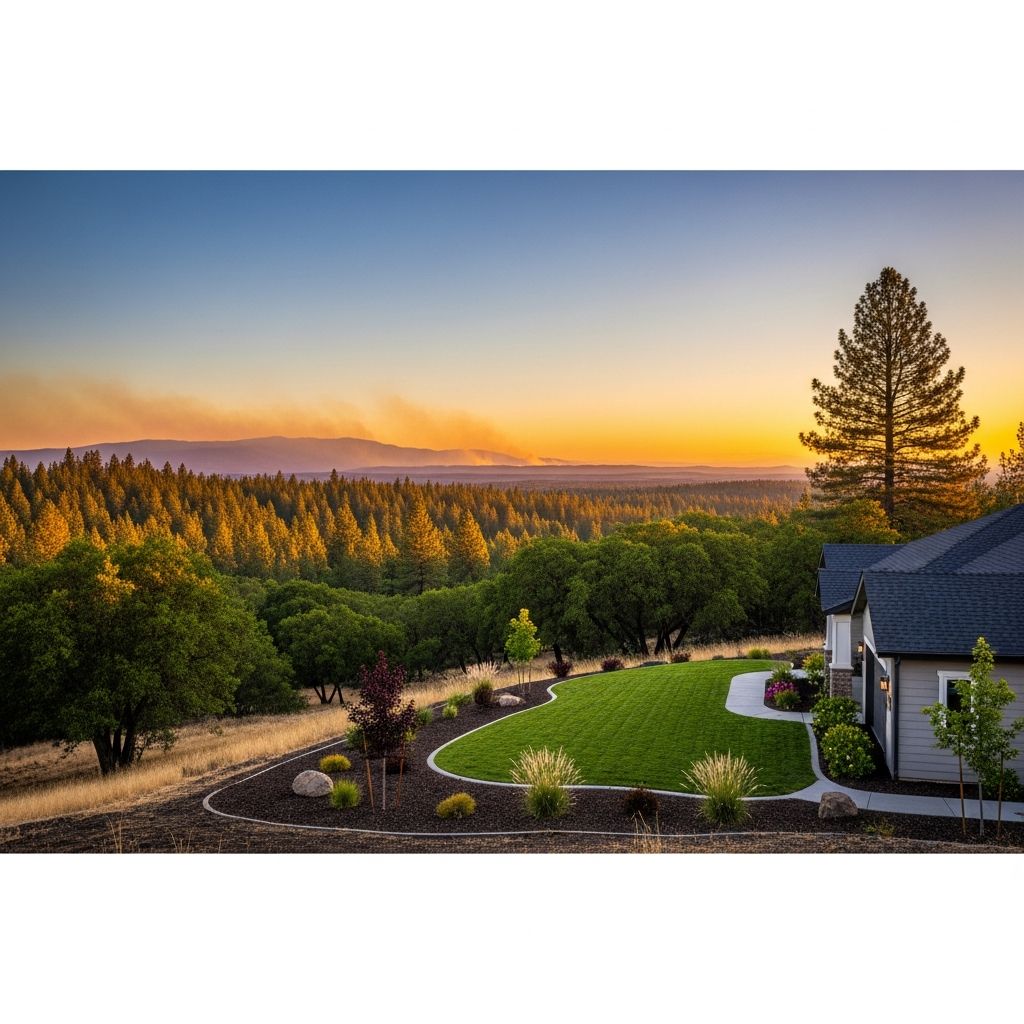
Properties located in regions designated as high-risk for wildfires face unique challenges when seeking homeowners insurance. Standard carriers often limit or decline coverage due to elevated loss potential, leading to higher premiums or outright unavailability. However, through targeted home hardening, alternative insurance markets, and proactive risk management, homeowners can obtain necessary protection.
Understanding Wildfire Risk Designations
Wildfire risk zones are mapped based on factors like vegetation density, terrain steepness, wind patterns, historical fire data, and proximity to wildlands. In California, Fire Hazard Severity Zones (FHSZs) categorize areas as Moderate, High, or Very High, directly impacting building standards and insurance considerations. Updated maps from 2024 reflect intensified risks, with many previously low-risk communities now elevated.
These designations trigger stricter regulations, such as mandatory fire-resistant materials in construction and expanded defensible space requirements. Insurers cross-reference these maps with proprietary models for parcel-specific scoring, influencing underwriting decisions and rates.
- Vegetation and fuel loads: Dense brush or dry grasslands accelerate fire spread.
- Topography: Steep slopes and high elevations funnel flames upward.
- Weather influences: Winds carry embers miles ahead of the fire front.
- Historical patterns: Past ignitions predict future vulnerabilities.
Challenges of Insuring High-Risk Properties
In High or Very High FHSZs, carriers may impose surcharges, demand inspections, or non-renew policies. The 2023 season saw over 8,000 fires burn more than 1 million acres, destroying 2,400 structures, underscoring the financial strain on insurers. Without mitigation, homes risk becoming uninsurable, forcing reliance on last-resort options.
| Risk Level | Insurance Impact | Typical Requirements |
|---|---|---|
| Moderate | Standard rates possible | Basic defensible space |
| High | Higher premiums, inspections | Ember-resistant features |
| Very High | Limited carriers, mandates | Full retrofits, grants eligible |
Standard policies cover wildfires under the “fire” peril, including smoke damage, but exclusions apply in extreme zones. Dwelling coverage rebuilds structures, while liability protects against injuries on premises.
Proven Strategies to Mitigate Fire Risks
Reducing a property’s wildfire vulnerability is the most effective way to attract insurers and lower costs. Focus on creating defensible space, upgrading materials, and maintaining readiness.
Establishing Defensible Space Zones
Clear flammable materials in layered zones around structures. FEMA and CAL FIRE recommend starting with a 0-5 foot immediate perimeter free of debris, expanding to 30 feet with trimmed vegetation.
- Remove dead plants, leaves, and pine needles from roofs, gutters, and yards.
- Trim tree branches 6-10 feet from ground and away from chimneys.
- Replace mulch with non-combustible gravel or stone near foundations.
- Avoid invasive species like manzanita that ignite easily.
Hardening Your Home’s Structure
Incorporate fire-resistant features to contain embers and resist ignition. These align with NFPA standards and may qualify for discounts or grants.
- Vents: Install 1/8-inch mesh screens on attic, soffit, and foundation openings.
- Roofing and siding: Use Class A fire-rated materials like metal or composites.
- Eaves and decks: Enclose overhangs and box in wooden decks.
- Windows: Double-pane, tempered glass reduces ember penetration.
Simple actions like these can drop risk scores significantly, making properties more appealing to underwriters.
Interior and Evacuation Preparedness
Enhance internal safety with smoke detectors on every level, extinguishers in key areas, and dual escape routes per room. Develop a family plan including maps, go-bags, and monthly checks.
Alternative Insurance Pathways
When traditional policies falter, explore specialized options tailored for fire-prone areas.
State FAIR Plans
Fair Access to Insurance Requirements (FAIR) Plans offer basic fire coverage where markets fail. Available nationwide, they cover fire, wind, and vandalism but exclude liability, theft, and additional living expenses (ALE) from wildfires. Pair with a Difference in Conditions (DIC) policy for comprehensive protection. Treat as temporary; shop regularly.
Surplus and Excess Lines Carriers
Non-admitted insurers handle ultra-high risks standard firms avoid. Policies cost more and lack state claim guarantees, so verify financial strength via ratings agencies. Ideal bridge while mitigating.
Premium Carriers for High-Value Homes
Companies like Chubb or AIG serve luxury properties in risky zones, often bundling prevention services like private firefighters. Minimum home values apply.
Financial and Practical Steps Forward
Build an emergency fund for deductibles, code upgrades, or temporary housing. Consult your state’s insurance department for agent referrals versed in high-risk markets.
Regularly reassess coverage: Opt for replacement cost over actual cash value (ACV) to avoid depreciation hits. Ensure dwelling limits match rebuild costs amid inflating materials.
Frequently Asked Questions
Does standard home insurance cover wildfires?
Yes, under the fire peril, but high-risk exclusions are common. Confirm with your agent.
How far should defensible space extend?
At least 30 feet; 100 feet in Very High zones per CAL FIRE.
Are FAIR Plans sufficient alone?
No, supplement with DIC for full protection.
Can I get discounts for fireproofing?
Yes, many carriers offer 5-25% reductions post-inspection.
What if no insurer accepts my home?
Contact state FAIR Plan and surplus markets immediately.
Long-Term Community Resilience
Beyond individual actions, community efforts like fuel breaks and updated codes bolster insurability. Track CAL FIRE maps and insurer moratoriums for proactive adjustments.
References
- Fire Hazard Severity Zones: How They Impact Your Home Insurance — Guidewire. 2024. https://www.guidewire.com/hazardhub/fire-risk/fire-hazard-severity-zones
- How to Get Homeowners Insurance in a Fire Zone — Experian. 2024. https://www.experian.com/blogs/ask-experian/how-to-get-homeowners-insurance-fire-zone/
- Fire Risk Reduction: Homeowner Insurance on a Wildfire Risk Area — InsZone Insurance. 2024. https://inszoneinsurance.com/blog/fire-risk-reduction
- How to find affordable homeowners insurance in a high-risk fire zone — Bankrate. 2024. https://www.bankrate.com/insurance/homeowners-insurance/finding-affordable-homeowners-insurance-in-a-fire-zone/
- Wildfire Zones and Home Insurance: What You Should Know — Powell Meadows. 2024. https://powellmeadows.com/wildfire-zones-and-home-insurance-what-you-should-know/
Similar Articles








Read full bio of medha deb