Essential Guide to Securing Your Home Before Travel
Comprehensive preparation strategies to protect your property while you're away
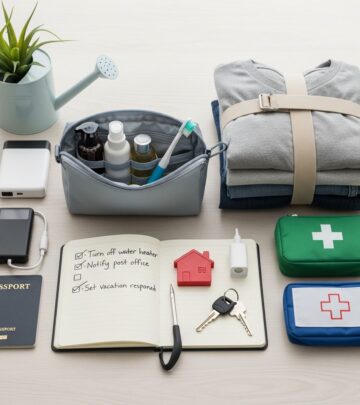
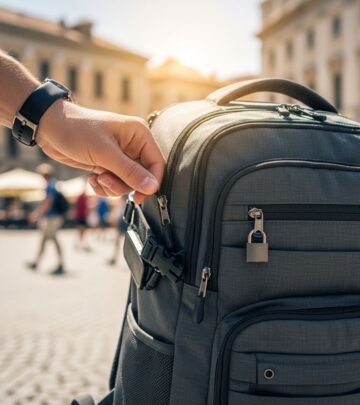
Leaving your home unoccupied for an extended period requires thoughtful preparation and strategic planning. Whether you’re embarking on a week-long vacation or an extended sabbatical, taking the time to properly secure and maintain your property protects your investment and provides peace of mind during your absence. This comprehensive guide outlines the essential steps every homeowner should take before leaving their residence unattended.
Understanding the Importance of Pre-Departure Preparation
Many homeowners underestimate the risks associated with leaving a property vacant. Beyond theft and vandalism, unoccupied homes face threats from weather damage, pest infestations, plumbing emergencies, and utility-related hazards. A methodical approach to preparation significantly reduces these risks and ensures your home remains in excellent condition upon your return.
The preparation process involves three primary focus areas: security measures to deter unauthorized access, utility management to prevent accidents and damage, and maintenance protocols to preserve your property’s integrity. By addressing each category systematically, you create multiple layers of protection for your home.
Fortifying Your Home’s Exterior Defenses
The exterior of your home serves as the first line of defense against potential intruders and environmental damage. Begin by examining all entry points, including doors, windows, and garage openings. Ensure all locks function properly and consider upgrading to deadbolts on exterior doors if they currently feature only standard locks.
Windows require particular attention. Lock all windows securely and consider installing window locks if they don’t currently have them. For ground-floor windows, evaluate whether security bars or window film might provide additional protection. Close and lock any sliding glass doors, and consider securing them with a bar or brace to prevent forced entry.
Landscaping significantly impacts your home’s security profile. Overgrown bushes and trees provide cover for potential intruders and suggest that no one is actively maintaining the property. Before departing, trim back any vegetation that obscures windows or entry points. Maintain your lawn by arranging for regular mowing or enlisting a trusted neighbor to care for landscaping. A well-maintained yard signals that someone is monitoring the property.
Secure outdoor items that thieves might target. Store gardening tools, lawn equipment, and recreational gear inside the garage or a locked shed. Bring in patio furniture, decorative items, grills, and any other portable valuables that could be stolen or damaged by weather.
Strategic Security Measures
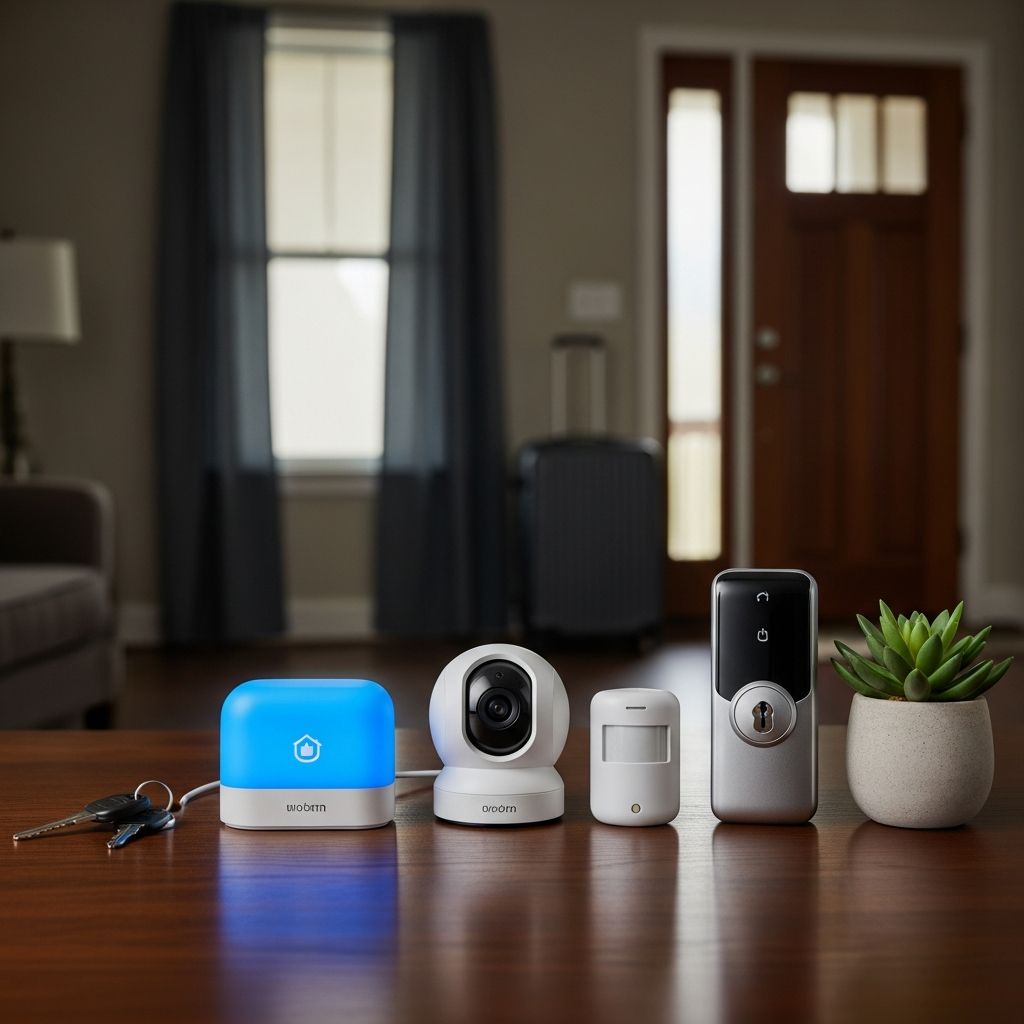
Modern security technology provides homeowners with powerful tools for protecting vacant properties. Install a security system with door and window sensors that alert you to any unauthorized entry attempts. Many systems now offer mobile app integration, allowing you to monitor your home in real-time from anywhere in the world.
Exterior lighting serves a dual purpose: it deters potential intruders while making your property appear occupied. Install motion-activated lights near entry points and consider leaving certain interior lights on timers to simulate occupancy patterns. Thieves typically target homes that appear dark and unoccupied, so strategic lighting can be an effective deterrent.
Smart home technology has revolutionized home security while away. Programmable smart lights can turn on and off at varying times throughout the day, creating the impression that someone is home. Some homeowners also use sound systems to play music or a television at scheduled intervals. These simple techniques make your home appear active and monitored.
Before departing, inform a trusted neighbor or friend of your travel plans and leave them a key or access code. Ask them to periodically check on your home, collect mail and packages, and report any suspicious activity. Human presence and attention remains one of the most effective deterrents to criminal activity.
Managing Water Systems and Plumbing
Water-related emergencies represent one of the most significant risks to unoccupied homes. A single burst pipe or undetected leak can cause thousands of dollars in damage within hours. Before leaving, locate your main water shut-off valve and ensure you understand how to operate it. Share this information with your trusted neighbor or friend who is monitoring the property.
Examine all visible pipes under sinks, in basements, and in crawl spaces for signs of leaks, corrosion, or damage. Have any problematic areas repaired before departure. If you’re leaving during winter months in a cold climate, consider draining your pipes or letting faucets drip slowly to prevent freezing and burst pipes.
Perform a final check of all fixtures, including toilets, sinks, showers, and washing machines. Ensure no water is running continuously. Look for visible leaks around the water heater and examine the basement or lowest level of your home for standing water or dampness that might indicate existing problems.
For properties in freezing climates, some homeowners choose to shut off water entirely before extended winter absences. This drastic measure requires experience and careful execution, as you must drain all lines completely. Alternatively, maintaining consistent heating throughout the home prevents most freezing-related problems.
Electrical Safety and HVAC Considerations
Address electrical hazards before departing. Unplug unnecessary devices and power strips to reduce fire risk. Leave only essential items plugged in, such as refrigerators and security systems. If you notice any damaged cords, outlets with scorch marks, or flickering lights, have an electrician evaluate these issues before your departure.
Program your heating and cooling system to maintain a reasonable temperature throughout your absence. Homes left completely unheated in winter risk freeze damage, while homes left without air conditioning in summer can suffer from excessive humidity and mold growth. Most thermostats allow you to set the system to maintain a specific temperature range.
Modern smart thermostats offer remote control capabilities, allowing you to adjust temperatures from your phone if needed. These devices also provide energy savings by running the system only as necessary rather than maintaining comfort-level temperatures in an empty home.
Pest Prevention and Interior Protection
Empty homes become attractive to rodents, insects, and other pests that damage property and create health hazards. Remove all food sources before departing. Empty your refrigerator and dispose of perishable items, or have someone check on them if your absence will be brief. Store non-perishable foods in sealed, pest-proof containers rather than leaving them in pantries or cabinets.
Secure trash in sealed containers or remove it from the property entirely. Ask your waste management company to suspend service during your absence, as overflowing or uncollected trash attracts pests. Similarly, arrange for someone to collect mail and packages, as piles of paper and cardboard also attract rodents and insects.
Check door sweeps and weather stripping around all entry points. Seal any gaps or cracks where pests might enter. This preventive measure also improves energy efficiency by reducing heating and cooling loss.
Essential Interior Preparations
Perform thorough cleaning before departure. Dirty dishes, spilled food, and general clutter create pest problems and can develop odors during extended absences. Clean all kitchen surfaces, appliances, and floors. Empty and clean the refrigerator, disposing of anything that will spoil while you’re away.
Strip bedding and wash linens, or leave fresh sheets on beds. Some homeowners prefer fresh sheets upon return, while others remove all linens to prevent musty odors. Make the decision based on your length of absence and storage capabilities.
Dust and vacuum throughout your home. Remove trash and ensure all garbage cans are empty. Clean bathrooms thoroughly and dispose of any items that might develop mold or mildew during your absence.
Close interior doors and window treatments to protect furnishings from sun fading. However, maintain adequate air circulation to prevent stale odors and mold development. Slightly opening some interior doors while keeping exterior doors and windows secured allows air to flow throughout the home.
Documentation and Emergency Preparedness
Create a detailed inventory of your home’s contents, including serial numbers and photographs of valuable items. Store this documentation separately from your home, either digitally in cloud storage or in a safe deposit box. This inventory proves invaluable for insurance claims if your home experiences theft or disaster while you’re away.
Document the condition of your home before departure with photographs or video. Record meter readings for water and electricity, note any existing damage, and document the state of your property. This record protects you if damage occurs during your absence and provides evidence for insurance claims.
Leave emergency contact information for a trusted neighbor, friend, or family member with local service providers. Provide your property manager, local police, and fire department with information about your absence and emergency contact details. Some communities offer vacation watch programs where local law enforcement periodically checks on vacant homes.
Utility Management Checklist
| Utility System | Pre-Departure Action | Purpose |
|---|---|---|
| Water | Inspect for leaks; locate shut-off valve; consider draining if freezing conditions expected | Prevent burst pipes and water damage |
| Electricity | Unplug non-essential devices; check for damaged cords; set thermostat to maintenance level | Reduce fire risk and energy costs |
| Gas | Inspect connections; ensure water heater is functioning; close gas logs or decorative units | Prevent gas leaks and explosions |
| HVAC | Change air filters; set thermostat; verify system functionality | Maintain property protection; ensure system operates correctly upon return |
| Security System | Test all sensors; ensure backup batteries; set to away mode | Detect unauthorized entry and environmental hazards |
Outdoor Preparation for Different Seasons
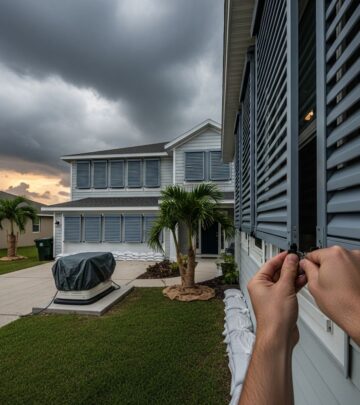
Seasonal considerations significantly impact preparation priorities. During winter months, drain exterior faucets and hoses to prevent freeze damage. Turn off outdoor water valves and remove garden hoses from their connections. Cover air conditioning units with weatherproof covers to protect them from snow and ice damage.
For summer absences in warm climates, ensure your air conditioning system is functioning properly and set to maintain adequate temperature. Inspect roof gutters and downspouts to ensure proper water drainage, as heavy rains can cause damage to homes without proper water management systems.
Spring and fall absences require attention to both seasonal weather patterns and fallen leaves. Clean gutters and downspouts before departure to ensure water drains away from your foundation. Remove fallen leaves from your yard and gutters, as accumulated debris can clog drainage systems and create moisture problems.
Advanced Security Considerations
Consider installing a video doorbell or exterior security cameras that provide remote monitoring capabilities. These devices allow you to view anyone approaching your home and often integrate with your smartphone. The visible presence of security cameras alone deters many potential intruders.
Smart door locks eliminate the need for hidden physical keys and allow you to grant temporary access to service providers or trusted individuals without duplicating keys. You can monitor access logs to see when your property was entered and by whom.
Some homeowners employ house-sitting services where a trusted individual lives in the home during their absence. This approach provides the ultimate security through human presence, though it requires finding a reliable and trustworthy person.
Frequently Asked Questions
Should I leave any lights on while I’m away?
Yes, but strategically. Use timers on interior lights to create an occupancy pattern, or install smart lights that can be controlled remotely. Motion-activated exterior lights provide security without creating an obvious pattern.
What should I do with mail and packages?
Ask a trusted neighbor to collect mail and packages, or place a hold with your postal service. Accumulated mail signals to observers that no one is home.
Is it safe to shut off my water completely?
Complete water shut-off requires careful execution and is typically only recommended for winter absences in freezing climates. Consult a plumber if you’re unsure about your specific situation.
How often should someone check on my home?
For absences longer than a few days, weekly checks are reasonable. For longer trips, increase frequency to biweekly or arrange for more frequent monitoring if possible.
What if I don’t have a trusted neighbor?
Consider hiring a professional house-sitting service or property management company. Many offer periodic check-in services specifically for vacant homes.
References
- Printable Vacation Home Checklist — Mr. Handyman. 2024. https://www.mrhandyman.com/tips-ideas/checklists-resources/vacation-home-checklist/
- The Complete Vacation Rental Inventory Checklist — Breezeway. 2024. https://www.breezeway.io/blog/vacation-rental-inventory-checklist
- The Ultimate Vacation Rental Inventory Checklist — Vacasa. 2024. https://www.vacasa.com/homeowner-guides/ultimate-inventory-checklist-for-vacation-rentals
- The Must-Have Inventory Checklist For Vacation Rentals — Good Night Stay. 2024. https://goodnightstay.com/blog/must-have-inventory-checklist-for-vacation-rentals/
- Vacation Rental Property Preparation: The Ultimate Checklist — Stay Classy Homes. 2024. https://www.stayclassyhomes.com/pages/vacation-rental-property-preparation-checklist
Similar Articles








Read full bio of Sneha Tete