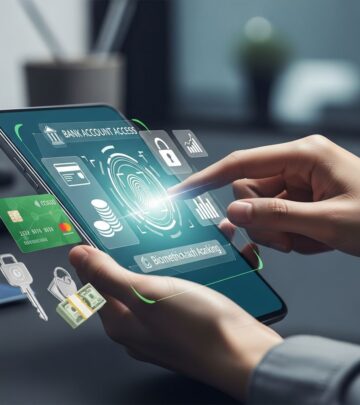
Securely Linking Bank Accounts: Risks and Rewards
Explore the benefits of connecting bank accounts to services like credit monitoring while understanding security measures and potential pitfalls to protect your finances.
Connecting your bank account to external services has become a common practice in modern finance, enabling features like automated savings, expense tracking, and even credit score improvements. While these tools offer significant convenience, questions about safety persist due to rising cyber threats and data privacy concerns. This article examines the mechanisms behind secure linking, weighs the advantages against potential dangers, and provides actionable advice for minimizing risks.
Why People Link Bank Accounts Today
In an era of digital banking, linking accounts streamlines money management. Users connect checking and savings accounts across institutions or to apps for a unified view of finances. This setup facilitates quick transfers without wire fees and supports features like overdraft protection from a secondary account.
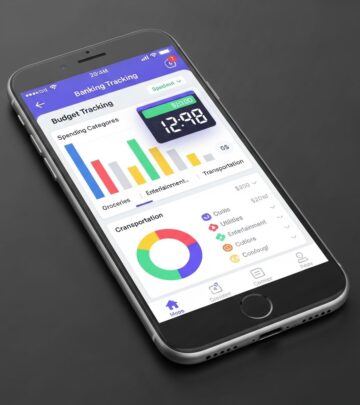
Financial apps often require these connections to analyze spending patterns, identify subscriptions, or automate investments. For instance, platforms that track budgets pull transaction data to categorize expenses automatically. Similarly, credit services use linked data to incorporate positive payment histories into scoring models, potentially raising scores without traditional credit activity.
- Unified dashboard for multiple accounts
- Fee avoidance through linked overdraft options
- Automated tools for savings and bill splitting
Core Benefits of Account Connections
The primary appeal lies in efficiency and cost savings. Banks frequently waive monthly maintenance fees when accounts are interconnected, and transfers between linked profiles avoid costly external processing. Overdraft safeguards prevent penalty charges by drawing from reserves seamlessly.
Beyond banking, third-party integrations unlock advanced capabilities. Expense trackers highlight wasteful spending, while investment apps suggest high-yield options based on cash flow. Credit enhancers, like those adding utility payments to reports, can boost scores by up to 13 points on average for eligible users.
| Benefit | Description | Potential Savings |
|---|---|---|
| Overdraft Protection | Automatic pull from linked savings | Avoids $35+ fees per incident |
| Fee Waivers | Monthly charges dropped | $10-25 per month |
| Credit Improvement | On-time payments added to file | Higher loan approvals |
| Spending Insights | Automated categorization | Identifies $50+ unused subs |
Understanding the Security Layers Involved
Reputable institutions employ robust defenses. Banks use encryption to scramble data in transit and at rest, alongside tokenization that replaces sensitive details with unique identifiers. Multi-factor authentication (MFA) adds verification steps, and biometric logins like fingerprints enhance access controls. Fraud monitoring systems flag anomalies in real-time.
For credit services specifically, partnerships with trusted processors ensure read-only access. Data is anonymized, meaning even in a breach, attackers cannot reconstruct account credentials. Services like those from major bureaus delete unlink requests promptly, limiting exposure.
Potential Dangers and Real-World Examples
Despite safeguards, vulnerabilities exist, particularly with lesser-known apps. Third-party platforms may lack comprehensive MFA or sell user data to brokers, expanding the attack surface. Breaches have occurred; in 2022, a fintech exposed user details, though funds remained intact due to quick response.
Another incident in 2025 saw a payment app fined $175 million for fraud lapses, underscoring regulatory scrutiny. Linking increases data points available to hackers—names, balances, habits—fueling targeted scams or identity theft. Unpaid fees from mishandled accounts can escalate to collections, indirectly harming credit.
- Data sales to advertisers without consent
- Expanded breach risks from multiple connections
- Loss of fraud liability if terms violated
Evaluating Third-Party Services for Trustworthiness
Not all apps are equal. Banks, insured by the FDIC, maintain higher standards than unregulated fintechs. Check for SOC 2 compliance, indicating audited security practices. Read privacy policies for data usage clarity and opt-out options.
Legitimate services limit access to necessary data and never request full login credentials directly. Plaid or similar aggregators act as intermediaries, using secure APIs without storing passwords. Verify app permissions before approval.
How Credit Bureaus Handle Linked Data
Bank balances and routine transactions do not appear on credit reports, as banks rarely report to bureaus. Positive exceptions occur with opt-in tools that scan for on-time bills like rent or utilities, adding them as tradelines. This ‘boost’ reflects in FICO and VantageScore models without altering core account reporting.
Negative impacts arise only from delinquencies sent to collections. Linking to a bureau account thus focuses on enhancement, retaining control via unlink features.
Best Practices to Minimize Exposure
Adopt a cautious approach: link only essential accounts, prefer bank-native apps, and enable all security features. Regularly review connected services in app settings and unlink unused ones. Monitor statements for irregularities and use virtual cards for testing new platforms.
- Research app reviews and security certifications
- Use strong, unique passwords with MFA
- Limit permissions to read-only where possible
- Freeze credit reports post-breach alerts
- Unlink and delete data annually
Regulatory Protections for Consumers
U.S. laws like the Electronic Fund Transfer Act (EFTA) cap liability for unauthorized transfers at $50 if reported promptly. FCRA governs credit data accuracy, allowing disputes for errors. CFPB oversees complaints, as seen in recent fintech penalties.
FDIC insurance covers deposits up to $250,000 per account, even if linked, provided the host bank complies. These frameworks deter negligence but require user vigilance.
FAQs on Bank Account Linking Safety
Is linking safe with major credit bureaus?
Yes, services use bank-grade encryption and anonymized data via partners like Mastercard, with easy unlink options.
Can linked accounts affect my credit score directly?
No, balances do not; only opt-in positive payments or collections do.
What if a breach occurs?
Anonymization prevents account access; monitor credit and change credentials.
Should I link to unknown apps?
Avoid unless vetted; stick to FDIC-insured or certified providers.
How do I unlink safely?
Access settings, revoke access, and request data deletion.
Future Trends in Secure Financial Connectivity
Advancements like passwordless authentication and AI-driven threat detection promise safer links. Open banking regulations will standardize APIs, reducing risks. Users should stay informed on updates to maintain protection.
In summary, informed linking maximizes benefits while curbing risks through diligence and trusted providers. Balance convenience with caution for optimal financial health.
References
- Is it safe to link bank accounts? – Bankrate — Bankrate. 2025-01 (updated). https://www.bankrate.com/banking/is-it-safe-to-link-bank-accounts/
- Is it Safe to Link Your Bank Account to Experian? — Experian. Recent (2024+). https://www.experian.com/blogs/ask-experian/is-it-safe-to-link-bank-accounts-to-experian/
- Is It Safe To Link Bank Accounts? 7 Risks You Need To Know – Aura — Aura. 2024. https://www.aura.com/learn/is-it-safe-to-link-bank-accounts
- Do Bank Accounts Affect Credit Reports? – Experian — Experian. Recent. https://www.experian.com/blogs/ask-experian/are-bank-accounts-affect-credit-report/
- Your Bank’s Role Under The Fair Credit Reporting Act — Financial Education Inc. Recent. https://financialedinc.com/Your-Banks-Role-Under-The-Fair-Credit-Reporting-Act-FCRA
Similar Articles








Read full bio of medha deb