Secured vs. Unsecured Personal Loans: Key Differences
Compare secured and unsecured personal loans to find the best option for your financial needs.
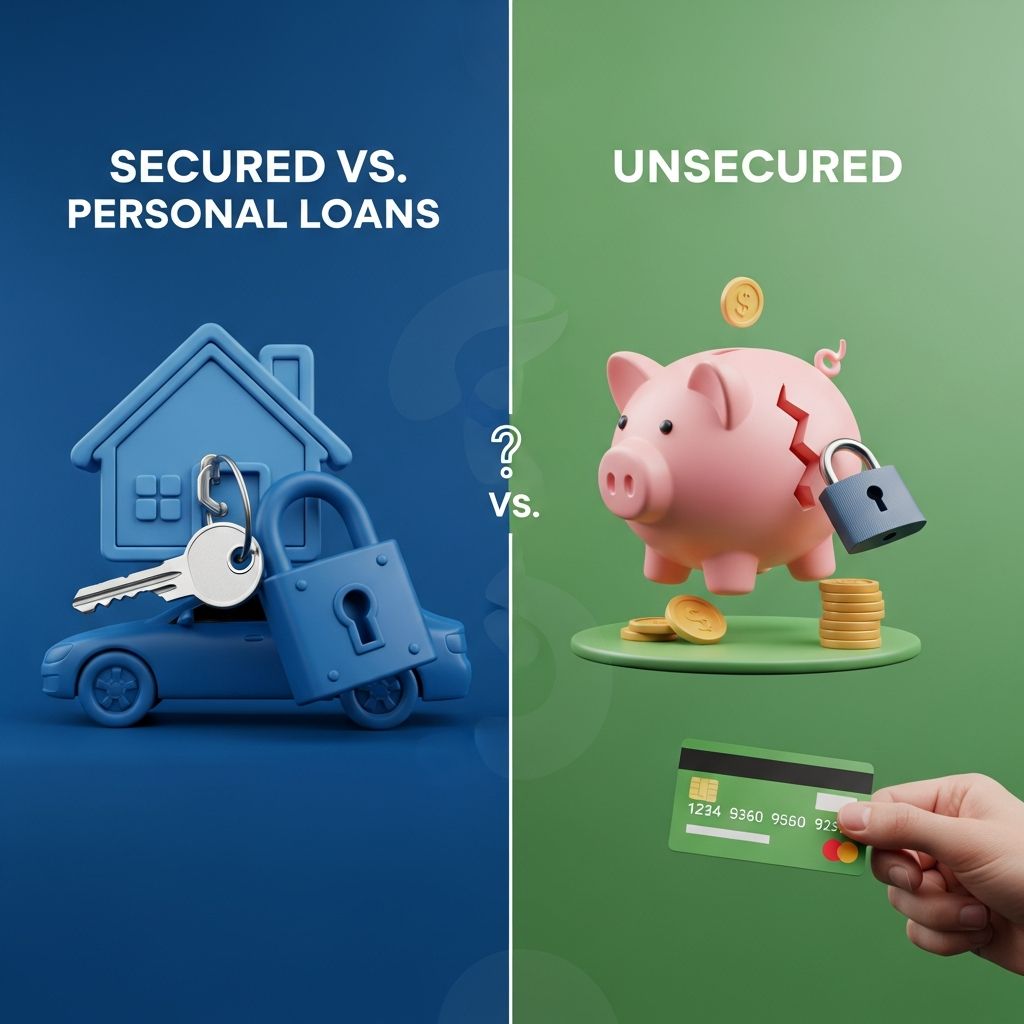
Understanding Secured vs. Unsecured Personal Loans
When you need to borrow money, you have multiple options available through banks, credit unions, and online lenders. Two primary types of personal loans are secured and unsecured loans, and they differ significantly in structure, requirements, and benefits. Understanding these differences is crucial for making an informed financial decision that aligns with your needs, assets, and credit profile.
Secured and unsecured personal loans differ in five fundamental areas: the need for collateral, interest rates, the amount you can borrow, how you can use the funds, and what you need to qualify. Each type presents distinct advantages and disadvantages depending on your financial situation.
Key Takeaways About Personal Loans
Before diving deeper into the comparison, here are the essential points to understand about personal loans:
- Secured and unsecured loans can be obtained from a bank, credit union, or online lender
- Secured loans require collateral but provide access to a larger sum of funds
- Unsecured loans do not require collateral; eligibility is based on creditworthiness
- Interest rates vary significantly between the two types
- Your choice depends on your financial situation and risk tolerance
The Five Key Differences Between Secured and Unsecured Loans
Collateral Requirements
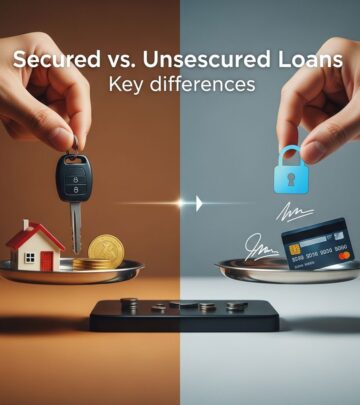
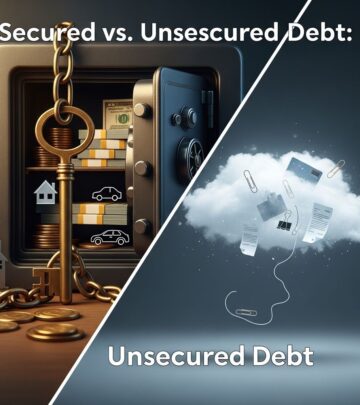
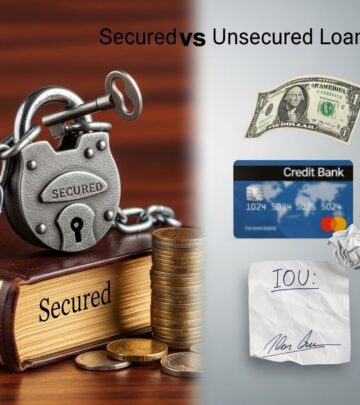
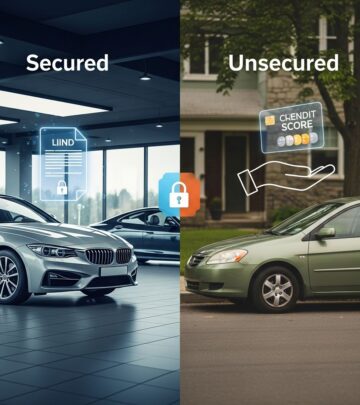
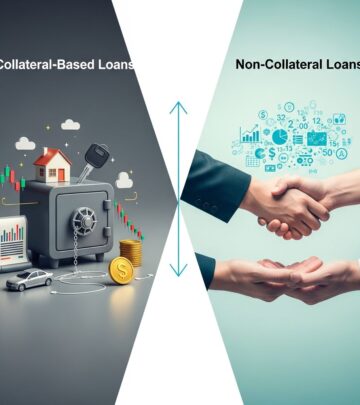
The most fundamental difference between these two loan types is the collateral requirement. Secured personal loans require you to pledge a valuable asset as collateral to secure the loan. This asset could be a savings account, vehicle, real estate, or other valuable property. If you default on a secured loan, the lender has the right to seize this collateral to recover their losses.
Unsecured personal loans, conversely, do not require any collateral. You borrow money based solely on your creditworthiness and promise to repay, without putting any assets at risk. This fundamental distinction shapes all other differences between the two loan types.
Interest Rates
Interest rates represent one of the most significant differences between secured and unsecured loans. Lenders take on less risk with secured loans since borrowers have a strong incentive to repay the loan to protect their collateral. Because of this reduced risk, average interest rates are typically much lower for secured loans.
According to lending data, secured loan annual percentage rates average 20 percent lower than unsecured loan rates. Unsecured loans currently carry interest rates above 12 percent on average, with rates typically ranging from 7 percent to 36 percent depending on creditworthiness. The lowest APRs generally go to the most qualified borrowers, while those with fair or bad credit scores face higher rates.
However, if you have a good credit score (670 or higher on the FICO scale, though lenders may have their own definitions), you can still secure favorable rates for either loan type.
Borrowing Limits
Secured loans typically offer higher borrowing limits than unsecured loans because the loan amount can be based on the value of your collateral. If your collateral is worth $50,000, you may be able to borrow a significant percentage of that amount.
Unsecured loans, while sometimes available up to $100,000 with lenders like SoFi, generally have lower borrowing limits. Your eligibility is based on your creditworthiness, income, and existing debt rather than asset value. This means you may not be able to borrow as much as you would need with an unsecured loan.
Funding Time
The time it takes to receive your funds differs between loan types. Unsecured loans can typically be funded quickly, sometimes within a day or two, since there are no assets to verify or appraise.
Secured loans may take longer to fund if collateral needs to be verified or appraised. However, many lenders can still fund secured loans in a week or less, depending on the complexity of the collateral verification process.
How You Can Use the Funds
Secured loans often come with restrictions on how you can use the borrowed funds. You may need to specify a particular spending purpose to qualify, such as home improvement, education, or debt consolidation. Some lenders impose strict guidelines on fund usage to protect their investment.
Unsecured loans typically offer far fewer restrictions. You can generally use the funds as needed for virtually any purpose, whether it’s consolidating debt, covering unexpected expenses, or making a major purchase. This flexibility is one of the primary advantages of unsecured loans.
Comparison Table: Secured vs. Unsecured Personal Loans
| Feature | Secured Loan | Unsecured Loan |
|---|---|---|
| Collateral Required? | Yes | No |
| Interest Rates | Lower average interest rates than unsecured loans | Higher rates than secured loans; currently above 12 percent on average |
| Loan Amounts | Up to a percentage of the value of the collateral | Up to $100,000 in some cases |
| Qualification Requirements | Lower credit score requirements | Good to excellent credit and high income required for best rates |
| How Funds Can Be Used | May need specific spending purpose to qualify | Few restrictions; funds can generally be used as needed |
| Funding Time | Can take longer due to collateral verification | Can be funded in a day or two |
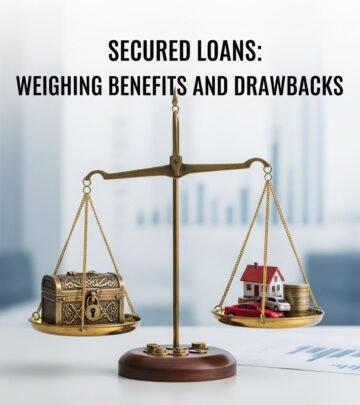
Pros and Cons of Secured Personal Loans
Advantages of Secured Loans
- Less stringent eligibility requirements: If you have a lower credit score or limited credit history, a secured loan may be easier to obtain
- Lower interest rates: Secured loans often feature significantly lower interest rates than unsecured loans
- Higher borrowing limits: If your collateral is worth enough, you can access a larger sum of funds compared to unsecured options
- Better approval odds: The presence of collateral reduces lender risk, making approval more likely
Disadvantages of Secured Loans
- Risk of asset loss: Your collateral can be seized and sold if you default on the loan, meaning you could lose your car, savings, or other pledged assets
- Fund usage restrictions: There tend to be restrictions on how you can use the funds, limiting your flexibility
- Longer processing time: Collateral verification and appraisal can extend the approval and funding timeline
Pros and Cons of Unsecured Personal Loans
Advantages of Unsecured Loans
- No collateral required: You don’t need to pledge any assets to qualify for the loan
- Asset protection: A lender cannot take your assets if you default on the loan, though they may still pursue legal action
- Faster funding: Without collateral verification, money can reach your account quickly
- Spending flexibility: You can use the funds for virtually any purpose without restrictions
Disadvantages of Unsecured Loans
- Higher interest rates: Unsecured loans often carry higher interest rates than secured loans due to increased lender risk
- Stricter credit requirements: It may be tough to qualify with bad credit, and you typically need a minimum score of 580 to qualify and 700 for favorable rates
- Lower borrowing limits: You may not be able to borrow as much as needed for larger expenses
- Potential for higher loan costs: The combination of higher rates and stricter terms can result in significantly more expensive borrowing
Understanding Qualification Requirements
Secured Loan Qualification
With secured loans, credit requirements may be lower because you offset the lender’s risk by putting an asset on the line. Some lenders may be willing to work with borrowers who have no credit history or are rebuilding their credit. The presence of collateral acts as insurance for the lender, making them more willing to approve applications from borrowers with less-than-perfect credit.
Your qualification for a secured loan depends more on the value of your collateral than your credit score, though lenders will still review your income and ability to repay.
Unsecured Loan Qualification
Unsecured loans rely heavily on your creditworthiness since there is no collateral to protect the lender. Some lenders may be willing to issue you an unsecured loan with bad credit, but many will decline your application or charge you higher rates and fees, considering you a riskier borrower.
To qualify for the best rates on unsecured loans, you typically need:
- A good to excellent credit score (700 or higher)
- Stable employment and sufficient income
- A reasonable debt-to-income ratio
- A positive payment history
Making Your Decision: Which Loan Type Is Right for You?
Choose a Secured Loan If:
Since secured loans often have lower interest rates and higher borrowing limits, they may be the best option if you’re confident about being able to make timely payments. Consider a secured loan if:
- You have poor or fair credit and need better loan terms
- You need to borrow a large sum of money
- You want the lowest possible interest rate
- You have valuable assets you’re willing to pledge
- You’re rebuilding your credit and need approval
Choose an Unsecured Loan If:
An unsecured loan may be the best choice if you don’t want to place your assets at risk. Interest rates may be slightly higher, but they could still be competitive if you have good credit. Consider an unsecured loan if:
- You want to protect your personal assets
- You have good to excellent credit
- You need flexible fund usage with no restrictions
- You prefer faster funding without collateral verification
- You don’t have valuable assets to use as collateral
Important Considerations Before Borrowing
Evaluate Your Financial Situation
Before choosing between secured and unsecured loans, honestly assess your financial situation. Consider your income stability, existing debt obligations, emergency fund, and ability to make consistent payments. If you’re uncertain about repaying a loan, a secured loan could be risky since you might lose your collateral.
Compare Lender Options
Different lenders offer varying terms, rates, and requirements. Shop around with multiple banks, credit unions, and online lenders to find the best deal. Get prequalified with several lenders to compare offers without impacting your credit score significantly.
Understand the Total Cost
Beyond the interest rate, consider fees, prepayment penalties, and the total amount you’ll pay over the loan term. A lower interest rate isn’t always the best deal if it comes with high fees or a longer repayment period that increases total interest paid.
Frequently Asked Questions
Q: What types of collateral can I use for a secured personal loan?
A: Common types of collateral include savings accounts, vehicles, real estate, certificates of deposit (CDs), and investment accounts. The specific assets accepted depend on the lender’s policies.
Q: Can I get an unsecured loan with bad credit?
A: Some lenders specialize in loans for people with bad credit, but you’ll likely face higher interest rates and stricter terms. A secured loan might be a better option if your credit is poor.
Q: How does defaulting on a secured loan affect me?
A: Defaulting on a secured loan results in both credit score damage and potential loss of your collateral. The lender can repossess and sell your pledged assets to recover their losses.
Q: What’s the difference between a secured loan and a mortgage?
A: While both are secured loans, mortgages are specifically designed for real estate purchases and typically have longer terms and lower rates. Personal secured loans can use various types of collateral and have shorter terms.
Q: Can I improve my odds of loan approval?
A: Yes, you can improve approval odds by checking your credit report, fixing errors, paying down existing debt, increasing your income, or offering collateral for a secured loan.
Q: Is it better to pay off a loan early?
A: Generally, yes. Paying off early can save you money in interest, but check for prepayment penalties first. Some lenders charge fees for early repayment.
Conclusion
The choice between secured and unsecured personal loans depends on your unique circumstances, including your credit score, financial history, borrowing needs, and risk tolerance. Secured loans offer lower interest rates and higher borrowing limits but require you to pledge valuable assets. Unsecured loans provide flexibility and asset protection but typically come with higher interest rates and stricter qualification requirements.
By understanding the key differences, advantages, and disadvantages of each loan type, you can make an informed decision that aligns with your financial goals and circumstances. Take time to compare offers from multiple lenders, carefully review terms and conditions, and ensure you can comfortably afford the monthly payments before committing to any loan.
References
- Secured vs. Unsecured Personal Loans: Key Differences — Bankrate. 2024. https://www.bankrate.com/loans/personal-loans/secured-vs-unsecured-personal-loans/
- Secured vs. Unsecured Loan: What’s the Difference? — NerdWallet. 2024. https://www.nerdwallet.com/personal-loans/learn/secured-vs-unsecured-loans
- Secured vs. Unsecured Personal Loans: What’s the Difference? — Experian. 2024. https://www.experian.com/blogs/ask-experian/secured-vs-unsecured-loans-what-you-should-know/
- The Difference Between Secured vs. Unsecured Debt — Bankrate. 2024. https://www.bankrate.com/personal-finance/debt/secured-vs-unsecured-debt/
- Differentiating between Secured and Unsecured Loans — Consumer Financial Protection Bureau. 2024. https://files.consumerfinance.gov/f/documents/cfpb_building_block_activities_differentiating-secured-unsecured-loans_guide.pdf
- Secured vs. Unsecured Debt Consolidation Loan — Bankrate. 2024. https://www.bankrate.com/loans/personal-loans/secured-vs-unsecured-debt-consolidation-loan/
- Secured vs Unsecured Loans: Which Is Right for You? — Discover. 2024. https://www.discover.com/personal-loans/resources/learn-about-personal-loans/secured-and-unsecured-loans/
Similar Articles








Read full bio of Sneha Tete