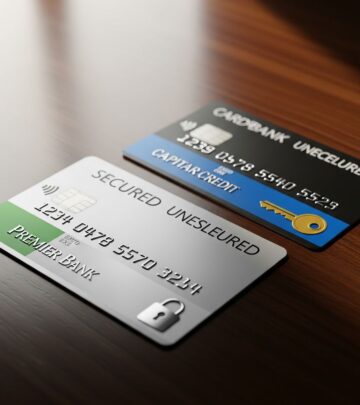
Secured vs. Unsecured Loans: Key Differences
Understand the critical differences between secured and unsecured loans to make informed borrowing decisions.
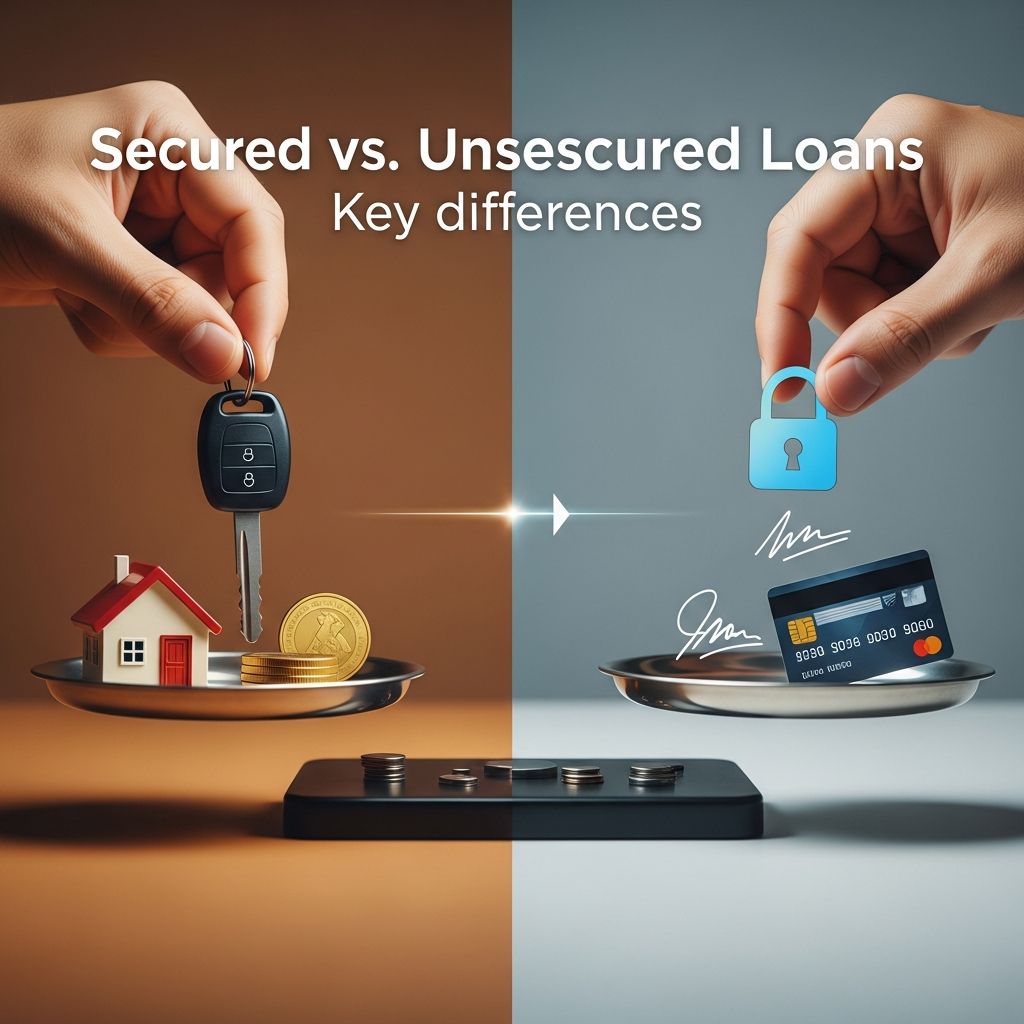
Secured vs. Unsecured Loans: Understanding the Key Differences
When it comes to borrowing money, understanding the distinction between secured and unsecured loans is fundamental to making informed financial decisions. These two primary categories of loans differ significantly in their structure, requirements, risks, and benefits. Whether you are a first-time borrower or an experienced consumer, comprehending these differences can help you select the loan option that best aligns with your financial circumstances and objectives.
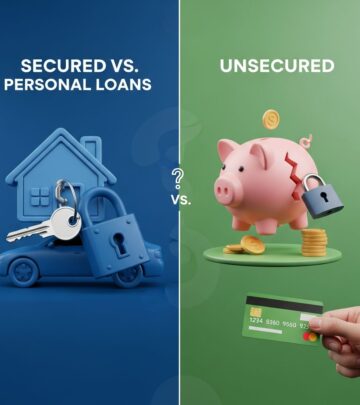
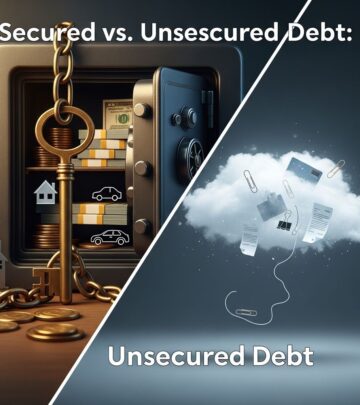
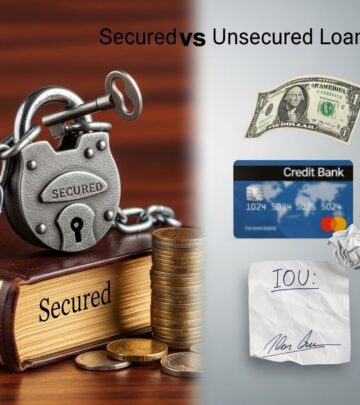
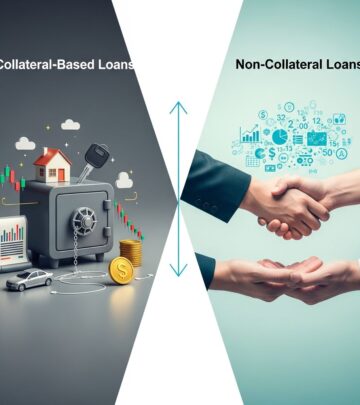
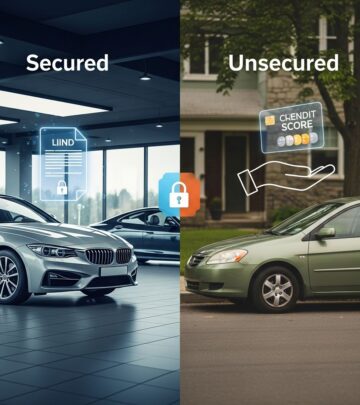
A secured loan is backed by collateral—an asset of value that the lender can seize if you fail to repay the borrowed amount. In contrast, an unsecured loan relies solely on your creditworthiness and promise to repay, with no collateral required. Each type presents distinct advantages and disadvantages that borrowers should carefully weigh before committing to any agreement.
What Is a Secured Loan?
A secured loan is a type of credit arrangement in which the borrower pledges an asset as collateral to secure the loan. This collateral serves as a guarantee to the lender that they will recover their investment if the borrower defaults on the loan. Common forms of collateral include real estate, automobiles, savings accounts, certificates of deposit (CDs), or other valuable possessions.
The most familiar example of a secured loan is a mortgage, where the house itself serves as collateral. Similarly, an auto loan is secured by the vehicle being purchased. If the borrower fails to make payments, the lender has the legal right to repossess the collateral and sell it to recover the outstanding debt.
Key Characteristics of Secured Loans
- Lower Interest Rates: Because the lender has collateral to fall back on, secured loans typically offer significantly lower interest rates compared to unsecured alternatives. This reduced risk for the lender translates to savings for the borrower.
- Higher Loan Amounts: Secured loans often allow borrowers to access larger sums of money, as the collateral provides assurance to the lender.
- Easier Approval: Even borrowers with poor credit scores may qualify for secured loans, provided they have valuable collateral to pledge.
- Longer Repayment Terms: Secured loans frequently feature extended repayment periods, making monthly payments more manageable.
- Risk of Asset Loss: The primary drawback is the risk of losing your collateral if you cannot meet your payment obligations.
What Is an Unsecured Loan?
An unsecured loan is a type of credit that does not require any collateral. Instead, the lender extends credit based entirely on your creditworthiness, credit history, income level, and ability to repay. Common examples of unsecured loans include personal loans, credit cards, student loans, and medical loans. Because there is no collateral backing the loan, the lender bears a higher degree of risk.
Lenders mitigate this increased risk by conducting thorough credit checks, requiring proof of income, and charging higher interest rates to offset their exposure. The approval process for unsecured loans is typically more stringent, and qualification often depends on maintaining a good credit score and demonstrating stable financial circumstances.
Key Characteristics of Unsecured Loans
- Higher Interest Rates: Without collateral to provide security, unsecured loans carry higher interest rates to compensate lenders for their increased risk.
- Stricter Credit Requirements: Lenders typically require a good to excellent credit score to approve unsecured loans.
- Lower Loan Amounts: Unsecured loans generally provide smaller maximum borrowing limits compared to secured alternatives.
- Faster Funding: Once approved, unsecured loans can often be funded more quickly than secured loans.
- No Asset Risk: Borrowers maintain full ownership of their assets; there is no risk of losing collateral due to loan default.
- Greater Flexibility: Unsecured loans typically allow borrowers to use the funds for almost any purpose without lender restrictions.
Key Differences Between Secured and Unsecured Loans
Interest Rates
One of the most significant differences between these two loan types is the interest rate charged. Secured loans generally offer lower interest rates because the collateral reduces the lender’s risk. If a borrower defaults, the lender can repossess and sell the collateral to recover losses. Unsecured loans, lacking this protection, command higher interest rates to compensate for the increased risk lenders assume. This difference can amount to several percentage points, substantially impacting the total cost of borrowing.
Approval Requirements
Secured loans are easier to obtain, particularly for individuals with less-than-perfect credit histories. Since collateral provides assurance to the lender, credit score requirements are typically more lenient. Unsecured loans demand stricter approval criteria, including a strong credit history, stable income documentation, and often a higher credit score. Lenders evaluate the borrower’s creditworthiness more thoroughly because they lack the safety net of collateral.
Borrowing Limits
The amount you can borrow typically differs between these loan types. Secured loans allow larger borrowing amounts because the collateral provides a concrete asset backing the debt. Unsecured loans generally impose lower maximum borrowing limits, as lenders have no tangible security beyond their faith in the borrower’s repayment ability.
Risk Factors
The risk profile for each loan type differs dramatically. With a secured loan, the primary risk is asset forfeiture. Failure to repay means losing your collateral, whether that is your home, car, or other valuable possessions. For unsecured loans, the risk is primarily financial through credit score damage and potential legal action, but there is no risk of losing specific assets tied to the loan.
Types of Secured Loans
Various types of secured loans are available to suit different financial needs and circumstances.
Common Secured Loan Products
- Home Mortgages: Loans for purchasing real estate, secured by the property itself.
- Auto Loans: Financing for vehicle purchases, secured by the automobile.
- Home Equity Loans: Loans against the equity built in your home, secured by the property.
- Secured Personal Loans: Personal loans backed by savings accounts, CDs, or other assets.
- Boat and RV Loans: Financing for recreational vehicles secured by the vehicle itself.
Types of Unsecured Loans
Unsecured lending comes in many forms, each serving different purposes and borrower needs.
Common Unsecured Loan Products
- Personal Loans: General-purpose loans used for various expenses, typically ranging from $1,000 to $100,000.
- Credit Cards: Revolving lines of unsecured credit allowing repeated borrowing up to a set limit.
- Student Loans: Educational financing available through federal and private sources.
- Medical Loans: Specialized financing for healthcare expenses.
- Debt Consolidation Loans: Unsecured loans used to combine multiple debts into a single payment.
- Payday Loans: Short-term, high-interest unsecured loans typically due on the next payday.
Choosing Between Secured and Unsecured Loans
When to Consider a Secured Loan
A secured loan may be the better choice if you have valuable collateral available and want to benefit from lower interest rates and larger borrowing amounts. If your credit score is not ideal, a secured loan provides an accessible borrowing option. Secured loans are also appropriate when you are financing a specific asset, such as a home or vehicle.
When to Consider an Unsecured Loan
Choose an unsecured loan if you lack assets to pledge as collateral or prefer not to risk your possessions. If you need funds quickly and have good credit, unsecured personal loans can provide rapid access to capital. Unsecured loans offer flexibility in how you use the borrowed funds and eliminate the anxiety of potential asset loss.
Factors to Evaluate
- Your credit score and credit history
- Available collateral and its value
- The loan amount you need to borrow
- Your income stability and repayment capacity
- The purpose of the loan
- Current interest rate environments and market conditions
- Your comfort level with the risk of losing collateral
Advantages and Disadvantages Summary
| Aspect | Secured Loans | Unsecured Loans |
|---|---|---|
| Interest Rates | Lower rates | Higher rates |
| Credit Requirements | More flexible | Stricter requirements |
| Loan Amount | Typically larger | Generally smaller |
| Approval Speed | May take longer | Often faster |
| Asset Risk | High risk of loss | No asset risk |
| Ease of Approval | Easier with collateral | Harder for poor credit |
How to Improve Your Loan Options
Building Your Credit Score
Improving your credit score expands your loan options and reduces the interest rates you will qualify for. Pay all bills on time, reduce credit card balances, and avoid opening unnecessary new accounts. A higher credit score makes you eligible for better unsecured loan terms and may help you secure secured loans with even more favorable rates.
Increasing Your Income Verification
Demonstrating stable, verifiable income strengthens your loan application for unsecured loans. Maintain steady employment, keep pay stubs organized, and prepare tax returns showing your income history. Self-employed individuals should maintain detailed financial records and accounting documentation.
Accumulating Valuable Collateral
Building assets provides options for secured lending. Homeownership offers substantial equity that can be leveraged for home equity loans. Saving money and maintaining accounts with significant balances makes you eligible for secured personal loans backed by cash deposits.
Frequently Asked Questions
Q: Can I get a secured loan with bad credit?
A: Yes, secured loans are more accessible with poor credit because the collateral reduces the lender’s risk. However, you may still face higher interest rates than borrowers with excellent credit, even with collateral.
Q: What happens if I default on a secured loan?
A: If you default on a secured loan, the lender can repossess and sell your collateral to recover the outstanding debt. This can result in losing your home, car, or other pledged assets.
Q: Are unsecured personal loans always more expensive?
A: Unsecured loans typically carry higher interest rates due to increased lender risk. However, if you have excellent credit, you may qualify for competitive rates on unsecured loans.
Q: Can I switch from an unsecured to a secured loan?
A: Yes, if you acquire collateral or decide to pledge existing assets, you can apply for a secured loan, which typically offers better rates than your current unsecured option.
Q: How long does approval take for each type?
A: Unsecured personal loans can be approved within days, while secured loans may take longer due to collateral appraisal and verification processes.
Q: Can I use a secured loan for any purpose?
A: Most secured loans allow broad use of funds, though some lenders may restrict usage. Home equity loans, for instance, may have restrictions on non-home related expenses in some cases.
References
- Consumer Financial Protection Bureau: Secured Loans Vs. Unsecured Loans — U.S. Consumer Financial Protection Bureau. 2024. https://www.consumerfinance.gov/
- Federal Reserve: Consumer Credit — Board of Governors of the Federal Reserve System. 2024. https://www.federalreserve.gov/
- Experian: What Is a Secured Loan? — Experian Consumer Services. 2024. https://www.experian.com/
- Department of Education: Student Loan Resources — U.S. Department of Education. 2024. https://www2.ed.gov/
- Federal Trade Commission: Borrowing Wisely — Federal Trade Commission. 2024. https://www.ftc.gov/
Similar Articles








Read full bio of medha deb