Secured Vs Unsecured Loans: Complete Guide To Choosing
Understand the key differences between secured and unsecured loans to make the best borrowing decision for your financial needs.
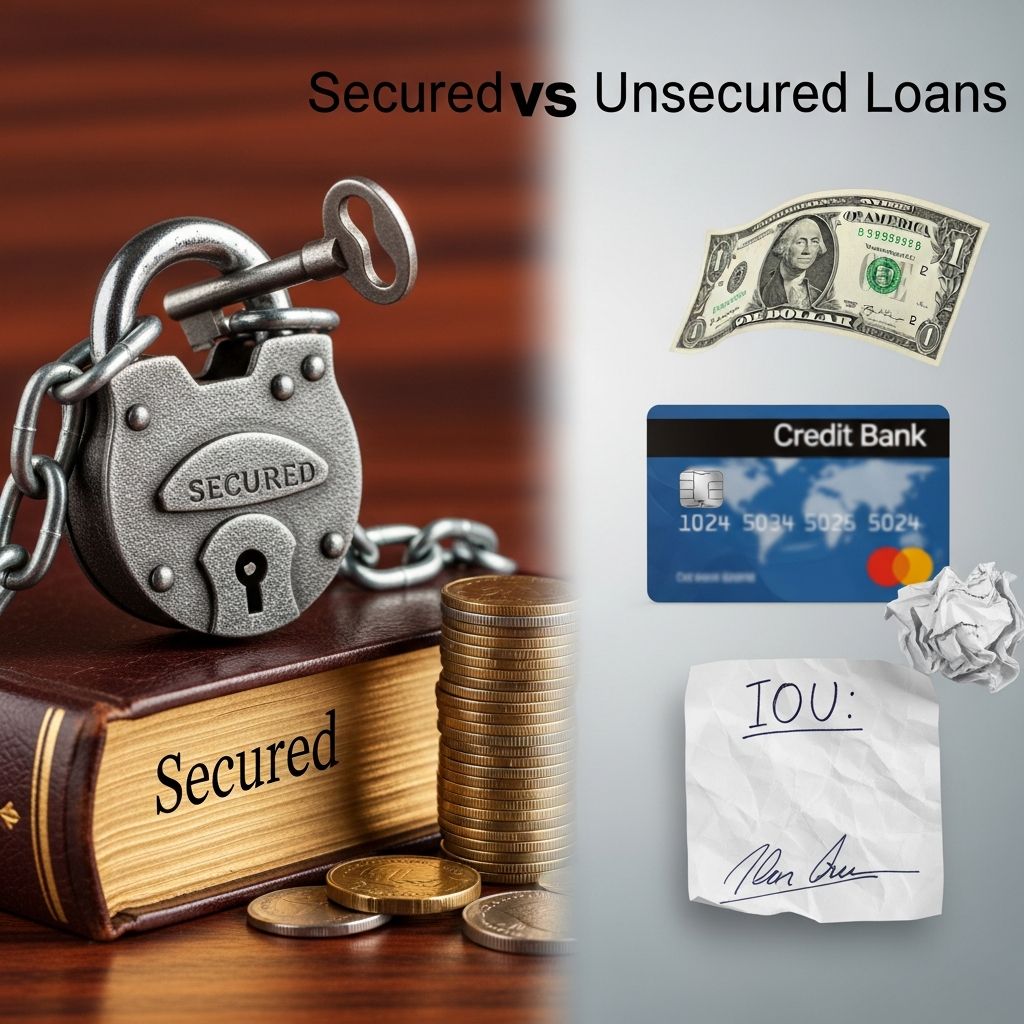
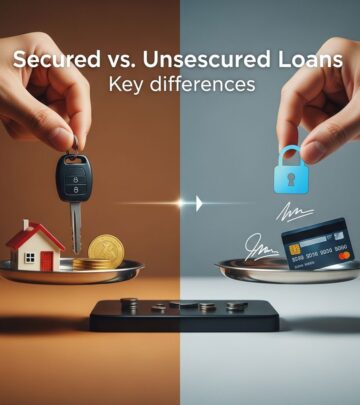
Personal loans come in two primary forms: secured and unsecured. Secured loans require collateral, such as a vehicle or savings account, which the lender can seize if you default. Unsecured loans, the more common type, rely solely on your creditworthiness without collateral.
What is a Secured Loan?
A secured loan is backed by an asset you own, known as collateral. This reduces the lender’s risk, often leading to better terms. Common collateral includes cars, boats, savings accounts, or CDs. If payments are missed, the lender can repossess the asset to recover losses.
Secured loans are ideal for borrowers needing larger sums or those with lower credit scores, as the collateral offsets risk. Approval processes may involve appraising the asset, which can extend funding time to a week or more.
What is an Unsecured Loan?
An unsecured loan does not require collateral. Lenders approve based on credit score, income, debt-to-income ratio, and financial history. These loans are faster to fund, often within 1-2 days, and flexible for uses like debt consolidation or emergencies.
However, without collateral, lenders face higher risk, resulting in stricter qualifications. Borrowers with excellent credit (mid-600s+) secure the best rates, while those with poor credit may face denials or high costs.
Key Differences Between Secured and Unsecured Loans
Secured and unsecured loans differ in collateral, rates, amounts, qualifications, and fund usage. Here’s a detailed comparison:
| Feature | Secured Loan | Unsecured Loan |
|---|---|---|
| Collateral Required? | Yes (e.g., vehicle, savings) | No |
| Interest Rates | Lower (often 20% below unsecured) | Higher (7%-36%, avg. over 12%) |
| Loan Amounts | Higher (up to collateral value) | Lower (up to $100,000 for top credit) |
| Qualification | Less strict; lower credit OK | Strict; good credit/income needed |
| Funding Speed | Slower (appraisal needed) | Faster (1-2 days) |
| Risk to Borrower | Asset loss on default | Credit damage; possible lawsuit |
Interest Rates
Secured loans typically offer lower APRs because collateral minimizes lender risk. For instance, lenders like Best Egg report secured rates averaging 20% lower than unsecured. Unsecured rates range from 7% to 36%, with the best for scores 670+.
Borrowing Limits
Secured loans allow borrowing up to a percentage of collateral value, enabling larger sums. Unsecured caps at $100,000 but require strong finances.
Qualification Requirements
Unsecured loans demand high credit (670+ FICO), stable income, and low debt-to-income ratios. Secured options are more accessible for fair/poor credit, as collateral compensates.
Use of Funds
Unsecured loans have few restrictions. Secured may limit to specific purposes or asset-related uses.
Pros and Cons of Secured Loans
Pros
- Lower interest rates due to reduced lender risk.
- Higher loan amounts based on collateral value.
- Easier approval for lower credit scores.
- Potentially longer repayment terms.
Cons
- Risk of losing collateral on default.
- Longer approval with asset verification.
- Possible usage restrictions.
Pros and Cons of Unsecured Loans
Pros
- No asset risk; only credit impact on default.
- Quick funding and approval.
- Flexible use of funds.
Cons
- Higher interest rates.
- Stricter credit/income requirements.
- Lower borrowing limits.
- Added fees possible.
Should You Get a Secured or Unsecured Loan?
Choose secured if you need large amounts, have assets to pledge, and are confident in repayment—benefiting from lower rates. Opt for unsecured if protecting assets is priority, you have strong credit for competitive rates, or need quick cash for smaller needs.
Assess your situation: poor credit favors secured; excellent credit makes unsecured viable despite higher rates. Always calculate total costs using APR.
Frequently Asked Questions (FAQs)
What is the main difference between secured and unsecured loans?
Secured loans require collateral; unsecured do not, affecting rates and approval.
Are secured loans cheaper?
Yes, typically lower rates due to collateral reducing risk.
Can I get an unsecured loan with bad credit?
Possible but harder; expect high rates or denials.
How fast are unsecured loans funded?
Often 1-2 days after approval.
What happens if I default on a secured loan?
Lender repossesses collateral.
Do banks offer both types?
Yes, from banks, credit unions, online lenders.
This comprehensive guide equips you to compare secured vs unsecured loans effectively. Borrow responsibly by reviewing terms and affordability.
References
- Secured vs. Unsecured Personal Loans: Key Differences — Bankrate. 2024-01-15. https://www.bankrate.com/loans/personal-loans/secured-vs-unsecured-personal-loans/
- Unsecured vs Secured Loans: What’s the Difference? — TD Bank. 2023-11-20. https://www.td.com/us/en/personal-banking/learning/unsecured-vs-secured-loan
- Comparing Secured vs Unsecured Loans — Armed Forces Bank. 2024-05-10. https://www.afbank.com/article/comparing-secured-loans-vs-unsecured-loans
- Secured vs. Unsecured Loan: What’s the Difference? — NerdWallet. 2024-09-05. https://www.nerdwallet.com/personal-loans/learn/secured-vs-unsecured-loans
- Secured vs. Unsecured Loans: What Borrowers Need to Know — PNC Bank. 2023-08-12. https://www.pnc.com/insights/personal-finance/borrow/secured-vs-unsecured-loans.html
- Secured vs. Unsecured Lending — Nebraska Bank. 2024-02-28. https://www.ne.bank/secured-vs-unsecured-lending
- Secured vs. Unsecured Loans: It’s All About Collateral — Truist. 2023-12-01. https://www.truist.com/money-mindset/principles/outsmarting-debt/secured-vs-unsecured-loans
Similar Articles








Read full bio of medha deb