Secured vs. Unsecured Debt: Key Differences Explained
Understand the critical differences between secured and unsecured debt and their impact on your finances.
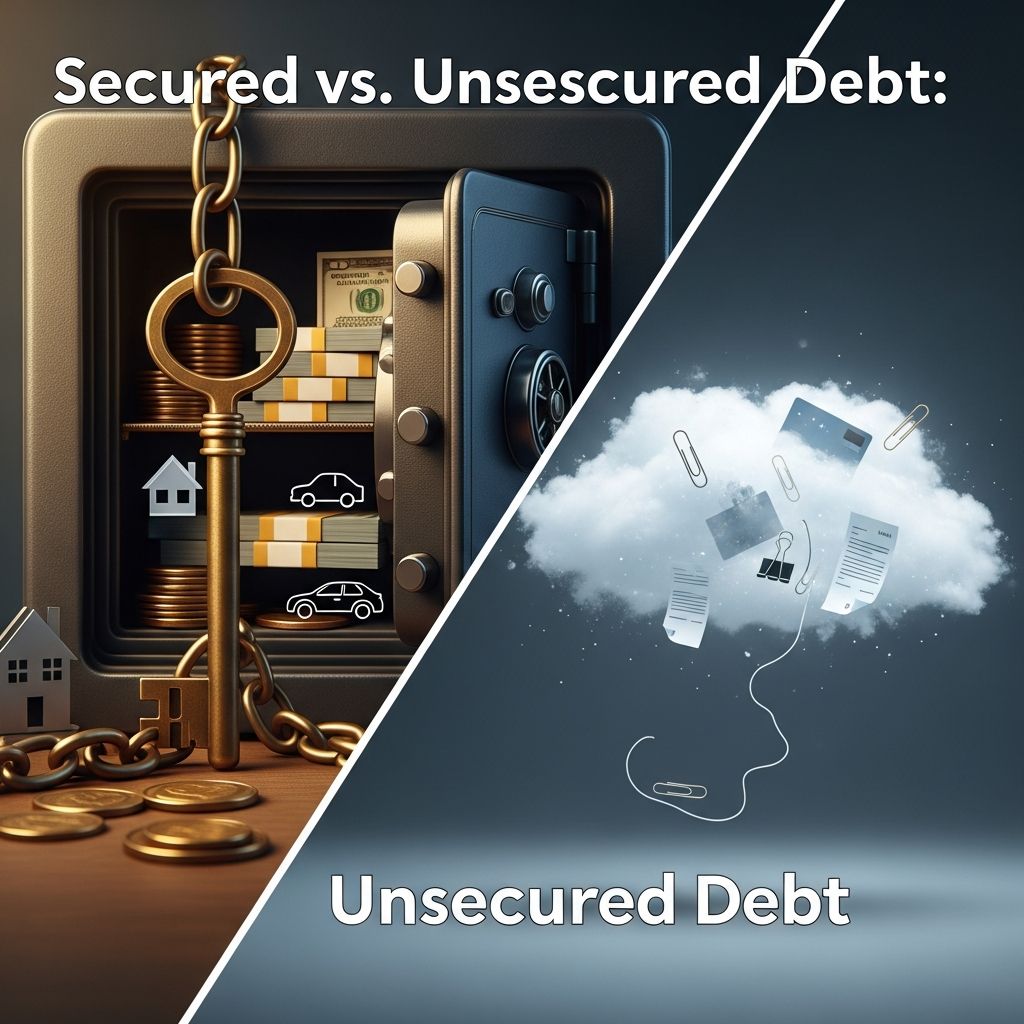
What Is the Difference Between Secured and Unsecured Debts?
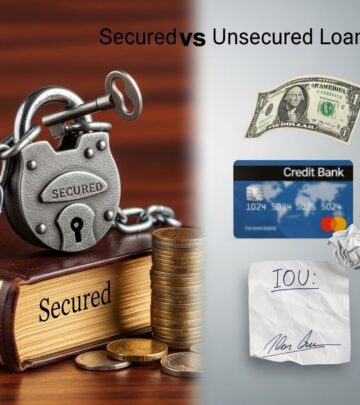
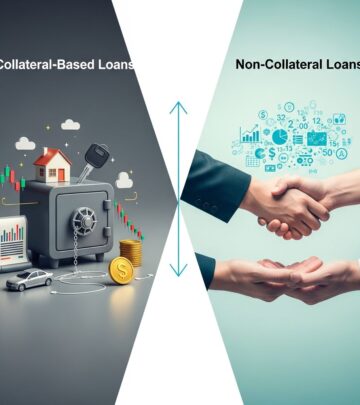
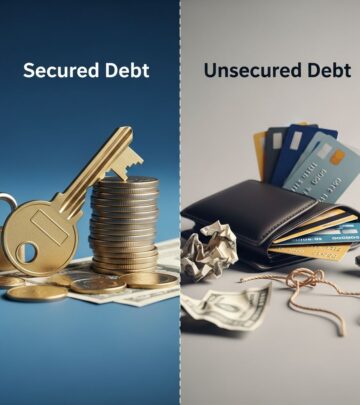
Understanding the distinction between secured and unsecured debt is fundamental to making informed financial decisions. Debt is money that one party borrows from another with an agreement to repay the principal amount plus interest over a specified period. However, not all debt is structured the same way. The primary difference lies in whether the debt is backed by collateral—an asset the lender can claim if the borrower fails to repay the loan. This distinction significantly affects interest rates, approval odds, borrowing limits, and overall financial risk for both borrowers and lenders.
Whether you are contemplating taking out a mortgage, car loan, credit card, or personal loan, understanding these two debt categories can help you choose the right financial products for your situation and potentially save considerable money in interest and fees over time.
Understanding Secured Debt
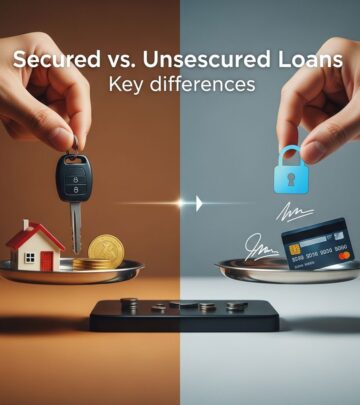
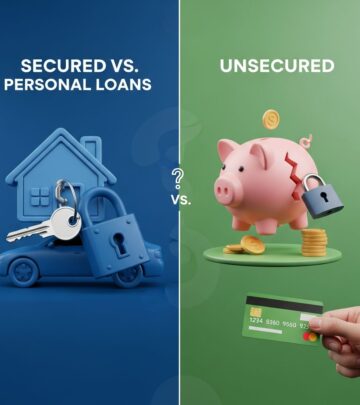
Secured debt is any loan that is backed by collateral—a valuable asset that the lender can seize and sell if the borrower defaults on the loan. This collateral serves as insurance for the lender, reducing the lender’s risk and typically resulting in lower interest rates and more favorable terms for borrowers with decent credit.
Examples of Secured Debt
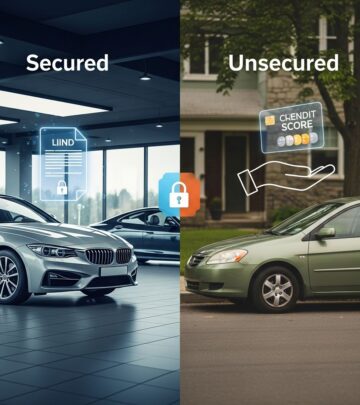
- Mortgages: Home loans are secured by the property itself. If the borrower fails to make payments, the lender can foreclose on the home and sell it to recover the loan balance.
- Auto Loans: Vehicle loans are secured by the automobile. If payments are missed, the lender can repossess the vehicle.
- Home Equity Loans: These loans are secured by the equity in your home and allow homeowners to borrow against the value of their property.
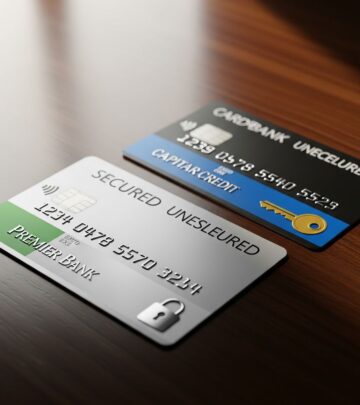
- Secured Credit Cards: These require a cash deposit as collateral, typically equal to the credit limit. This deposit serves as security for the card issuer.
- Secured Personal Loans: Some lenders offer personal loans secured by assets like savings accounts, vehicles, or jewelry.
Key Characteristics of Secured Debt
Secured debt typically features lower interest rates compared to unsecured alternatives because the lender has recourse if default occurs. The collateral reduces the lender’s risk exposure. Additionally, borrowers may qualify for higher loan amounts since the lender has security backing the debt. However, the drawback is that failure to repay puts the borrower’s asset at risk of repossession or foreclosure.
Understanding Unsecured Debt
Unsecured debt is a loan that is not backed by any collateral. The lender relies solely on the borrower’s creditworthiness, income verification, and promise to repay. Because the lender has no asset to claim in case of default, unsecured debt carries significantly higher risk for the lender and typically results in higher interest rates for the borrower.
Examples of Unsecured Debt
- Credit Cards: Standard credit cards are unsecured, with approval based on credit history and income. Interest rates tend to be quite high.
- Personal Loans: Unsecured personal loans from banks or online lenders are based on creditworthiness rather than collateral.
- Student Loans: Most federal and private student loans are unsecured, though some private loans may require a cosigner.
- Medical Bills: Outstanding medical debt is typically unsecured.
- Payday Loans: These short-term, high-interest loans are generally unsecured, though some may require a check as collateral.
Key Characteristics of Unsecured Debt
Unsecured debt generally features higher interest rates to compensate for the increased risk to lenders. Approval is more dependent on credit scores and income verification. Unsecured debt typically allows for smaller loan amounts compared to secured alternatives. The advantage for borrowers is that no personal assets are at risk if they default, though negative consequences include damage to credit scores and potential legal action by the lender.
Key Differences Between Secured and Unsecured Debt
Comparison Table
| Feature | Secured Debt | Unsecured Debt |
|---|---|---|
| Collateral Required | Yes | No |
| Interest Rates | Lower (typically 3-8%) | Higher (typically 8-29%+) |
| Approval Difficulty | Easier for those with lower credit scores | More difficult; requires good credit |
| Loan Amount | Typically higher | Typically lower |
| Risk to Borrower | Asset can be seized | No asset at risk, but credit damage |
| Risk to Lender | Lower; backed by collateral | Higher; unsecured |
Interest Rates and Borrowing Costs
One of the most significant differences between secured and unsecured debt is the interest rate. Because secured loans are backed by collateral, lenders offer lower interest rates. For example, mortgage rates typically range from 3% to 8%, while credit card rates commonly exceed 15% to 25%. This substantial difference in borrowing costs means that over the life of a loan, a secured borrower may save thousands of dollars in interest compared to an unsecured borrower.
Approval and Credit Requirements
Securing approval for a secured loan is generally easier than for unsecured debt because the lender’s risk is mitigated by the collateral. Borrowers with lower credit scores may qualify for secured loans, particularly if they offer valuable collateral. Conversely, unsecured loans typically require good to excellent credit scores because lenders have no recourse other than legal action if the borrower defaults. Financial institutions conduct more rigorous credit checks and income verification for unsecured loans.
Loan Amounts and Borrowing Limits
Lenders typically offer higher loan amounts for secured debt because the collateral reduces their risk. A homeowner can borrow substantially more for a mortgage than they could for an unsecured personal loan due to the home’s value serving as security. This allows borrowers to access larger amounts of capital for major purchases or investments. Conversely, unsecured debt limits are usually lower, with credit card limits typically ranging from a few hundred to several thousand dollars depending on creditworthiness.
Risk Implications for Borrowers
The primary risk for secured debt borrowers is the possibility of losing their collateral. If a homeowner stops making mortgage payments, foreclosure proceedings can result in losing their home. If a car owner defaults on an auto loan, the vehicle can be repossessed. These tangible consequences make defaulting on secured debt particularly serious. Unsecured debt, while not putting assets at risk, still has serious consequences including severe credit score damage, potential wage garnishment, and civil lawsuits.
When to Choose Secured vs. Unsecured Debt
Choose Secured Debt When:
- You need to borrow a large amount of money for a major purchase like a home or vehicle
- You want to minimize interest costs over the loan term
- You have valuable assets you can use as collateral
- Your credit score is fair to good but not excellent
- You plan to keep the collateral for an extended period
Choose Unsecured Debt When:
- You need a smaller amount of money for short-term needs
- You don’t want to risk losing a valuable asset
- You have excellent credit and can qualify for favorable rates
- You need quick access to funds without extensive collateral evaluation
- You prefer the flexibility of debt not tied to specific assets
The Impact on Your Credit Score
Both secured and unsecured debt can affect your credit score, but in different ways. Making on-time payments on either type of debt helps build positive credit history. However, defaulting on secured debt may result in foreclosure or repossession, which severely damages credit scores, while defaulting on unsecured debt typically results in charge-offs and collections, also significantly harming creditworthiness. Both scenarios can lower credit scores by 100+ points and remain on credit reports for seven years.
Risk Considerations for Lenders
Lenders view secured and unsecured debt from entirely different risk perspectives. With secured debt, the lender’s risk is substantially reduced because they can liquidate collateral to recover losses. With unsecured debt, lenders face higher default risk and must rely on credit scoring models, income verification, and the borrower’s willingness to repay. This is why lenders charge significantly higher interest rates for unsecured debt and may require personal guarantees or cosigners for large unsecured loans.
Frequently Asked Questions
Q: Can a secured loan be converted to unsecured debt?
A: In most cases, once a loan is originated as secured, it remains secured. However, some lenders may offer refinancing options. For example, once you have built significant equity in your home, you might refinance with a different lender, though it would still be secured by the property. Some lenders offer unsecured lines of credit to borrowers with excellent payment history on secured accounts.
Q: Is a personal line of credit secured or unsecured?
A: Most personal lines of credit are unsecured, meaning they are not backed by collateral. However, some banks offer secured lines of credit backed by savings accounts or other assets. The terms and rates depend on the specific product and lender.
Q: What happens if I default on a secured loan?
A: The lender can seize and sell the collateral to recover the loan balance. For mortgages, this results in foreclosure. For auto loans, the vehicle is repossessed. You may still owe a deficiency if the sale proceeds don’t cover the full loan balance, and your credit will be severely damaged.
Q: Can I improve my chances of unsecured loan approval?
A: Yes. Improve your credit score, reduce existing debt, maintain stable income, and provide evidence of reliable payment history. Some lenders also consider adding a creditworthy cosigner to strengthen your application.
Q: Are federal student loans secured or unsecured?
A: Federal student loans are unsecured. They are not backed by collateral but are guaranteed by the federal government. Private student loans vary; some are unsecured while others may require a cosigner.
Q: How much lower are secured debt interest rates compared to unsecured?
A: The difference varies based on creditworthiness and market conditions. Generally, secured rates are 5-20 percentage points lower than unsecured rates. For example, a borrower with average credit might receive a mortgage at 6% but face credit card rates of 18-24%.
Conclusion
The distinction between secured and unsecured debt is critical to understanding your borrowing options and managing personal finances effectively. Secured debt, backed by collateral, typically offers lower interest rates and higher borrowing limits, making it ideal for major purchases like homes and vehicles. However, it puts valuable assets at risk if you default. Unsecured debt requires no collateral but comes with significantly higher interest rates and stricter credit requirements, making it suitable for smaller, shorter-term borrowing needs. By understanding these differences, you can make informed decisions about which type of debt aligns with your financial goals, risk tolerance, and creditworthiness. Always carefully review loan terms, compare rates from multiple lenders, and borrow only what you can realistically repay.
References
- Consumer Finance Protection Bureau – Borrowing: What You Need to Know — U.S. Consumer Finance Protection Bureau. 2024. https://www.consumerfinance.gov/
- Federal Reserve – Understanding Credit — Board of Governors of the Federal Reserve System. 2024. https://www.federalreserve.gov/
- Fair Credit Reporting Act – Consumer Rights and Responsibilities — Federal Trade Commission. 2024. https://www.ftc.gov/
- Understanding Secured and Unsecured Loans — U.S. Securities and Exchange Commission. 2024. https://www.sec.gov/
- Credit Scores and Reports Guide — Consumer Finance Protection Bureau. 2024. https://www.consumerfinance.gov/
Similar Articles








Read full bio of Sneha Tete