Secured vs Unsecured Credit Cards: Key Differences
Understand the crucial differences between secured and unsecured credit cards to build your credit wisely.
Understanding Secured vs Unsecured Credit Cards
When you’re searching for a credit card, you’ll quickly discover that not all cards are created equal. Two primary categories exist in the credit card market: secured and unsecured credit cards. Understanding the fundamental differences between these two types is essential for making an informed decision about which product aligns best with your financial situation and credit-building goals.
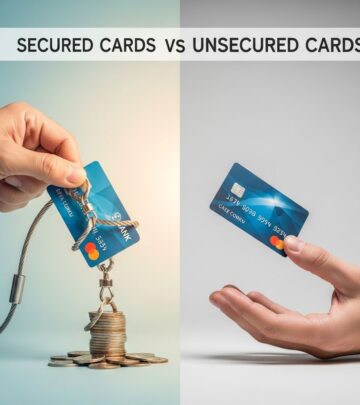
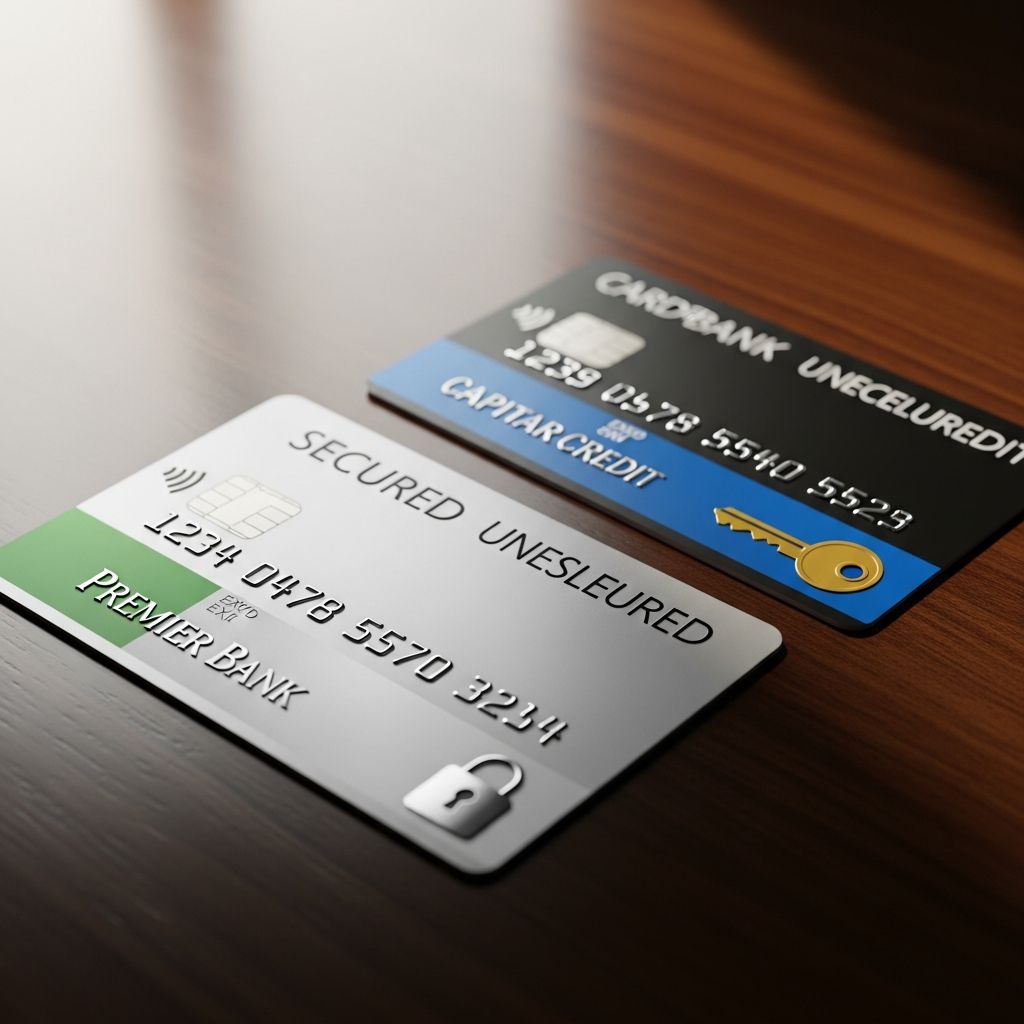
A secured credit card is a type of credit card that requires a cash deposit as collateral. This deposit is normally close to or the same as the credit limit you’ll receive. For example, if you apply for a secured credit card and put down a $200 deposit as collateral, you’ll typically qualify for a $200 line of credit as a result. This type of credit card is typically for people looking to build or rebuild their credit.
In contrast, unsecured credit cards are the most common type of credit card available in the market today. Most credit cards are unsecured and don’t require a security deposit as collateral. Unsecured credit cards tend to come with better perks and rewards, lower fees and lower interest rates. Generally speaking, unsecured credit cards are a better deal for consumers. However, people with poor credit might not qualify for an unsecured card.
Key Differences at a Glance
To help you quickly understand the main distinctions between these two credit card types, consider the following comparison:
| Feature | Unsecured Credit Cards | Secured Credit Cards |
|---|---|---|
| Deposit Required? | No | Yes |
| Minimum Recommended Credit Score to Qualify | Usually 670 or higher (though there are unsecured cards for people with fair or poor credit) | Usually available with no credit history or scores below 669 |
| Average APR | Usually over 20 percent | Usually over 20 percent, and typically higher than unsecured cards |
| Annual Fee Charged? | Sometimes | Sometimes |
| Helps You Build Credit by Reporting to Credit Bureaus | Yes | Yes |
| Rewards Available? | Yes, with many credit cards | Sometimes |
Who Should Consider a Secured Credit Card?
Secured credit cards are designed with specific individuals in mind. If you find yourself in one of the following situations, a secured credit card may be the right choice for you:
People with Fair or Bad Credit: If your credit score is in the fair or bad range (669 and below), or you don’t have an established credit history, finding a credit card issuer who will approve you for one of its products can feel impossible. Fortunately, a secured credit card offers a solution. With a secured credit card, consumers with fair to bad credit or no credit history have the opportunity to build a positive credit history and prove their creditworthiness over time.
First-Time Credit Users: Those who have never had a credit account before can use a secured card to establish a credit profile. This demonstrates to lenders that you can responsibly manage credit obligations.
Individuals Rebuilding Credit: If you’ve experienced past credit challenges and want to demonstrate improved financial behavior, a secured card provides a pathway to rehabilitation.
Who Should Consider an Unsecured Credit Card?
Unsecured credit cards are better suited for individuals who meet the following criteria:
Good to Excellent Credit Score: Most unsecured credit cards require a credit score in the good to excellent range (670-850). This range is where you’ll become eligible for many different kinds of rewards and 0 percent intro APR cards. You can also find some cards that will accept a score in the fair to good range (580-669).
Established Credit History: If you have a demonstrated track record of responsible credit management, lenders are more willing to extend credit to you without requiring a security deposit.
Desire for Premium Rewards: Those who want to maximize earning potential through rewards programs, cash back offers, and travel benefits should prioritize unsecured cards, which typically offer superior reward structures.
Credit Score Requirements Explained
Your credit score plays a crucial role in determining which type of card you qualify for. Here’s what you need to know:
For Secured Cards: These cards are typically available to people with no credit history or credit scores below 669. Some secured cards may even be available with scores as low as 300-670, making them the most accessible option for those with minimal or damaged credit history.
For Unsecured Cards: Standard unsecured cards typically require a credit score of 670 or higher. However, some specialty unsecured cards designed for bad credit are available for those with scores as low as 580-740, depending on the specific card issuer.
It’s worth noting that even if you have a 500 credit score, you can get an unsecured credit card. Just know that these cards tend to have annual or monthly fees and can end up being more expensive than secured credit cards.
Understanding Interest Rates and APR
Both secured and unsecured credit cards typically feature interest rates that exceed 20 percent annually. However, the specific APR you receive depends on your creditworthiness and the card issuer’s assessment of your risk level.
For secured cards, APRs typically range from 27-29 percent variable, which is often higher than comparable unsecured options. This higher rate reflects the additional risk lenders perceive when working with individuals who have poor credit or no credit history.
For unsecured cards marketed to people with bad credit, rates can be extremely high—sometimes reaching close to 35 percent. This is why careful comparison shopping is essential when you have less-than-perfect credit.
Annual Fees and Associated Costs
Both types of credit cards may charge annual fees, though many issuers now offer no-annual-fee options, particularly for secured cards.
Secured Card Fees: Many secured cards feature no annual fees, though some charge modest amounts (typically around $49). A significant advantage is that when you close or upgrade a secured credit card account in good standing, you’ll get your security deposit back, making it truly refundable.
Unsecured Card Fees: Unsecured cards for bad credit commonly charge annual fees that can be $99 or more, and no-annual-fee options are harder to find. These permanent fees are not refundable, making them a genuine ongoing cost to cardholders.
In some cases, a secured card may actually be a cheaper option than an unsecured card that usually charges fees you won’t get back. This is an important consideration when comparing your options.
Approval Odds and Accessibility
One of the most compelling reasons to consider a secured credit card is the significantly higher approval rate. Research shows that individuals are 46 percent more likely to get approved for a secured credit card than they are to get approved for an unsecured card for bad credit.
While secured credit cards usually require a security deposit to back your credit limit, this extra requirement makes approval far more likely—and it’s good to remember that the deposit is refundable. As long as you can afford to put down at least $200 for the security deposit, you may have better chances of getting approved for a secured card than an unsecured card.
This enhanced accessibility makes secured cards particularly valuable for those who have been repeatedly denied credit or who are trying to enter the credit market for the first time.
Rewards Programs and Benefits
While unsecured credit cards typically offer more extensive rewards programs, the secured card landscape is improving. Some quality secured credit cards now offer rewards, no annual fees, and paths to upgrade to an unsecured credit card once your score has improved.
Unsecured Cards: These typically come with better perks and rewards options, including cash back, travel rewards, points programs, and purchase protections.
Secured Cards: Rewards on secured cards are less common but increasingly available. When selecting a secured card for bad credit, consider the Discover it® Secured Credit Card or Capital One Quicksilver Secured Cash Rewards Credit Card if you want a card that rewards you for shopping.
Building Your Credit History
Both secured and unsecured credit cards help you build credit by reporting to credit bureaus. The key to successfully building credit with either type of card is using it responsibly:
– Make payments on time, every time
– Keep your credit utilization low (use less than 30% of your available credit)
– Avoid opening too many new accounts in a short period
– Monitor your credit reports for accuracy
– Gradually transition to unsecured cards as your score improves
Credit builders often start with a secured credit card and then graduate to an unsecured credit card with better rewards rates and lower fees as their scores improve.
When to Choose a Secured Card Over Unsecured
Here are specific situations where a secured card makes more financial sense than an unsecured alternative:
– You have the funds to put down a sizable security deposit to secure a higher credit limit.
– The annual fees on the unsecured cards you applied for are greater than or similar to the cost of a security deposit.
– The unsecured cards’ rates are near 35 percent and have confusing terms and conditions.
Although secured credit cards require cash deposits, they typically don’t have annual fees. So, a secured credit card for bad credit may still be cheaper than an unsecured one.
Making Your Decision
So, should you get a secured card or an unsecured card? The answer generally depends on your credit score and credit history. If you can qualify for an unsecured card, there’s generally no reason to open a secured card that may have fewer rewards, higher rates, and a security deposit that will lock up your cash for some time.
However, if you have fair to poor credit or no credit history, a secured card often represents your best option for gaining access to credit and beginning or rebuilding your credit profile. The refundable security deposit removes much of the financial risk, and the improved approval odds mean you’re far more likely to successfully obtain the card.
Moving Forward
The best unsecured credit cards for bad credit let you build credit for a low or no fee, which should be your main focus when you have bad credit. But a secured card may be a cheaper option than an unsecured card that usually charges fees you won’t get back. Sure, you’ll have to put down a security deposit to open the card, but when your score improves you can get those funds back.
Consider one of the best secured cards before shopping for an unsecured one if you find yourself unable to qualify for mainstream credit products. As your credit score improves over time through responsible card usage, you’ll become eligible for better unsecured cards with superior rewards, lower interest rates, and more favorable terms.
Frequently Asked Questions
Q: What exactly is a secured credit card?
A: A secured credit card is a type of credit card that requires a cash deposit as collateral. The deposit amount is usually equal to the credit limit you receive, making it a straightforward 1:1 ratio. This deposit is held by the card issuer to minimize their risk.
Q: Can I get my security deposit back?
A: Yes. When you close or upgrade a secured credit card account in good standing, you’ll get your security deposit back. This makes secured cards a refundable option, which is not the case with annual fees on unsecured cards.
Q: What credit score do I need for a secured card?
A: Secured cards are typically available with no credit history or credit scores below 669. Some cards may even be available with scores as low as 300 FICO.
Q: Are unsecured cards better than secured cards?
A: Not necessarily. If you qualify for an unsecured card, it may have better rewards and lower fees. However, if you can’t qualify for an unsecured card, a secured card is typically the better option due to higher approval odds and potential cost savings compared to unsecured cards for bad credit.
Q: How much should I put down as a security deposit?
A: Security deposits typically range from $50 to $300. As long as you can afford to put down at least $200 for the security deposit, you may have good chances of getting approved for a secured card.
Q: Can I upgrade from a secured card to an unsecured card?
A: Yes. Credit builders often start with a secured credit card and then graduate to an unsecured credit card with better rewards rates and lower fees as their scores improve.
Q: Do both types of cards help build credit?
A: Yes. Both secured and unsecured credit cards help you build credit by reporting to credit bureaus, as long as you use them responsibly and make timely payments.
Q: What’s the average APR for these cards?
A: Both secured and unsecured cards typically have APRs over 20 percent. Secured cards often have slightly higher rates, typically ranging from 27-29 percent variable, while unsecured cards for bad credit can reach as high as 35 percent.
References
- What’s The Difference Between Secured And Unsecured Credit Cards — Bankrate. 2025. https://www.bankrate.com/credit-cards/building-credit/secured-vs-unsecured-credit-cards/
- The Best Unsecured Cards For Bad Credit — Bankrate. 2025. https://www.bankrate.com/credit-cards/bad-credit/unsecured-bad-credit/
- Best Secured Credit Cards of November 2025 — Bankrate. 2025. https://www.bankrate.com/credit-cards/building-credit/best-secured-cards/
- What Is An Unsecured Credit Card — Bankrate. 2025. https://www.bankrate.com/credit-cards/advice/what-is-an-unsecured-credit-card/
Similar Articles








Read full bio of Sneha Tete