Secured vs. Prepaid Cards: Key Differences
Discover how secured credit cards and prepaid cards differ in building credit, fees, protection, and everyday use to choose the best option for your financial goals.
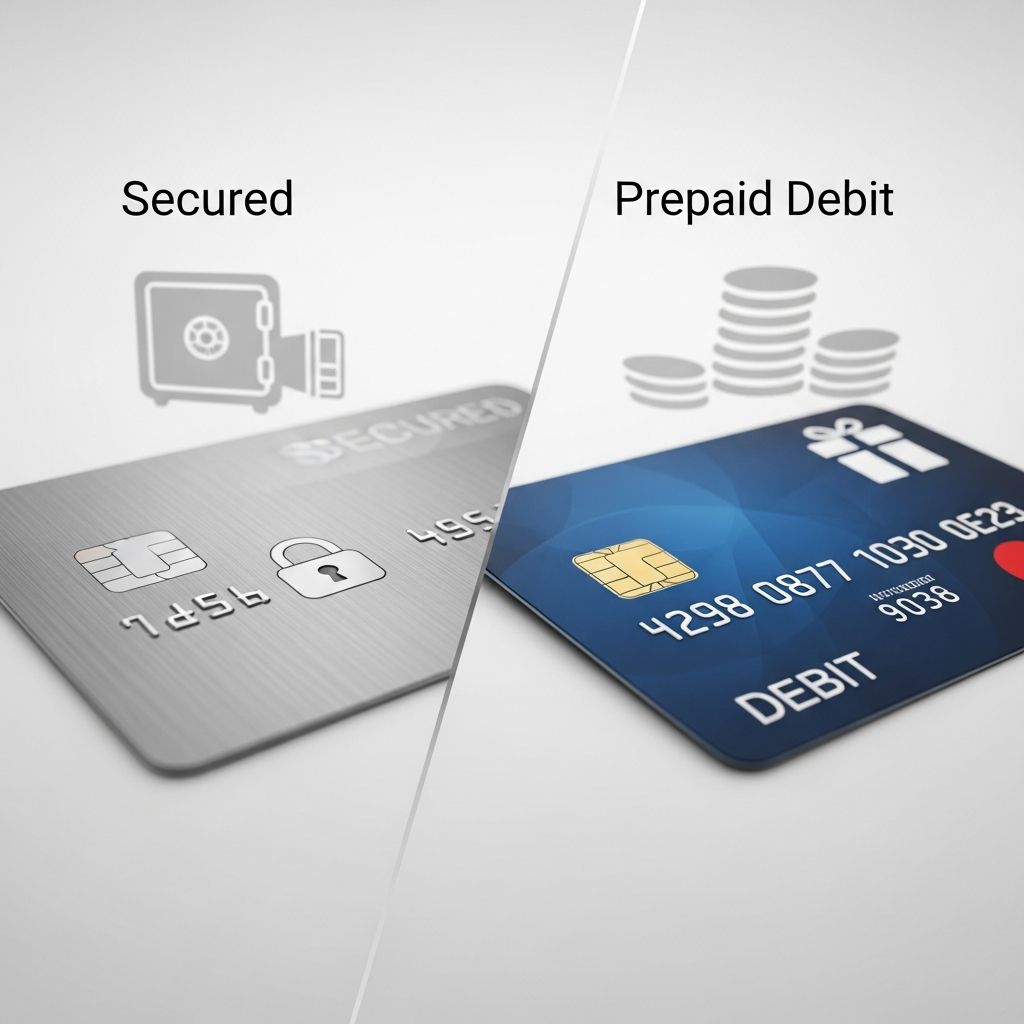
Navigating financial tools like secured credit cards and prepaid cards can significantly impact your money management and credit health. Secured cards act as entry points to credit-building for those with limited or poor credit histories, requiring a refundable deposit that sets your spending limit. Prepaid cards, conversely, function like digital cash, where you load funds upfront for controlled spending without borrowing or credit checks. This guide breaks down their mechanics, benefits, drawbacks, and ideal scenarios to empower informed decisions.
Understanding Secured Credit Cards
Secured credit cards bridge the gap for individuals rebuilding credit. Issuers demand a security deposit, often ranging from $200 to $500, which typically equals your credit limit. This deposit serves as collateral, reducing the issuer’s risk. Unlike unsecured cards, approval often hinges less on your credit score and more on your ability to provide the deposit.
Functionally, they mirror traditional credit cards: you spend up to the limit, receive monthly statements, and make payments. Responsible use—paying on time and keeping utilization low—gets reported to major bureaus like Experian, Equifax, and TransUnion, fostering credit improvement. Some cards even offer rewards or path to unsecured upgrades after consistent good behavior.
- Deposit refund: Refundable upon account closure or upgrade, minus any unpaid balances.
- Credit reporting: Positive activity boosts scores; negative impacts hurt them.
- Fees: Possible annual fees, but many waive them; interest applies on unpaid balances.
Exploring Prepaid Cards in Depth
Prepaid cards provide a no-credit-check alternative for spending. You purchase or load the card with your own money via bank transfer, cash, or direct deposit, and spending is capped at the loaded balance. No borrowing occurs, so no debt risk or credit score influence.
These cards suit budgeting, gifting, or unbanked users avoiding overdrafts. They often carry major network logos (Visa, Mastercard), enabling wide acceptance. However, they lack credit-building potential since no lending is involved.
- Loading methods: Cash at retailers, ACH transfers, or paycheck direct deposit.
- No credit impact: Neither positive nor negative effects on credit files.
- Fees common: Activation, monthly maintenance, reloads, or inactivity charges can add up.
Core Distinctions: A Side-by-Side Analysis
While both offer card-based payments without perfect credit, their operations diverge sharply. The table below highlights pivotal contrasts based on industry standards.
| Feature | Secured Credit Cards | Prepaid Cards |
|---|---|---|
| Credit Check Required | Usually yes, but lenient | No |
| Upfront Requirement | Security deposit ($200+) | Preloaded funds + possible fees |
| Spending Limit | Credit line (often deposit-matched) | Loaded balance only |
| Monthly Payments | Required; builds credit | None; spend your money |
| Interest Charges | Yes, if balance carried (avoidable) | No |
| Credit Building | Yes, reports to bureaus | No |
| Fraud Liability | $0 with zero-liability policy | Up to $500 max, often $0 |
Financial Implications: Fees, Costs, and Savings
Cost structures vary, influencing long-term value. Secured cards may charge annual fees ($25–$50) or APRs (15–25%), but timely full payments sidestep interest. Prepaid cards often layer on multiple fees: $1–$5 per reload, $5–$10 monthly, or ATM withdrawals at $2–$3 each, eroding value for frequent users.
For example, a $300 secured deposit might yield a $300 limit with no annual fee, convertible to savings later. A prepaid card loaded with $300 could incur $9.95 activation plus $4.95 monthly, totaling $50+ yearly fees without refunds.
Security and Fraud Safeguards
Both provide chip technology and network protections, but details differ. Secured cards follow credit card rules: zero liability for unauthorized charges if promptly reported, with 90-day dispute windows. Prepaid cards align with debit regulations—$0 liability if reported before misuse, up to $500 otherwise, resolved in 10 days.
Verify issuer zero-liability policies. Major networks extend strong safeguards to both, but prepaid may offer less dispute leverage since funds are yours.
Building Credit: Why Secured Cards Excel
Credit-building is secured cards’ hallmark. On-time payments (35% of FICO score) and low utilization (30%) elevate scores over months. Prepaid cards, as non-credit products, report nothing.
Success tip: Charge 10–30% of limit monthly, pay fully before statements close. Graduates from secured cards often secure better rates on loans or rentals.
Budgeting and Control: Prepaid Advantages
Prepaid cards enforce discipline—no overspending possible. Ideal for teens, travel, or curbing impulse buys. Track via apps, set alerts for low balances.
Drawbacks include fee proliferation; opt for low/no-fee options with free reloads.
Who Should Choose Which Card?
| Profile | Best Choice | Reason |
|---|---|---|
| Needs to build/repair credit | Secured | Reports activity to bureaus |
| Strict spending control | Prepaid | Spend only loaded funds |
| No bank account | Prepaid | Cash-loadable anywhere |
| Teen or gift user | Prepaid | No credit risk |
| Path to better cards | Secured | Upgrade potential |
Steps to Get Started with Secured Cards
- Check credit reports for errors via AnnualCreditReport.com.
- Select issuers reporting to all bureaus (e.g., Discover it Secured).
- Fund deposit from savings; shop low-fee options.
- Use lightly, pay on time; monitor progress after 6 months.
- Apply for unsecured upgrade when eligible.
Selecting the Right Prepaid Card
- Prioritize no monthly fees, free reloads.
- Ensure Visa/Mastercard for acceptance.
- Check direct deposit for fee waivers.
- Avoid high ATM or purchase surcharges.
Frequently Asked Questions
Can prepaid cards build credit?
No, they do not involve borrowing, so no bureau reporting occurs.
Is the secured deposit at risk?
It’s refundable if account closes in good standing; offsets defaults otherwise.
Do both have rewards?
Secured: Sometimes cashback/points. Prepaid: Rare, focus on low fees.
How long to build credit with secured?
3–6 months of responsible use shows gains; 12+ for substantial improvement.
Are prepaid cards safer than cash?
Yes, with fraud protections and replaceability if lost.
Final Thoughts on Choosing Wisely
Align your pick with goals: credit growth favors secured; spending limits suit prepaid. Research issuers, read terms, and track usage for optimal results. Both democratize access but demand fiscal responsibility.
References
- Secured credit card vs. prepaid card — Capital One. 2023. https://www.capitalone.com/learn-grow/money-management/secured-prepaid-card/
- Prepaid vs Secured Credit Cards: Similarities and Differences — SoFi. 2024-01-15. https://www.sofi.com/learn/content/secured-vs-prepaid-credit-cards/
- Secured Credit Cards vs. Prepaid Debit Cards — Freedom Debt Relief. 2023-05-10. https://www.freedomdebtrelief.com/learn/personal-finance/secured-credit-cards-vs-prepaid-debit-cards/
- Prepaid Debit Card vs. Secured Credit Card — Citi. 2024. https://www.citi.com/credit-cards/understanding-credit-cards/prepaid-card-vs-secured-credit-card
- What’s the Difference Between Prepaid Debit Cards and Secured Credit Cards — NerdWallet. 2024-02-20. https://www.nerdwallet.com/credit-cards/learn/prepaid-debit-cards-secured-credit-cards-difference
- Secured vs. Prepaid Cards: What’s the Difference? — Experian. 2023-11-08. https://www.experian.com/blogs/ask-experian/secured-card-vs-prepaid-card/
Similar Articles








Read full bio of Sneha Tete