Secured Loans for Credit Building: Smart Move?
Explore if secured loans truly boost your credit score without the hidden risks of collateral loss and high stakes.

Secured loans offer a pathway to improve credit scores by demonstrating reliable repayment, but they come with the significant risk of losing valuable assets if payments falter. This guide examines their role in credit development, compares alternatives, and provides practical advice for informed decisions.
Understanding Secured Loans and Their Credit Impact
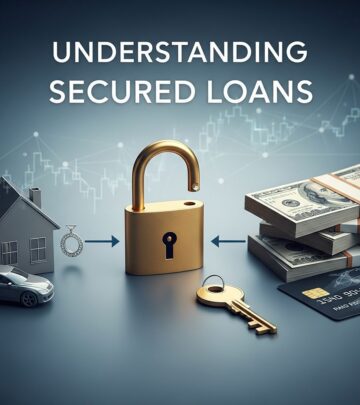
Secured loans require borrowers to pledge an asset, such as a home, car, or savings account, as collateral. This setup reduces lender risk, often resulting in lower interest rates and higher approval odds, even for those with limited credit history.
Positive payment history from these loans can substantially enhance credit profiles. Payment history constitutes 35% of FICO scores, the dominant credit scoring model. Consistent on-time payments build a strong track record that persists for up to 10 years on credit reports.
However, the collateral introduces peril. Defaulting triggers asset forfeiture, compounding financial distress with credit damage lasting seven years from negative events like late payments.
Key Advantages of Secured Loans for Credit Growth
- Accessibility: Lenders prioritize current affordability over past credit issues, making approval feasible for subprime borrowers.
- Larger Amounts: Borrowing limits often exceed unsecured options, capped around $25,000, potentially reaching six or seven figures based on collateral value.
- Lower Costs: Interest rates are typically below those of unsecured loans or credit cards due to reduced lender exposure.
- Credit Profile Boost: Timely repayments signal financial responsibility, improving scores and potentially lowering future borrowing costs.
These benefits shine for individuals needing funds for major purchases while simultaneously fortifying credit. For instance, using loan proceeds to consolidate high-interest debts can optimize credit utilization, another key scoring factor.
Critical Risks and Drawbacks to Consider
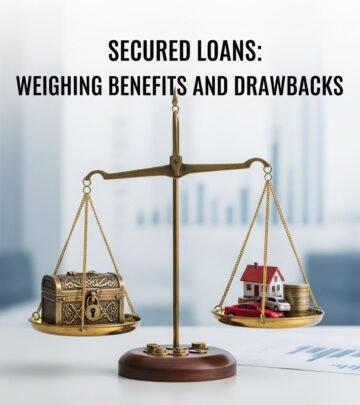
While appealing, secured loans demand caution. The primary hazard is collateral loss—your home or vehicle could be repossessed upon sustained delinquency, leading to severe financial and emotional strain.
| Aspect | Secured Loans | Unsecured Loans |
|---|---|---|
| Risk to Assets | High (collateral at stake) | Low (no collateral) |
| Interest Rates | Lower | Higher |
| Approval Odds | Higher for poor credit | Strict credit checks |
| Borrowing Limit | Higher | Lower |
Missed payments not only jeopardize assets but also inflict lasting credit harm. Lenders conduct rigorous affordability assessments, yet borrowers must self-evaluate to avoid overextension.
Secured loans suit those with genuine funding needs, not just credit-building pursuits. Without a clear purpose, the risks outweigh rewards.
Credit-Builder Loans: A Tailored Alternative
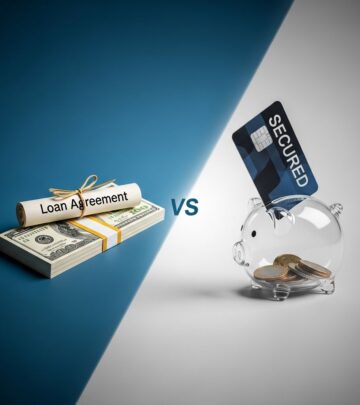
Credit-builder loans invert traditional lending: funds are held in a locked savings account while you make fixed payments. Upon completion, you receive the money, often with accrued interest, fostering savings alongside credit gains.
These products target credit novices or rebuilders, reporting payments to major bureaus (Experian, Equifax, TransUnion). Benefits include minimal debt accumulation risk and enforced saving habits.
- Low entry barriers, accessible with poor or no credit.
- Fees are typically modest, avoiding revolving debt pitfalls.
- Builds payment history without immediate fund access temptation.
Drawbacks involve delayed access to principal and potential administrative fees, but overall risk remains low compared to standard secured loans.
Secured Credit Cards: Flexible Credit-Building Tool
Secured credit cards require a refundable deposit setting the credit limit, blending loan-like security with revolving credit utility. They suit everyday expense management while reporting activity to bureaus.
Advantages encompass immediate usability and credit mix diversification, positively influencing scores. Deposits start low, around a few hundred dollars.
| Feature | Credit-Builder Loan | Secured Credit Card |
|---|---|---|
| Fund Access | Delayed (post-repayment) | Immediate (up to deposit) |
| Debt Risk | Low (fixed payments) | Higher (revolving balance) |
| Fees | One-time possible | Interest, late fees likely |
| Best For | Savings + credit build | Expense management |
Cards demand disciplined use to evade interest and fees, which can erode gains if balances linger.
Strategic Steps Before Pursuing a Secured Loan
Evaluate necessity: Does the loan fund essential goals like debt consolidation or asset purchase? Pure credit-building favors lower-risk options.
Budget rigorously using tools like the 50/30/20 rule (50% needs, 30% wants, 20% savings/debt). Confirm payments fit comfortably.
- Check credit reports for errors via AnnualCreditReport.com.
- Calculate total costs with online loan simulators.
- Compare rates from credit unions, banks, and online lenders.
- Select lenders reporting to all three bureaus.
- Automate payments to ensure timeliness.
For minimal risk, opt for share-secured loans from credit unions, where loan equals deposited funds, virtually guaranteeing repayment capacity.
Long-Term Credit Improvement Beyond Loans
Combine secured products with habits like keeping utilization under 30%, diverse credit types, and avoiding new inquiries. Patience yields compounding score improvements, unlocking better rates on mortgages, auto loans, and insurance.
Improved credit translates to tangible savings: lower premiums, higher loan approvals, and rental ease.
Frequently Asked Questions
Can secured loans improve credit with bad history?
Yes, if repayments are on-time, as lenders focus on affordability over past issues.
How long do positive loan effects last?
Up to 10 years on credit reports.
Are credit-builder loans better than secured cards?
Depends on needs: loans for savings, cards for spending flexibility.
What if I default on a secured loan?
Asset repossession and seven-year credit damage occur.
Do all lenders report to credit bureaus?
Not always; verify before applying.
Secured loans can propel credit forward when aligned with financial capacity and purpose, but alternatives often provide safer paths. Prioritize options matching your risk tolerance and goals for sustainable progress.
References
- Should I Get a Secured Loan to Build My Credit? — Experian. 2023-10-01. https://www.experian.com/blogs/ask-experian/should-i-get-a-secured-loan-to-build-my-credit/
- The Advantages and Disadvantages of Secured Loans — ABC Finance. 2024-05-15. https://abcfinance.co.uk/secured-loans/advantages-and-disadvantages-of-secured-loans/
- Credit Builder Loan vs Secured Credit Card: Which Is Better for You? — SoFi. 2024-08-20. https://www.sofi.com/learn/content/credit-builder-loan-vs-secured-credit-card/
- Build Credit with Shared Secured Loans — White River Credit Union. 2023-11-10. https://whiterivercu.com/news/the-benefits-and-pitfalls-of-shared-secured-loans/
- The Pros And Cons Of Credit-Builder Loans — Bankrate. 2024-02-28. https://www.bankrate.com/loans/personal-loans/pros-and-cons-of-credit-builder-loans/
- An Overview of Credit-Building Products — Federal Reserve. 2024-12-06. https://www.federalreserve.gov/econres/notes/feds-notes/an-overview-of-credit-building-products-20241206.html
Similar Articles








Read full bio of medha deb