Secured Loans: Understanding Collateral-Based Borrowing
Learn how secured loans work, compare with unsecured options, and discover when collateral-based borrowing makes financial sense.

What Is a Secured Loan?
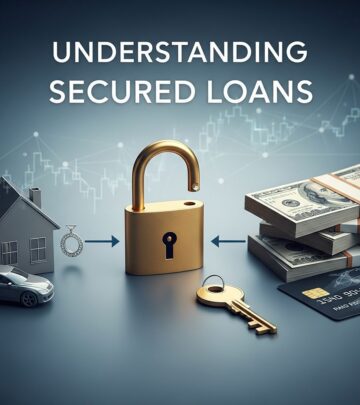
A secured loan is a type of debt instrument where a borrower pledges an asset as collateral to secure the loan. This collateral serves as a guarantee to the lender that if the borrower fails to repay the loan, the lender can seize and sell the asset to recover their investment. The presence of collateral fundamentally changes the lending relationship, making it less risky for the lender and typically more affordable for the borrower through reduced interest rates and more flexible terms.
Secured loans have been used for centuries as a fundamental lending mechanism, allowing individuals and businesses to access capital by leveraging their existing assets. The collateral can be virtually any valuable asset, though lenders typically prefer liquid assets that can be quickly sold if necessary. Common forms of collateral include real estate, vehicles, savings accounts, investment portfolios, and other high-value items with verifiable market value.
How Secured Loans Work
The mechanics of a secured loan involve several key steps that distinguish it from other lending products. Understanding this process helps borrowers make informed decisions about whether this type of financing suits their needs.
The Basic Process
- Loan Application: The borrower applies for a secured loan and indicates what asset they’re willing to use as collateral.
- Asset Valuation: The lender assesses and appraises the collateral to determine its current market value, which typically establishes the maximum loan amount available.
- Loan Approval: Based on creditworthiness and collateral value, the lender approves the loan with specific terms and conditions.
- Collateral Security Interest: The lender files a lien or security interest against the collateral, giving them legal claim to the asset if the borrower defaults.
- Fund Disbursement: Once all paperwork is complete, the lender disburses the loan funds to the borrower.
- Repayment: The borrower makes regular monthly payments according to the agreed-upon schedule.
- Lien Release: Upon full repayment, the lender removes the security interest from the collateral.
Secured vs. Unsecured Loans: Key Differences
Understanding the distinctions between secured and unsecured loans is crucial for borrowers comparing their financing options. These two lending categories operate under fundamentally different risk frameworks.
| Feature | Secured Loans | Unsecured Loans |
|---|---|---|
| Collateral Required | Yes, mandatory | No, not required |
| Interest Rates | Lower (typically 5-10%) | Higher (typically 10-36%) |
| Loan Amounts | Generally higher | Typically lower |
| Approval Timeline | Longer (asset appraisal needed) | Faster (credit-based only) |
| Risk to Borrower | Higher (asset seizure risk) | Lower (no asset at risk) |
| Credit Requirements | Less strict | More stringent |
Common Types of Secured Loans
Several established categories of secured loans serve different borrowing purposes and utilize various types of collateral.
Home Equity Loans
Home equity loans allow homeowners to borrow against the equity they’ve built in their property. These loans typically offer favorable interest rates because real estate is considered stable collateral. Borrowers can access substantial loan amounts, making home equity loans suitable for major expenses like home renovations, debt consolidation, or educational costs.
Auto Loans
Auto loans are secured by the vehicle being purchased. The lender holds a lien on the car until the loan is paid off. Auto loans are among the most common secured loans because vehicles are valuable, depreciating assets that lenders can easily repossess and resell if necessary.
Secured Personal Loans
These loans are backed by personal assets such as savings accounts, vehicles, or investment accounts. Borrowers who lack strong credit histories often use secured personal loans as an alternative to unsecured options, offering collateral to offset lending risk.
Secured Credit Cards
Secured credit cards require a cash deposit as collateral, typically equal to the credit limit. These cards help individuals build or rebuild credit history while reducing the card issuer’s risk exposure.
Benefits of Secured Loans
Secured loans offer several distinct advantages that make them attractive to many borrowers, particularly those with credit challenges or significant borrowing needs.
Lower Interest Rates
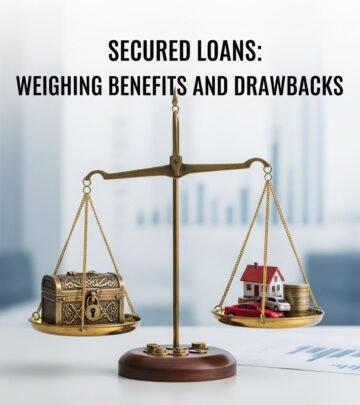
The most significant benefit of secured loans is their lower interest rates. Because lenders have collateral backing the loan, they face reduced financial risk. This decreased risk translates directly to more competitive rates for borrowers, potentially saving thousands of dollars over the life of the loan compared to unsecured alternatives.
Higher Loan Amounts
Lenders are typically willing to extend larger loan amounts for secured loans because the collateral provides repayment security. Borrowers needing substantial funds may find secured loans the only viable option for their specific financial needs.
Easier Credit Approval
Individuals with poor credit scores or limited credit history often qualify more easily for secured loans. Lenders focus more on the collateral value than credit reports, making these loans accessible to borrowers who might otherwise be denied traditional financing.
Flexible Terms
Secured loans often come with more flexible repayment terms, allowing borrowers to negotiate longer payoff periods or other conditions that work with their financial situation.
Risks and Disadvantages of Secured Loans
While secured loans offer benefits, they also present notable risks that borrowers must carefully consider before proceeding.
Asset Seizure Risk
The most critical risk is that the lender can seize and sell the collateral if the borrower defaults. For example, defaulting on a car loan means losing the vehicle, while defaulting on a home equity loan could result in foreclosure and losing your home.
Reduced Personal Asset Protection
Using personal assets as collateral means those assets are no longer entirely under your control. The lender has a legal claim against the collateral and can take action if loan terms are violated.
Longer Approval Process
Secured loans require asset appraisal and title verification, which extends the approval timeline compared to unsecured loans that rely solely on credit checks.
Potential Underwater Loans
If the collateral depreciates faster than the loan balance decreases, borrowers may owe more than the asset is worth. This “underwater” situation is particularly common with auto loans on depreciating vehicles.
Qualifying for a Secured Loan
Securing a secured loan requires meeting certain criteria and providing proper documentation to establish both your creditworthiness and your collateral’s legitimacy.
Essential Requirements
- Collateral with Verified Value: The asset must be appraised and have documented market value acceptable to the lender.
- Proof of Ownership: You must provide clear title or ownership documentation showing you legally own the collateral.
- Income Verification: Lenders want evidence that you have sufficient income to make regular loan payments.
- Acceptable Debt-to-Income Ratio: Most lenders prefer your total debt payments to represent no more than 43% of gross monthly income.
- Basic Credit Qualifications: While less stringent than unsecured loans, lenders still perform credit checks and may require minimum credit scores.
- Identification and Legal Status: Valid identification and proof of legal residency or citizenship in the lending jurisdiction.
Interest Rates and Terms
Secured loan interest rates vary based on multiple factors that lenders evaluate during the application process. Understanding these determinants helps borrowers shop effectively for competitive offers.
Factors Affecting Interest Rates
- Loan-to-value ratio of the collateral
- Current credit score and credit history
- Length of the repayment term
- Type and condition of collateral
- Current market interest rate environment
- Lender’s risk assessment methodology
- Borrower’s employment stability and income
Alternatives to Secured Loans
Borrowers should evaluate alternatives before committing assets as collateral, as other financing options may better suit specific circumstances.
Unsecured Personal Loans
These loans don’t require collateral but typically have higher interest rates. They’re suitable for borrowers with good credit who prefer not to risk personal assets.
Lines of Credit
Flexible credit lines allow borrowers to draw funds as needed up to an approved limit, paying interest only on amounts used.
Credit Cards
For smaller amounts, credit cards offer revolving credit without collateral, though interest rates can be substantial if balances aren’t paid in full monthly.
Peer-to-Peer Lending
Alternative lending platforms connect borrowers with investors, sometimes offering better terms than traditional banks, particularly for those with credit challenges.
How to Get the Best Secured Loan
Obtaining favorable secured loan terms requires strategic preparation and informed comparison shopping. Following these steps helps borrowers secure the best possible deal.
Steps to Maximize Your Advantage
- Improve Your Credit: Even with collateral, a better credit score can help you secure lower interest rates. Take time to address credit issues before applying.
- Choose Valuable Collateral: Assets with stable or appreciating value, like real estate, provide better loan terms than deprecating assets like vehicles.
- Increase Your Down Payment: Larger down payments reduce the loan-to-value ratio, improving your rate and approval odds.
- Compare Multiple Lenders: Banks, credit unions, and online lenders offer different rates. Get quotes from at least three sources.
- Check Your Loan-to-Value Ratio: Aim for a lower LTV by ensuring the collateral value significantly exceeds the loan amount requested.
- Negotiate Terms: Don’t accept the first offer. Many lenders are willing to negotiate rates and terms to win your business.
- Consider Co-signers: Adding a creditworthy co-signer can improve your application and interest rate.
Frequently Asked Questions (FAQs)
Q: What happens if I can’t repay a secured loan?
A: If you default on a secured loan, the lender can seize the collateral and sell it to recover their losses. This process, called repossession or foreclosure depending on the asset type, can have long-term negative impacts on your credit and financial stability. Some lenders may work with borrowers on loan modification or payment plans before resorting to collateral seizure.
Q: Can I use multiple assets as collateral?
A: Yes, many lenders accept multiple assets as collateral for a single loan. This can increase your borrowing amount and potentially improve your interest rate. However, using multiple assets increases your risk exposure, as the lender can seize any pledged collateral in case of default.
Q: How is my collateral valued?
A: Collateral valuation depends on the asset type. Real estate is typically appraised by professional appraisers. Vehicles are valued using resources like Kelley Blue Book. Savings and investment accounts are valued at their current account balance. The lender may use market comparisons, condition assessments, and current demand to establish fair market value.
Q: What’s the difference between a secured loan and a mortgage?
A: A mortgage is a specific type of secured loan where real estate is the collateral. Mortgages typically have longer terms (15-30 years) and larger loan amounts compared to general secured loans. Home equity loans and lines of credit are also real estate-backed secured loans but typically used for purposes other than purchasing the property itself.
Q: How long does it take to get approved for a secured loan?
A: Secured loan approval timelines vary by lender and complexity. Traditional banks may take 5-10 business days after all documentation is submitted. Online lenders may offer faster approval, sometimes within 24 hours, though funding can take several additional business days. The collateral appraisal process typically adds 3-7 days to the timeline.
Q: Can I pay off a secured loan early without penalties?
A: Many secured loans allow early repayment without prepayment penalties, but some lenders charge fees to compensate for lost interest revenue. Always review your loan agreement to understand prepayment policies. Paying off early can save significant interest and help you build positive credit history.
Q: What credit score do I need for a secured loan?
A: Secured loans are more accessible to borrowers with lower credit scores because collateral reduces lender risk. However, credit score requirements vary by lender. Some accept credit scores as low as 500-550, while others prefer scores above 650. Even with lower scores, you may qualify with acceptable collateral and stable income.
References
- Consumer Financial Protection Bureau — Secured vs. Unsecured Debt — Consumer Financial Protection Bureau (CFPB). 2024. https://www.consumerfinance.gov/ask-cfpb/what-difference-between-secured-and-unsecured-debt-en-1
- Federal Reserve — Household Debt Trends and Consumer Finance — Board of Governors of the Federal Reserve System. 2024. https://www.federalreserve.gov/releases/g19/current/
- Office of the Comptroller of the Currency — Lending Regulations and Practices — U.S. Department of the Treasury, Office of the Comptroller of the Currency. 2024. https://www.occ.treas.gov/
- National Credit Union Administration — Secured Credit Guidance — NCUA. 2024. https://www.ncua.gov/regulation-supervision/letters-credit-unions/guidance
- Truth in Lending Act (TILA) Regulations — Federal Trade Commission (FTC). 2024. https://www.ftc.gov/business-guidance/resources/truth-lending-act
- Equifax — Understanding Secured Loans and Credit Building — Equifax Inc. 2024. https://www.equifax.com/credit-reports-and-scores/
Similar Articles








Read full bio of medha deb